.png)

Latest from BriberyMatters
Many anti-corruption conversations at BriberyMatters focus either on corporate compliance or the quality of countries’ public sector institutions. Less examined are the social determinants, individual behaviors and economic incentives behind corruption. What motivates an official to demand, or a citizen or firm to pay, a bribe? To answer those questions, could we treat anti-corruption like a social science experiment, testing a hypothesis against empirical evidence? If given an opportunity in the future, could such an approach allow us to rebuild better anti-corruption programs within the international development sector?
To explore these ideas, I spoke recently with Christopher Yenkey, Associate Professor in the Sonoco International Business Department at the University of South Carolina Darla Moore School of Business, and a core faculty member of the university’s Rule of Law Collaborative. Yenkey is an economic sociologist concentrating on organizational theory, market formation in developing countries, corruption, corporate wrongdoing and social distrust, among other topics. In Yenkey’s view, the field has no lack of theories about why corruption happens, accompanied by accepted wisdom about how to design and implement anti-corruption programs. He argues that anti-corruption research needs rigorous field testing of known anti-corruption strategies, akin to the randomized field trials that support public health efforts. “Corruption is a social disease,” he explained, “so we should have a stronger focus on testing social cures.
Yenkey’s interest in this topic arose from his graduate study of nascent stock exchanges in Africa, in particular how to create an exchange in a context of low transparency and thin information. “Everyone he met," he told me, “was reading Douglass North, and understood the importance of sound institutions.” When a major fraud scandal erupted during his fieldwork at the Nairobi Securities Exchange, he studied the social factors that explained fraud victimization. The results showed a surprising pattern: clients of the same ethnic group as the corrupt stockbroker were more, not less, likely to be victimized, because these clients assumed the broker with whom they shared an ethnicity was trustworthy, and thus did less due diligence. That work led Yenkey to the study of corruption itself, including empirical analyses of when and why average citizens say no to petty bribery, when they take part, and what leads them to determine that participating is in their interests.
Yenkey sees the behavioral roots of corruption in concerns about status and dignity, as much as about money. As a result, he thinks that people can be reoriented to think differently about the public good, and thus to self-regulate as an anti-corruption strategy. However, he cautions, making that change is easier said than done.
For example, he described a recently-published paper (behind paywall) he co-authored showing that Kenyan citizens are willing to pay petty bribes that help them navigate a personal dilemma, such as getting out of a (deserved) speeding ticket, or getting a new job after being fired for poor performance. Yet at the same time, those same respondents conceded that such “self-interested” bribes are damaging to the public good – just as damaging as a bribe paid to an abusive official who demands payment for a required service. In fact, respondents reported being more likely to feel shame or embarrassment when paying such “self-interested” bribes, which means those payments are more likely to remain secret. The study also found a surprising “preaching to the choir” effect in common anti-corruption messaging: warnings that participating in corruption will harm others in society is primarily effective on those who already strive to avoid participating in bribery. This tendency thus leaves the most problematic participants in bribery unchanged.
As noted, Yenkey would like to see future anti-corruption efforts treated like vaccine trials: rather than rely on theory, the anti-corruption community needs to design interventions, test them, and collect evidence. As an example of what he has in mind, Yenkey is looking to launch an analysis of what will happen when there is an end to the war in Ukraine, once reconstruction money begins to flood in. He would like to research the motives and behaviors of the country’s procurement officers now, so that effective interventions are ready before the money arrives. As he put it, the incentive to extract is always there; the aim should be to determine what will reliably hold that incentive in check, and test and evaluate responses, and implement the needed interventions.

Examining the Social and Individual Determinants of Corruption
On April 12, 2026, Hungarian voters ended sixteen years of Fidesz party rule in a landslide. Péter Magyar's Tisza party swept in with the largest mandate any party has received in Hungary's democratic history, and while economic stagnation and inflation drove much of the vote, corruption fatigue ran through it. Polling in the lead-up to the election consistently pointed to public frustration with graft as one of the forces pulling support away from Viktor Orbán, a leader whose government had, by the European Parliament's own description, turned Hungary into a "hybrid regime" where elections continued but democratic norms and state institutions were undermined.
In advance of the first TRACE event in Hungary – in Budapest on November 18 – this three-part series examines the EU country that now strives to move from entrenched, systemic corruption toward international anticorruption standards. Part One explains how widespread corruption was made possible and largely kept hidden. Part Two will explain the costs to Hungary of corruption during the Orbán regime, particularly for education and health care. Part Three will look at the solutions for combatting corruption and for recovery of stolen assets.
Systematic Corruption under Orbán
Hungary ranked as the most corrupt country in the EU during the last 4 years of the 16-year Orbán Administration, during which systemic corruption cost the Hungarian state as much as €150 billion, according to Ferenc Bíró, head of Hungary's Integrity Authority. Only since 2021 has the annual GDP of Hungary substantially exceeded €150 billion.
Readers familiar with entrenched kleptocracies elsewhere will know that figure far exceeds the $4.5 billion stolen from the Malaysian state fund 1Malaysia Development Berhad (1MDB), or the $4 billion likely stolen from the state of Congo under former dictator Mobutu Sese Seko over his three decades in power.
The more instructive question is not how much was taken, but how the system was built to make taking it possible, and to make it difficult to notice.
Three Ways the System was Built to be Exploited
Three structural features of Hungary under Orbán, working together, created conditions where large-scale diversion of public assets could continue for years with minimal exposure.
The first was media capture. Over sixteen years, ownership of the press in Hungary was consolidated steadily into the hands of government allies, narrowing the space for independent investigative reporting that might otherwise have surfaced problems earlier. Only a few media firms, including Átlátszó and Direkt36, criticized the government by publishing evidence-based exposures of systemic corruption, cronyism, and state capture. They did so against a media landscape tilted heavily toward the government's narrative.
The second was public procurement rules that systematically favored a narrow set of bidders. Transparency International Hungary found that in 2024 alone, framework agreements worth HUF 3,219 billion (€8.25 billion) were concluded, and in more than two-thirds of those cases, the contracts were awarded in a manner that restricted competition to a single bidder.
The third, and most consequential for understanding where the largest sums went, was the use of opaque foundations and private equity structures to move public money outside the reach of ordinary public scrutiny. This is where the Hungarian National Bank's own foundations offer the clearest case study of how the mechanism worked in practice.
A Familiar Cast of Characters
These structural conditions produced a recurring pattern of cases, not a handful of isolated incidents. Among the most cited is the “Elios case,” involving EU-funded street lighting contracts awarded to a company co-owned by Orbán’s son-in-law, István Tiborcz. Investigators at the EU’s Anti-Fraud Office (OLAF) found evidence of collusion and inflated pricing, but Hungarian prosecutors ultimately declined to pursue charges. By the end of 2024, Transparency International Hungary found that the Hungarian state had funneled HUF 1,311 billion (roughly €3.36 billion) into private equity funds with little transparency or accountability, nearly half of it managed by just two firms: one owned by Tiborcz, the other by Lőrinc Mészáros, a childhood friend of Orbán’s who rose from gas fitter to one of Hungary’s wealthiest men.
The Bertelsmann Transformation Index reached a similar conclusion in its own assessment of the country, finding that “corruption and oligarchization distort market competition” in Hungary’s economy. These cases share a structure with the MNB scandal below: public money, routed through opaque private vehicles, benefiting a small circle with direct ties to the prime minister.
The MNB Foundations: A Case Study in Institutional Capture
In 2014, under then-governor György Matolcsy, the Hungarian National Bank established a set of foundations and transferred more than HUF 266 billion (€760 million) in central bank assets into them, later consolidated under a single entity: the Pallas Athéné Domus Meriti Foundation. Asset management passed to a company called Optima Befektetési, which then raised additional public funds from other state-linked bodies, eventually overseeing some HUF 500 billion (€1.42 billion).
What made this structure an effective means to hide the theft of state assets was its complexity. Hungary's State Audit Office reviewed the foundations' activities in 2018 and found no irregularities. It was not until years later, after the Audit Office received a formal complaint, that a fuller investigation began, and a leaked draft report told a very different story: investments channeled through a deliberately opaque, cross-border corporate network that made it nearly impossible to assess the real value of the assets involved, and transactions that appeared to benefit business interests connected to Matolcsy's own son. The Audit Office ultimately concluded the fund had suffered significant losses through what it described as poor investment decisions, made without meaningful oversight of Optima's activities until 2024, a full decade after the foundation was created.
Transparency International Hungary, in its most recent annual corruption report, called the MNB foundations scandal "the most striking example of the impunity of high-level corruption" in the country. Their assessment is direct: at least HUF 270 billion (€760 million) in public money was diverted through this structure. TI Hungary notes that the fate of a roughly equal amount (roughly HUF 270 billion) remains uncertain, and to date, no one has been held accountable.
Manipulation of state institutions undermined their ability to uncover corruption. Hungarian state auditors looked directly at these foundations in 2018 and either missed the theft of public assets or were not permitted to see it clearly. The mechanism was not hidden so much as it was built to be unreadable, layered deliberately across enough entities and jurisdictions that accountability became someone else's problem to establish.
What Comes Next
Hungarians are only now coming to understand the scale of the theft of state assets by senior officials of the Orbán administration, and how opaque structures like the MNB foundations made that possible without scrutiny for so many years. Efforts to locate and recover stolen assets have just begun by the new Magyar administration, but the negative impacts for the Hungarian people have already become apparent.
Erosion of the country's education and healthcare systems, which were centralized, restructured, and underfunded relative to its European peers over the 16-year Orbán administration, provides the starkest understanding of the impact of government corruption in Hungary. Part Two of this series will look at both those costs, and at what it will take to rebuild.
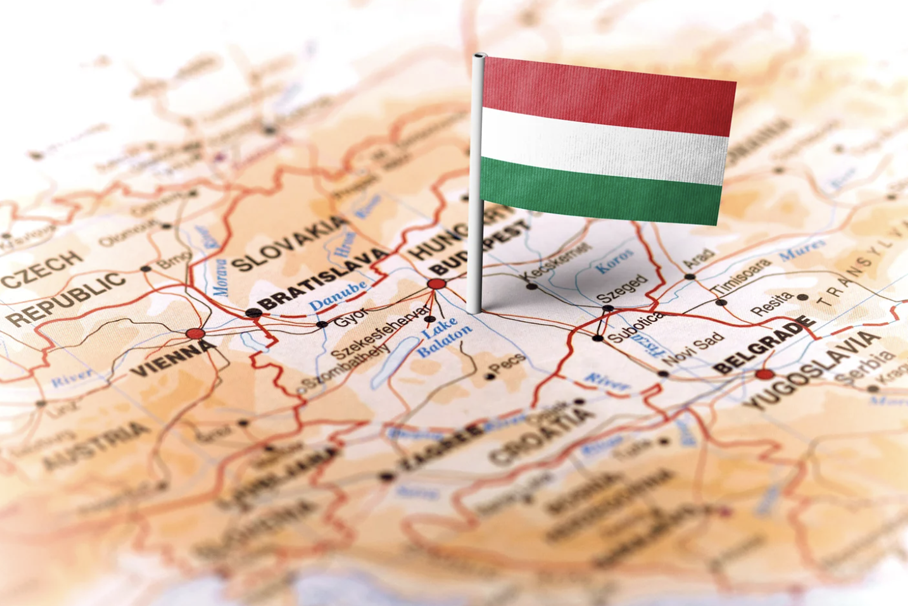
Hungary After Orbán, Part One: Why the System Was Vulnerable
Previously for BriberyMatters, I covered the first financial sanctions issued against a firm by the French Anti-Corruption Agency (AFA), in conversation with Valentina Lana, who teaches law at Sciences Po and is an in-house private sector ethics and compliance attorney. The same July week that decision was announced, the AFA also issued its 2025 Activity Report (in French), offering a broader look at its work. The release provided a useful jumping off point for a continued discussion with Lana, exploring what conclusions can be drawn from the report.
Lana characterized the AFA’s approach as increasingly robust, as expected for an agency entering a stage of maturity, following the December 2024 restructuring detailed in the report. The AFA created two “sub-directorates,” aimed, respectively, at countering corruption in the public sector, split into departments covering national and local government bodies, and in the economic sector, which encompasses both private firms and state-owned enterprises. The AFA’s control and advisory functions are distributed across those sub-directorates such that, Lana said, she hears from colleagues that the Agency is becoming more effective, sharing approaches and avoiding silos. She noted that the restructuring will advance the November 2025 National Multiannual Anti-Corruption Plan 2025-2029, setting out a whole-of-government approach to fighting corruption and closer coordination across ministries.
An element of the report that stood out was a near-tripling of whistleblower complaints submitted to the AFA, from 802 in 2024 to 2,257 in 2025. However, the report makes clear that only 11 percent of those were admissible for review. Lana told me that there is no connection here to any particular change in corruption levels, more attention to the issue of corruption in France or better data collection. Instead, she said, citizens are increasingly aware of the existence of these reporting channels (in the AFA as much as in other organizations, both public and private), and often use them to file complaints about issues that at times are not relevant to the Agency’s work or lack merit. Likewise, as the report lays out, much of the increase in recent convictions for integrity offenses are tied to the Urgo pharmaceutical case; though as explained here, that case did lead the AFA to institute stronger controls in the healthcare sector.
One sector-specific shift Lana highlighted is an increased focus on ports and airports as high-risk. As reflected in the report, the AFA was granted new powers following a June 2025 amendment to a new French law on narco-trafficking. Now all companies operating in critical activities in French port zones must have an anticorruption compliance program, whereas under Sapin II, all other firms have applicable staff size and turnover thresholds to introduce such a program. In this way, as she and I discussed, there are some parallels to the US pivoting FCPA enforcement to confront drug cartels and other transnational criminal organizations.
Another finding in the report I asked Lana about is the point that many French subsidiaries of foreign parent companies are importing their headquarters’ codes of conduct without adapting them for French realities. Here, Lana added an important nuance: such a practice is entirely legal. She told me that at one point, there had been a proposed "Sapin III" reform that would have required large French subsidiaries to maintain their own independent programs, but the provision did not survive the legislative process. Finally, I asked Lana about the report’s discussion of the AFA’s use of convention judiciaire d'intérêt public (CJIP) mechanism, the “judicial agreement in the public interest,” akin to a deferred prosecution agreement in the US. There were four new CJIPs in 2025. Notably, in April of this year, France’s National Assembly aimed to abolish the CJIP in a vote to amend the law on social and tax fraud, a decision that did not survive reconciliation with the Senate version.
Among the reasons for this effort, according to Lana, is that some deputies viewed certain CJIPs as too lenient or granting excessive protection to the firm in question, and some believe that a CJIP is just a “behind closed doors” deal. However, she told me, an independent judge has to sign off on CJIPs (the so-called homologation process) to ensure that both the procedure of reaching agreement and the fine are sufficient. Not only is the expense of a trial avoided, she said, but what a company might pay under a CJIP – 30 percent of its average revenue from the past three years – far exceeds what might result from a trial. Thus, echoing other voices (like Transparency International-France), Lana called the CJIP indispensable internally, to France's ability to fight corruption and externally, to coordinate cross-border cases with other jurisdictions.

Is the French Anti-Corruption Agency Stepping up its Enforcement Role? (Part 2)
Annual compliance training used to be conducted by sitting down at a desktop with a series of hour-long courses that you had to complete all in one sitting.
But through studies and research, we have found that this is actually an inefficient way to truly learn much of anything.
So, what is the solution? Making training like a classroom.
According to German psychologist Hermann Ebbinghaus, when studying something new to a learner, most of that information is lost within the first day of learning it.
Recall that in grade school lessons were taught in the classroom and then reinforced again with homework that evening. Often teachers would also use Mnemonic devices to help students remember details, like "Please Excuse My Dear Aunt Sally" to recall order of operations in math class, for example.
The same approach should be taken with compliance training.
Some suggestions for the best way to implement such an approach? Use a corporate compliance event, like the one available in the TRACE Compliance Event Toolkit, as a means to also complete compliance training.
Compliance should, ideally, be completed in short intervals, with spaced, repetitive reinforcement. By using a dedicated day (or two!) to speak to compliance, you can allow users to:
- Complete a short training
- Speak to colleagues about what they learned in an office-wide or department-wide discussion
- Discuss learning objectives by developing a Mnemonic device that the whole office can help create and vote on together, then display around the office space
- Complete activities in-person, or through conferencing calling applications to ensure maximum attendance
By working throughout the day to reinforce learning, with short breaks included, the entire office audience should be more focused, retaining more of what was taught, and ensuring higher overall completion by requiring each employee to participate.
So start thinking back to your classroom days, and get started!

Compliance Training Can Take a Page from Classroom Learning
The TRACE team hosts webinars for our membership community throughout the year, and this time of year is always a favorite of mine.
During the first months of the year, the team works with experts in the field of compliance throughout the world to reflect on the past year's anti-corruption enforcement actions, while predicting what could happen in the year ahead.
Each region brings different areas of focus and different expectations of individuals working for an organization. But one element that remained universal throughout each discussion, regardless of location, was compliance as a culture.
Yes, legal experts agree that a robust compliance program should include a thorough risk assessment, due diligence for external parties, policies and procedures, and training on those procedures. This is the bare minimum of what is expected from regulators and enforcement agencies.
Because all of this would be meaningless if leadership does not believe in a compliant workplace.
And regulators will notice. The SFO, for example, states "a key feature of any compliance programme is that it needs to be effective and not simply a 'paper exercise.'" The U.S. DOJ states in its Evaluation of Corporate Compliance Programs that "prosecutors are instructed to probe specifically whether a compliance program is a 'paper program' or one implemented, resourced, reviewed, and revised, as appropriate, in an effective manner." The French AFA has issued guidance on Article 17 of its Sapin II law, indicating that internal controls must be in place to "monitor the implementation of the measures of the anti-corruption system and test their effectiveness." French law even allows for regulators to audit companies regardless of whether they have not committed a crime, with the understanding that an effective compliance program should already be established.
The key takeaway that I left with when each of these webinars concluded: that no matter what area of the world your company operates, compliance must be embedded into how you do business to be effective. And this starts with leadership.
Leadership needs to set an example by allocating the proper resources for a compliance program, then evaluating the program and adjusting it as business needs change. Compliance teams should be established as a part of the culture of a workplace by:
- Having leadership complete training before others in an organization and then encouraging employees to complete training as they have
- Sending language to leadership for email blasts or compliance newsletters that leaders can contribute to on a regular basis
- Leaders knowing details about reporting mechanisms and promoting a culture of speaking up if someone suspects wrongdoing at the organization
- Investing in greater resources for regions of business that are especially high-risk to ensure controls are put in place
If leadership conveys that compliance is an important aspect of the business, that example will permeate throughout the organization.
And even though we cannot always predict the future of compliance enforcement, we can continue to promote best practices for compliant and ethical business.
Compliance as a Leadership Priority and Cultural Norm
Question: What are the best topics to discuss when training on compliance and governance as we see new enforcement actions and guidance on the FCPA?
Answer:
With the halt to the FCPA earlier this year, a lot of compliance teams reached out with questions on what compliance topics remain relevant and top-of-mind with shifting policies.
The shift in enforcement announced by the DOJ in June and the latest declination for FCPA violations announced in August conveyed that there are tried and true compliance topics that should continue to be enforced each and every year, throughout the year. And these should always be top-of-mind.
As we see from the declination against Liberty Mutual, and from nearly all FCPA enforcement throughout the years, third parties were involved in a bribery scheme to influence government-owned banks in India.
When the bribery was discovered, Liberty Mutual went to the DOJ to share the wrongdoing and take proactive steps to eradicate the issue.
These are two very important topics that any good compliance training program should cover: third party risk and speaking up against wrongdoing.
Third parties pose the biggest risk for organizations in that they often resort to corrupt practices in order to win business. Employees must understand the risks when working with an outside entity, and understand that this trickles all the way through an organization's supply chain. Important red flags to know and understand when working with third parties is always an evergreen training topic.
Going hand-in-hand with that very topic is speaking up. If an employee sees wrongdoing, or even suspects it, they must be trained on who to report to with their concerns, and how to report.
No matter the geopolitical situation, the organizational shifts, or the changes in government leadership, these two topics remain steadfast in compliance. While risks may evolve and change, these subjects have always been a part of the nature of doing business.
To ensure that your organization remains ethical and is practicing good governance, train early and often on third party risks and speaking up against unethical behavior!
New FCPA Enforcement, but the Same Training Concepts Remain.
Question: As summer approaches, and vacations keep people out of the office, how does compliance messaging stay top of mind?
Answer:
Summer is certainly the time of year when many take time for holidays and relaxation, but you can still be sure that compliance messages remain a "fun" summertime subject for those who are in the office or logging online.
Compliance training is not the only way to ensure that important messages about good governance are shared with colleagues. When thinking of summer, we think of time outdoors, perhaps the beach, fireworks, and ice cream.
Create innovative ways to generate interest in compliance topics by sharing infographics and details about enforcement actions relevant to the organization. Follow these emails/newsletters with activities like games or quizzes in which leaders and top scorers can win a small gift card to a local ice cream shop, or to get an iced coffee.
Utilize TRACE's compliance memes during weekly outreach with a compliance message and information on local summer events, like outdoor carnivals/street festivals, concerts, and more.
You can show that compliance is an "everyday" matter, that the compliance team is a team that is committed to everyone's well-being and that the door is always open for conversation.
Enjoy a compliant summer and find time for rest and relaxation!

Out of Office, Not Out of Mind: Summer Compliance Strategies
Question: What are the latest trends in eLearning for 2025? What is the “next big thing” in Learning?
Answer:
A great question! It is always important to re-evaluate your training goals and how to improve year to year, and to find out best practices and the latest trends BEFORE getting started is always ideal.
That said, the eLearning sphere is always evolving, so what may be a trend now, could easily become outdated or over done in a short timeframe. Therefore, I will stress that no matter the trends, the content needs to ALWAYS be accurate and reflect the necessary policies and ethical business practices, as well as risks to be aware of, in your organization.
You can review what those risk areas might be with this helpful mini guide from TRACE.
Within the world of eLearning, AI, or Artificial Intelligence, tools have quickly become a way to create efficiencies, but should be handled with caution. While AI can be a great way to help to develop content in seconds, it could also be sharing skewed or inaccurate data, so knowing how to prompt an AI tool, and fact-checking all of the content that is developed by the tool is even more important than utilizing that AI tool in itself.
Another trend that has recently become popular has been dubbed “TikTok” microlearning. Though the social media giant is under severe scrutiny, it has rapidly grown into one of the largest learning platforms over the past few years alone.
Gone are the more traditional methods of learning, and now with short video content, you are able to meet learners where they are, sharing with them only the knowledge they need in the moment.
By using the social media model for training, you can create video and microlearning content quickly and even take current content and break it apart. Alongside the use of “tags”, you are able to suggest other topics for your learners to view, based upon their other completed material. Learners will be more inclined to learn on their own with suggested content, rather than something that might be forced upon them.
An additional trend in eLearning is what is being seen as “active learning,” wherein learners are better able to retain information when interacting and engaging with others. If possible, allow your audience to interact during eLearning with a live forum to comment and connect, or even present content during a conference calling session so that people can share thoughts and questions while taking the course together.
With a few minor adjustments, including making content more bite-sized and structured around only one point at a time, and allowing for learners to engage with one another, you’re well on your way to staying “trendy” and keeping eLearning engaging for your company audience. Good luck and happy learning!

eLearning Trends for 2025: Emerging Trends and the Next Big Thing
Question: Every trend within the online learning space seems to mention AI, but how do you even know where to begin to use it?
Answer:
Every trend within the online learning space seems to mention AI, but how do you even know where to begin to use it?
New L&D technology that can make your content development team more efficient is always welcome, but Artificial Intelligence (AI) has presented an exception to this rule in a number of ways. While it can be beneficial, the main theme when determining whether to invest in any AI content development features is proceed with caution.
While many eLearning authoring tools now offer an AI option, you should consider the following before jumping in with both feet:
- Does your company have an AI policy in place? What does it state about the use of such technology?
- How will the AI store the information you share? Will your information remain secure and private?
- What is this tool learning from to provide you answers? Are those sources accurate and factual? Are they copyrighted from another source?
Once you receive approval from your data protection officer and your IT team to use an AI tool, you will also want to be sure that you understand how to properly prompt the AI. You should have your team invest in online courses about the tool so that your team can better prepare to use the tool to its fullest potential.
You should also know the risks involved in working with AI. Depending on how the tool is learning and how you are using the tool, it may develop biases/discriminatory practices, including against specific groups.
The Department of Justice recently released guidance on best practices when working with AI in a business setting, and how AI could effect human rights in both positive and negative ways.
While the shiny, new developments in AI may seem like the easiest way to get ahead in eLearning, it is best to take the necessary steps BEFORE even considering a tool. You will better prepare yourself and your training team for all possible eventualities.
Always be prepared to pivot if what you thought would work in AI may not yet be possible. Remember that with every new software, platform, and tool there is always a vetting process and learning curve. Good luck!

AI in eLearning: Where to Begin When You’re Not Sure Where to Start
Sometimes, there is just no honor amongst thieves.
While it is always risky to give or authorize bribes, that risk may sometimes manifest from unexpected sources.
For RTX (formerly Raytheon Technologies), which entered into agreements with the DOJ and SEC last week to resolve charges related to the FCPA and government procurement laws, it was someone they appear to have been working closely with.
RTX used a consulting firm to funnel about $1.9 million to payoffs to relatives of the country’s emir. Curiously, it was an owner of that very firm who brought the case to light – he filed a commercial lawsuit in 2019 for unpaid fees on a related matter, and made the corruption allegations in the process.
This may have caused the SEC to investigate. Indeed, many of the findings in the DOJ and SEC orders, including the conclusion that the consultant reports were actually written by Raytheon, reflect the allegations and documents attached to that lawsuit.
The owner is not the only middleman in the aerospace and defense industry who has tried to enforce dubious arrangements and, in the process, exposed more than he may have intended.
The French firm Thales, for instance, was sued by Sanjay Bhandari, a self-described “well-known commercial intermediary” who facilitated a meeting between the fighter jet maker and a senior Indian defense official. He was paid €9 million, but claimed to be owed €11 million more – and reportedly triggered an investigation by French authorities as a result. The case is still ongoing.
(For Thales, this may be starting to feel like Groundhog Day. They were a joint-venture partner with Raytheon in the Qatar deals.)
Similarly, around 2017, a middleman in Indonesia reportedly sued to enforce the sale of a helicopter to the Indonesian air force for €44 million. The helicopter was ostensibly for search and rescue operations, but was fitted with luxury appointments and lacked a side door that would facilitate the entry and exit of stretchers. The middleman was eventually sentenced to a 10-year prison term.
And in 2007, a third party threatened to sue German industrial service provider Ferrostaal for unpaid commissions in connection with submarine sales to Greece, even though that could expose both entities to corruption-related prosecution. Ferrostaal decided to pay the company EUR 11 million, leading its lawyers in a later compliance review to conclude that “the net effect was to ‘whitewash’ a highly irregular set of facts with clear compliance red flags.” The company was eventually caught anyway, and fined about $183 million by a Munich court near the end of 2011.
Perhaps it is not surprising that individuals connected to bribery and corruption would continue to make questionable decisions. The lesson for businesses should be clear – a leopard can’t change its spots.
Author’s note: The RTX case includes very unusual circumstances, such the involvement of some of the most prominent officials in Qatar, and resulted in more than $950 million in penalties and disgorgement, as well as a deferred prosecution agreement and the imposition of an independent monitor. While those circumstances are also noteworthy, the point above was highlighted for its relevance to most compliance programs. RTX refers to both the holding company and its subsidiary.

When the Bad Guys Spill the Beans (and You’re the One Who Trips)
At the recent TRACE Forum in Annapolis, I moderated a panel on the topic of compliance training – where to begin, who to involve, what works and what doesn’t. I’ve summarized below a few key takeaways from that discussion.
- Look for opportunities to partner: Create a network of content contributors comprised of department leaders across the organization. Can you borrow materials from a recent marketing promotion or sales demo? Can a pre-existing module be condensed into several micro learnings? Can you get a local site leader or well-recognized manager to record a short video? No need to reinvent the wheel each time.
- Meet people where they are: Training on the same topic year after year? Consider implementing a competency component that allows trainees to test out of material that should be familiar. Incorporate “experience” level training – more basic, broader training for those new to your organization and more condensed and targeted training for senior employees. Ensuring training relevance is key.
- Less lecture, more practical: Your trainees are more likely to retain information that is relevant and true to life. Whenever possible endeavour to keep your training concise and crisp. Incorporate both live and asynchronous components. Survey your target audience to learn more about specific risk areas and then highlight them in your course.
- Understand your organization’s culture and what it will support: To be most effective your training must be responsive to the needs of the business.
- Remember people learn in different ways: Although easier on the front end, a one-size-fits-all approach will ultimately lead to long term training gaps as discrete teachable moments fall through the cracks.

Compliance Training: The Magic Formula
At the end of March, I attended the now traditional OECD Global Anti-Corruption and Integrity Forum (GACIF) in Paris. More than 3000 people registered and a large number attended the meetings in person.
There were a few interesting trends:
- an increased and visible participation of the private sector
- a rebalance of the policy discussion towards the need to push for public sector integrity at least as much as business integrity
- an understanding that anticorruption compliance is to be seen in a more holistic way at company, national and international level
- a strong belief that AI will be a powerful tool for more effective compliance
Aside from these general trends, two other points caught my attention:
First, the admitted difficulty to assess the effectiveness of compliance programs beyond the use of purely quantitative indicators. In this respect several CCOs also pointed out the desirability to harmonise the expectations from public authorities.
Second, the absence of any open discussion on the persistence (or not) of an international consensus over the fight against corruption in light of an increasingly fragmented world. This was really the “Mammoth in the Room”!
In corridor discussions, there was a discernible concern on the political use of the fight against corruption, as well as on the difficulty to garner consensus in international bodies.

Anti-Corruption Global Trends: Reasons to Be Hopeful and Reasons to Worry
Question: How do FCPA cases typically come to light?
Answer:
The U.S. Department of Justice and Securities and Exchange Commission both use a number of methods to detect foreign bribery and related conduct for purposes of initiating FCPA investigations. Both agencies cast a very broad net and rely on a variety of sources to open new cases, including the following:
- Whistleblowers: Reports from whistleblowers remain a strong source of cases for both agencies, in large part due to the SEC’s whistleblower program, which offers a percentage of recovered penalties to individuals who report misconduct. The last few years have seen record numbers of whistleblower reports (18,000 in 2023) and the highest whistleblower reward in history ($279 million) to a single individual. Making recent headlines, the DOJ just announced that it will launch its own whistleblower rewards program in the coming months, which has the potential to make a significant impact on the number of foreign bribery investigations.
- Corporate Self-Reporting: DOJ also continues to leverage voluntary self-disclosures from companies in identifying FCPA violations. Over the last 12-18 months, DOJ has updated and refined its guidance on self-reporting focusing on providing additional incentives and expectations in this area.
- Law Enforcement Sources/Cooperators: DOJ also identifies potential new cases through law enforcement sources and by “flipping” cooperators who commit other crimes and offering the opportunity to cooperate and earn reduced prison sentences or better plea offers.
- Foreign Authorities: One of the biggest developments in recent years has been the uptick in foreign authority referrals that DOJ and other authorities receive. Long gone are the days when different countries investigated foreign bribery in isolation. Today, prosecutors from around the world regularly discuss their parallel investigations - whether it is exchanging evidence, coordinating resolutions, or providing tips and other referrals of misconduct to their overseas partners.
- News Reporting: U.S. authorities closely follow domestic and foreign press reports related to allegations of corruption, dawn raids abroad, and other publicly available information and investigative reporting leading to actionable intelligence and evidence of foreign bribery.
- Big Data: Finally, DOJ and SEC leadership have been outspoken recently on the use of data to identify criminal misconduct, including potential violations of the FCPA. To that end, DOJ has hired experts in data analytics and the use of “big data” to mine and search all available data sources to identify crimes and open new investigations.
Given the efforts by DOJ and SEC to identify conduct leading to the opening of new FCPA investigations, companies would be wise to continue focusing attention on developing and enhancing their compliance programs, in particular with respect to whistleblower policies and reporting channels.

How do FCPA Cases Typically Come to Light?
Self-disclosure. Cooperation. Remediation. Anyone who has planned for an FCPA-related investigation by U.S. agencies knows this mantra well. Current expectations on these issues are addressed in the DOJ’s updated Corporate Enforcement and Voluntary Self-Disclosure Policy (CEP). The CEP establishes incentives for companies that the DOJ determines meet these expectations. However, companies weighing self-disclosure still face questions regarding timing and quantum of benefits, including the following.
Are Aggravated Circumstances Present?
CEP incentives depend on whether “aggravating circumstances” are present. In such cases, disclosure must happen “immediately” upon awareness of alleged misconduct. Unfortunately, uncovering such circumstances often requires significant investigation that occurs too late to inform disclosure decisions.
How Long Does a Company Have?
The CEP encourages self-disclosure “at the earliest possible time, even when a company has not yet completed an internal investigation” and places the burden on companies to “demonstrate timeliness” under specific circumstances. Recent cases and public DOJ commentary provide some parameters.
DOJ personnel have suggested that “immediately” can be within “a matter of weeks.” The recent Lifecore declination states that disclosure occurred within three months from when the company first discovered potential misconduct "and hours after [the] internal investigation confirmed that misconduct had occurred.” The DOJ’s recent M&A Safe Harbor policy defines “timely” disclosure as 180 days after transaction closing.
A key consideration is whether a disclosure allows for preservation of key evidence. With this in mind, DOJ officials have stated that “while early reporting is best, self-reporting late is always better than never,” citing “concrete benefits” for a company that disclosed late but effectively.
Disclosures Transcend Borders
Most corruption cases today also involve authorities outside the U.S. That can lead to challenges not seen in U.S. investigations, such as dawn raids and data privacy restrictions on access to employee data, as well as different legal rules and expectations. Any disclosure decision should account for these issues.
Other Recent Factors
Recent developments such as the DOJ’s proposed whistleblower reward program, the agencies’ increasing use of data analytics to develop potential investigation leads, and self-reporting by competitors driving new industry sweeps will affect the disclosure calculus going forward.

Self-Reporting of FCPA Issues – Some Thoughts on Current Incentives and Expectations
On February 27, 2024, Mauricio Gomez Baez, a former Senior Vice President of international waste management company Stericycle, Inc., pleaded guilty to one count of conspiracy to violate the FCPA’s anti-bribery provisions.[1] Gomez Baez, a citizen of Mexico and resident of Miami, Florida, worked for the company’s Latin American headquarters in Miami.[2] From 2011 to 2016, Gomez Baez and others allegedly coordinated payments of roughly $10.5 million in bribes to government officials in Mexico, Brazil, and Argentina to obtain government contracts for medical waste collection, resulting in approximately $21.5 million in profits for the company. In each of these alleged schemes, Gomez Baez and others typically generated spreadsheets with false transactions and used code words to discuss the bribes. Under the terms of the Plea Agreement, Gomez Baez faces a term of imprisonment of up to five years, a supervised release term of up to three years, and a fine of up to $250,000, along with any additional forfeiture and restitution that the court orders. This criminal charge follows Stericycle’s April 2022 resolutions with the U.S. Department of Justice (DOJ) and U.S. Securities and Exchange Commission (SEC) for related conduct.
Stericycle, Inc.
The anti-corruption enforcement boom took off first in the United States, then globally. In mere decades, a remarkable international consensus emerged. The zeal for enforcement continues today and comes with copious advice from regulators on how to design a good anti-corruption program. A decent one can even serve as both operational and legal defense in the event a bad-apple employee is caught paying a bribe.
Your company almost certainly has a zero-tolerance anti-corruption policy. It’s likely that your international business partners are familiar with the US Foreign Corrupt Practices Act and similar internationally binding laws, and know they must sign agreements promising not to pay bribes if they wish to secure your business. Corporate anti-corruption programs have thus reached the kind of advanced state that climate change activists dream of. Yet corporate bribery scandals continue, and corruption as a societal challenge remains unresolved.
While compliance efforts against bribery are essential, they are insufficient to tackle the wider challenges of corruption. You need to consider whether your company’s goals and targets incentivize employees to operate unethically. Are internal reward systems addressed in your compliance framework? As for bribery, zero tolerance won’t help much in countries where corruption is so endemic that your staff cannot function without facing extortion or physical threats.
Ruling out payments and favors won’t reliably address nepotism, regulatory capture, and rising pressure over lobbying and campaign finance. Moreover, doing business in a kleptocracy doesn’t necessarily mean bribing the power brokers who control lucrative relationships; working with them is a condition of entering the market. In such a market, winning a contract guarantees nothing: shifting political winds can topple kleptocrats and lead to retaliation, even expropriation. So, if you ban bribes but don’t consider wider questions of power and political risk, it can all end very badly.
Tackling corruption risk effectively in a given country requires more than legal controls. It starts with gaining a practical understanding of how corruption affects your sector. Then you must build business and political relationships to make your company resilient in the face of ever-unpredictable dynamics. You’ll need to cultivate an organizational culture with incentives and rules that do not conflict, and your employees must be empowered and trusted to raise questions and use their judgment.

A Zero-Tolerance Policy Can Only Go So Far
Following four years of discussions and a few weeks of intense negotiations, the European Council approved, on Friday, 15 March, 2024, a new EU directive of corporate due diligence with respect to both human rights and the environment, known under the acronym of CSDDD (Corporate Sustainability Due Diligence Directive).
Once adopted by the European Parliament (likely in April) the Directive will introduce new obligations for thousands of EU companies based on the following phased implementation:
- 3 years after adoption for companies with more than 5,000 employees and € 1.5 billion in annual turnover,
- 4 years for companies with more than 3,000 employees and € 900 million in turnover,
- 5 years for companies with more than 1,000 employees and € 450 million in turnover.
Non-EU Companies with turnover of at least € 450 million generated in EU countries will also be covered by the Directive.
Due diligence requirements will apply to activities of a company’s upstream business partners related to the production of goods or the provision of services by the company, as well as to activities of a company’s downstream business partners related to the distribution, transportation, and storage of the product, but only where those activities are carried out for the company or on behalf of the company.
While the thresholds have been revised to cover fewer companies than originally proposed, the Directive’s impact will still be very important for companies also covered by the Corporate Sustainability Reporting Directive (CSRD) and beyond.
Beyond the technicalities, the Directive is sending a political message: “When in Europe, do as the Europeans do”.
Note: The due diligence process set out in this Directive covers the six steps defined by the Organisation for Economic Co-operation and Development’s (OECD) Due Diligence Guidance for Responsible Business Conduct: (1) integrating due diligence into policies and management systems, (2) identifying and assessing adverse human rights and environmental impacts, (3) preventing, ceasing or minimizing actual and potential adverse human rights and environmental impacts, (4) monitoring and assessing the effectiveness of measures, (5) communicating, (6) providing remediation.

A European Duty of Care
The global compliance community has a great appetite for substantive content and for a place where new cases, insights and best practices can be shared and discussed. As new professionals join this growing community, they also need a place where fundamentals are addressed alongside more arcane ideas.
Today we launch BriberyMatters.com.
We will post short pieces a few times per week addressing compliance tips, enforcement trends, and policy and legal updates. We’ll also include opinion pieces from experts in the field, colorful stories about corruption and thoughtful pieces addressing the impact of financial crime on business, people and communities.
This is an ambitious project and it came together very quickly, so please bear with us as we work out the early kinks. Please also reach out if you have a question that you’d like us to ask an expert. (You can do this anonymously if you so choose.) And, of course, we want to hear from you about your own compliance successes and challenges, whether down in the weeds or ‘big picture.’
We look forward to this conversation and hope that you’ll find it valuable and thought-provoking.
.png)
Today We Launch BriberyMatters.com
Quite recently, the EU legislative institutions (the EU Commission, the EU Council and the EU Parliament) agreed about extending the concept of the German Supply Chain Act (Lieferketten-Sorgfaltspflichten-Gesetz - “LkSG”) over the entire EU – and, hence, also the EEA.
Now, all companies seated in Germany and employing 1,000 associates have to undertake due diligence procedures and measures in regard to their entire supply chain. The threshold of 1,000 employees, however, does not apply vis-á-vis the direct or indirect suppliers. So, the implementation of measures to avoid human rights and environmental risks within the supply chain concerns all entities throughout the chain – and also very small companies in and outside Germany may have to comply.
The German supervisory authority for supply chains, the Federal Office for Economic Affairs and Export Control (Bundesamt für Wirtschaft und Ausfuhrkontrolle – “BAFA”) has now started its monitoring activities. The BAFA looks at webpages of relevant companies and checks their Grundsatzerklärung (basic declaration or supplier code) as well as the description and processes of the whistleblower hotline dedicated to supply chain matters. If they identify gaps or inconsistencies, the BAFA will address this towards the companies in question. Within the next months, the first compulsory reports will be handed over to the BAFA, which quite certainly will cause a rise of monitoring activities.
As the EU aims to avoid distortions of the EU market like a national supply chain law with effects on the EU economy, the EU decided to take over this topic and form its own supply chain standard: the EU Corporate Sustainability and Due Diligence Directive (“EU CS3D”). This new EU Directive will be most likely enacted in May 2024 before the elections for the new EU Parliament will start in June. An EU Directive will have to be implemented into the national laws of the EU Member States by their legislators. The transposition period will be two to five years (the major obligations to be enacted within two years). Only with effective transposition, the EU CS3D requirements will come into force. However, the German LkSG will continue to apply but will have to be adapted to the EU CS3D within the next two years.

The German Supply Chain Act (“LkSG”) becomes European!
With the U.S. Department of Justice’s recent emphasis on using data analytics to root out corrupt actors, it’s worth remembering that simple observation can sometimes be just as revealing.
Anti-corruption activist Aleksey Navalny was well aware of this, using Instagram and other public sources to reveal in 2015 that a watch worn by Russian President Vladimir Putin’s press secretary Dmitry Peskov was worth more than $600,000 – or four times the official’s declared annual income. Weeks later, Navalny and his team of investigators used photos, geotagging data, and ship tracking records to provide strong evidence that Peskov vacationed on a yacht that cost more than $380,000 to charter.
Perhaps the self-styled “Rich Kids of Instagram” should have thought about this before they posted pictures on social media of their over-the-top lifestyles, which sometimes included their parents’ ill-gotten gains. Posts showing off yachts and private jets have been used to identify assets for recovery, and their geotagging data allowed litigants to bring suit in venues where the rule of law is more consistent.
Then again, you don’t have to be selfie-prone to get in trouble. It was during a government photo shoot that Thailand’s Deputy Prime General Minister Prawit Wongsuwon shielded his eyes from the sun – and revelated a luxury watch on his wrist, prompting an investigation by the country’s National Anti-Corruption Commission. Netizens then combed through older photos and identified him wearing dozens more luxury watches, worth more than $1 million combined. The Commission, which is governed by political appointees and was headed by Prawit’s former secretary-general, cleared him of wrongdoing in 2018, accepting the explanation that he had merely borrowed them from a friend who had since died. However, Thailand’s Supreme Administrative Court recently ordered the Commission to disclose further details of its findings.
Perhaps it is safer to just keep illicit cash stashed away, but that has its unforeseen drawbacks.
When Chinese police arrested Lai Xiaomin, a former Communist Party secretary and the former chairman of distressed lender Huarong Asset Management in 2018, they reportedly found so much idle cash – around $40 million worth – that it was collecting mold. Perhaps, like former U.S. Congressman William Jefferson, he should have kept the cash in his freezer.

Shell Companies Can’t Wear Watches
No compliance team can be everything everywhere all at once. An effective compliance program is truly an organization-wide effort. As a compliance officer, ensuring that your internal stakeholders know what to do is fundamental – as in, it is fun to meet colleagues in person to help them develop a compliance mentality and best practices.
A key compliance force multiplier is mid-level management. These unsung heroes often are reliable compliance partners especially when gently reminded that it is career enhancing to be an ethical manager who cares about protecting the organization. Now that you have their attention, offer coaching on ways they can use their ethical voice to provide that important ‘tone from the middle’. Here are a few suggested points to consider raising:
- Know where to find policies online, especially those relevant to the team’s work, and remind employees about them.
- Be aware of all touchpoints with government officials or entities in any country and ensure employees follow the approval process.
- Request employees to complete their online training and policy acknowledgement(s) before the deadline. Make it part of your performance criteria.
- Direct an employee who raises a potential or actual conflict of interest to the relevant system or internal team. Remember that your consideration and approval as the manager may be needed.
- Apply a trust-but-verify approach to employee expense reports and procurement requests by taking time to check them, including the receipts.
- Contact Compliance or HR immediately if you become aware of possible fraud or employee misconduct. Do not investigate allegations on your own.
- Set the example by complying with policies, and always treating everyone and organization assets with respect.
In conducting these conversations, be mindful of body language – it can say a lot. And importantly, listen for concerns the manager raises even if outside of your talking points. Follow up on those with a sense of urgency. More work, yes, but consider it a compliment that the manager feels it’s safe to confide in you.
Finally, be sure to send a follow-up email to say thanks, reiterate your key points, provide links to policies, etc., and, as always, your contact information.
Presto, you have just increased the power and reach of your compliance program.

Middle Management: A Compliance Force Multiplier
What does herring fishing have to do with anti-corruption? A lot. If the U.S. Supreme Court agrees with a challenge brought by fishing companies against a doctrine requiring courts to defer to federal regulators, the floodgates could open to thousands of legal challenges by kleptocrats and others subject to sanctions.
This past January, the Supreme Court heard oral argument in two related cases, Loper Bright Enterprises v. Raimondo and Relentless, Inc. v. Department of Commerce which were filed by commercial fishing groups challenging a regulation of the National Marine Fisheries Service requiring fishing boat operators to pay for monitors who conduct federally mandated compliance reviews of fishing vessels. The cases put the viability of Chevron USA v. Natural Resources Defense Council, 467 U.S. 837 (1984), a Supreme Court decision requiring courts to defer to administrative agencies in interpreting ambiguous statutes, squarely at issue. As a leading expert on the Supreme Court wrote after the oral arguments “it seemed unlikely that …the Chevron doctrine will survive in its current form. A majority of the justices seemed ready to jettison the doctrine or at the very least significantly limit it.”[1]
The Treasury Department’s Office of Foreign Assets Control (OFAC) which implements sanctions imposed under the International Emergency Economic Powers Act (IEEPA) and the Global Magnitsky Act, among others, could be severely affected. Courts routinely rely on Chevron in adjudicating (and almost always, denying) challenges to OFAC decisions. As one court recently wrote “[a] review of a decision made by OFAC is extremely deferential because OFAC operates in an area at the intersection of national security, foreign policy, and administrative law. Indeed, OFAC is entitled to Chevron deference in its interpretations of IEEPA.”
At least one federal court has already noted the potential impact of a Chevron reversal on sanctions litigation. According to OFAC, Delyan Peevski “is an oligarch who … has regularly engaged in corruption, using influence peddling and bribes to protect himself from public scrutiny and exert control over key institutions and sectors in Bulgarian society.”[3] When he filed suit in federal court challenging his Global Magnitsky Act designation, the government moved to dismiss, relying on Chevron. However, shortly after the oral arguments in Loper Bright and Relentless, the presiding judge, Tanya Chutkan (of January 6 case fame) noted what a reversal of Chevron could mean for his challenge and stayed the case pending the Supreme Court’s decision.
It is not clear what would replace Chevron, but one possible candidate is the Skidmore doctrine.[4] Unlike Chevron, Skidmore does not require courts to defer to federal agencies and instead requires them to assess agencies’ decisions in terms of thoroughness, validity of reasoning and consistency. The adoption of such a standard will make it much easier for litigants like Peevski to challenge their designations and harder for OFAC to impose and defend sanctions.
[1] https://amylhowe.com/2024/01/17/supreme-court-likely-to-discard-chevron/
[2] https://www.dcd.uscourts.gov/sites/dcd/files/22mj00067CriminalOpinion.pdf (internal citations and punctuation omitted).
[3] https://home.treasury.gov/news/press-releases/jy0208.
[4] Skidmore v. Swift & Co., 323 U.S. 134 (1944)

Herring and Anti-Corruption
Australia recently made significant changes to its foreign bribery laws.
The most significant change introduced by the Crimes Legislation Amendment (Combatting Foreign Bribery) Act 2024 (Cth) (the Act) is the new indictable offence for corporations that fail to prevent foreign bribery by their associates. This measure holds companies directly liable for the foreign bribery activities of their employees, external contractors, agents, and subsidiaries, unless the business can demonstrate that it had 'adequate procedures' in place to prevent the commission of foreign bribery by its associates. This is an absolute liability offence, meaning that the corporation will be liable for the offence even where it did not know it occurred.
The Attorney-General is required to publish guidance on the type of measures that are likely to constitute adequate procedures before September 2024. However, the guidance will not be binding and will likely be provided at a level of abstraction that will not absolve corporations from having to determine for themselves that adequate procedures are in place within their organisations.
The Act also broadens the scope of the Australian foreign bribery offence to capture bribery for the purpose of obtaining a personal advantage, whether or not for the person committing the offence. It is also no longer required to prove the offender intended to influence a foreign public official in the course of their official duties. The definition of a foreign public official is also expanded to include candidates to be a foreign public official.
It is critical for Australian businesses to ensure they have robust protections in place before the amendments come into effect on 8 September 2024. Offences carry maximum penalties of at least $33 million per contravention for corporations (or if higher, the value of the benefit or 10% of annual turnover). Organisations should review their operations for key areas of concern and ensure that their contractual arrangements, policies, and procedures are adequate.

Update on Foreign Bribery Offences in Australia
For companies and their counsel who conduct internal investigations or respond to government requests for documents, dealing with employee communications on non-company platforms, such as personal email and messaging applications like WhatsApp or WeChat, is a persistent challenge. Communications on these platforms can be a blind spot for investigators, as they may be ephemeral, encrypted, or accessible only on an employee’s device.
This has been an area of significant focus for regulators recently. The U.S. Securities and Exchange Commission (SEC) and Commodity Futures Trading Commission (CFTC) have issued fines totally more than $2 billion to more than 50 financial institutions for failing to preserve off-channel communications, contrary to their recordkeeping obligations under the federal securities laws. The issue has also been top of mind for the Department of Justice (DOJ). After initially taking an unrealistic stance in its 2017 FCPA Corporate Enforcement Policy—that companies should prohibit employees from using ephemeral messaging apps—the DOJ has back-tracked. Now, the DOJ expects that companies will have policies and procedures governing the use of personal devices, communications platforms, and messaging apps, including ephemeral messaging apps, that are “reasonable in the context of the company’s business needs and risk profile.”
This may sound simple, but it is far from it. “Reasonable” is in the eye of the beholder. A prosecutor who feels blocked by an inability to obtain communications among company employees may take a jaundiced view of whether a company has acted reasonably. Companies that find themselves under regulatory scrutiny will need to demonstrate not only that they have a policy but also that they have effectively communicated it to employees and have consistently enforced it.
The challenges are manifold: How do you know if employees are communicating off-channel? In many places it is simply unrealistic to ban outright apps that are the predominant form of communication; trying to do so may simply drive the behavior underground. Although companies can purchase “enterprise versions” of some apps, they are expensive and have limited capabilities. And who knows if the popular app of today will be a digital dinosaur in a year. Where employee consent is required to collect and view communications, the needs of companies and regulators frequently collide head-on with ever-stricter local privacy laws.
To be sure, this is an issue where regulators’ expectations may not align with the realities of doing business globally in a world of ever-changing communication technologies. Nevertheless, companies fail to act at their own peril. Before implementing a policy, companies should take steps to understand how their employees communicate as well as the nature of their business, privacy, security, and legal needs and constraints. After implementing a policy, companies must train employees so they understand what is and is not permitted. Finally, companies should monitor compliance with the policy and ensure that there are consequences for non-compliance. There is no “right” answer to this issue, and companies may struggle to balance the many competing considerations. But it is important to engage in a thoughtful, risk-based process to design, implement, and enforce a policy. Doing so will help protect the company in the long run.

Getting the Message: What to Do (and Worry About) With Ephemeral Messaging Apps and Personal Devices
The recent TRACE Singapore Roundtable brought together compliance professionals from around the world to discuss industry issues that matter to them. A key theme emerged: the need to adapt to an evolving landscape marked by advancements in technology and changing enforcement priorities.
One of the most interesting discussions focused on Singapore's unique approach to compliance, which emphasizes individual accountability alongside its pro-business stance. While this fosters personal responsibility, it also raises concerns about multinational corporations being able to skirt responsibility.
The roundtable also explored the potential and pitfalls of Artificial Intelligence (AI) in compliance practices. While AI holds promise for streamlining processes (great for efficiency), attendees acknowledged that there are risks (for example, algorithmic bias, potential privacy violations, loss of control). Several participants said that they are starting to use AI tools, but that a lot of mitigation will need to happen before a full scale roll out.
Finding the right balance between in-person and online training was another key topic. Training must be engaging and effective. Techniques such as gamification and real-life case studies specific to the team appear to be sure winners and are highly recommended.
Compliance fatigue was also a concern addressed by the roundtable participants. To combat it, consider incorporating "compliance moments" into weekly meetings (utilizing case studies based on your business). A strong culture of compliance within the organization remains the key ingredient. Also, staff don’t like wasting their time, so a company could allow professionals to “test out” of training where possible.
For companies working with joint ventures (JVs), seamless integration of compliance standards, before even beginning work, was identified as crucial for success.
Don't miss the next opportunity to connect with your peers! The TRACE events team can provide details on upcoming events. Reach out to them at events@TRACEinternational.org.

Navigating the Evolving Compliance Landscape: Insights from the TRACE Singapore Roundtable 2024
Skinny jeans are out, baggier silhouettes are trendy. Or at least that’s what Gen Z has been saying. Just as millennial fashion is leaving the current cultural zeitgeist and is subtly and slowly replaced by Gen Z taste, so is the Supreme Court subtly and slowly chipping away at anti-corruption and anti-bribery laws in the U.S., changing the landscape for future enforcement.
One key example is the case of Skilling v U.S. In 2010, the Court found in favor of Jeffrey Skilling, the former Enron CEO who misled investors to believe the company’s financial health was better than it was. The Court narrowly interpreted the law in question, 18 U.S.C. § 1346, and by doing so, the federal statute, which prohibits “a scheme or artifice to deprive another of the intangible right of honest services” was ultimately limited to preclude certain types of bribery from prosecution.[1]
Since Skilling, a string of cases has continued to erode federal anti-corruption laws.[2] The next case to watch is the appeal of James Snyder, the former mayor of Portage, Indiana, who was convicted of accepting a bribe in 2019. Snyder had allegedly accepted a gratuity of $13,000 after selecting a particular city contract for purchasing garbage trucks and was found in violation of 18 U.S.C. § 666(a)(1)(B).[3] The Supreme Court heard arguments in this case on Monday, and the verdict arising from Snyder is particularly important because the law in question, § 666, is a foundation for white-collar crime, and is a law that prosecutors have relied on for years when pursuing convictions.[4]
Some experts have speculated the most likely reason that the Supreme Court agreed to hear Snyder is to chip away at the statute. If this is the case, public officials will be able to get away with more corrupt acts and accepting bribes with less fear of consequence, and it will be considerably harder to prove any violations to a jury, thus making prosecution almost impossible.
[2] McDonnell v U.S., 2016; Ciminelli v U.S., 2013; Percoco v.U.S.
[3] https://www.oyez.org/cases/2023/23-108
[4] https://jacobin.com/2024/03/supreme-court-anti-corruption-snyder
Correction or Corruption? Taking a look at Snyder v. U.S. and how the Supreme Court has slowly legalized corruption
The U.S. Department of Justice’s updated Corporate Enforcement and Voluntary Self-Disclosure Policy (CEP) establishes that “full,” “proactive,” and “voluntary” cooperation by companies in FCPA investigations is necessary to earn CEP incentives, including declination. Even absent self-disclosure, such cooperation (paired with effective remediation) can result in significant fine reductions. Companies undergoing FCPA investigations face various considerations when undertaking cooperation efforts under current DOJ and SEC expectations.
Companies Must Build Cooperation Credit.
The CEP states that “a company starts at zero cooperation credit and then earns credit for specific cooperative actions.” These actions accrete over the course of the investigation and the DOJ “assess[es] the scope, quantity, quality, and timing of cooperation based on the circumstances of each case.”
Are Aggravated Circumstances Present?
CEP incentives depend on whether “aggravating circumstances” are present; if they are, companies must engage in “extraordinary” cooperation with the DOJ’s investigation. DOJ officials have stated that whether cooperation is “extraordinary” is measured by general concepts such as “immediacy, consistency, degree, and impact.” More recently, DOJ personnel have noted that “every case is different” but that “[w]e provide the greatest benefits to those that act with urgency and truly go above and beyond.”
What Actions Qualify Companies for Cooperation Credit?
DOJ officials have encouraged companies to examine recent FCPA cases for examples of cooperation that benefits companies under the CEP. A review of such cases, including SAP, Albemarle, and the Gartner SEC settlement, reveals some common themes:
- In March, AAG Nicole Argentieri highlighted providing DOJ with data resulting from imaging of employee phones and computers, including messages from external messaging applications as “proactive, impactful cooperation [that] makes a real difference in [the DOJ’s] ability to advance” its own investigations
- Providing “regular, prompt, and detailed updates” regarding ongoing internal investigations, rolling production of information, and de-confliction actions
- Producing documents “from multiple foreign countries expeditiously, while navigating foreign data privacy and related laws”
- “Making foreign-based employees available for interviews in the United States and encouraging cooperation by former employees”
- Conducting complex financial analyses at DOJ’s request, organizing voluminous documentation, and translating non-English documents for production

Cooperation in FCPA Investigations – Some Thoughts on Current Incentives and Expectations
Earlier this week, the Criminal Division of the U.S. Department of Justice (“DOJ”) launched a pilot program where individuals won’t be charged for their involvement in certain types of wrongdoing – including fraud, corruption, and money laundering – if they turn themselves in first.
The Pilot Program on Voluntary Self-Disclosures for Individuals follows a string of incentives announced last year aimed at nudging corporate entities towards self-disclosing misconduct, as well as a similar individual program within the DOJ’s U.S. Attorney's Office for the Southern District of New York. As with those efforts, this program provides immunity if certain conditions are met, including:
- The self-disclosure must provide information that is not already public or known to the DOJ;
- There must be no government investigation or threat of imminent disclosure to the government or the public;
- The individual must agree to fully cooperate with and be willing and able to provide substantial assistance;
- The individual must agree to forfeit or disgorge any profit from the wrongdoing and pay restitution or victim compensation; and
- The individual cannot be the “organizer/leader of the scheme.”
While such a structure may work well at pushing companies towards self-disclosure, individual wrongdoers may not use the same calculations. If a company’s self-disclosure does not go as hoped, it may face larger fines or a monitorship; if an individual is not so successful, they face time in jail. That prospect may be daunting enough that many individual wrongdoers may opt to stay silent and hope to avoid getting caught, particularly when it may not always be clear what “substantial assistance” is, how victims can be compensated, who counts as an “organizer/leader,” or whether there is an existing government investigation (especially since anticorruption investigations often occur as industry sweeps).
But the program’s aim is not so much to attract individual disclosures, as it is to raise the stakes for companies who become aware of potential wrongdoing. If they want to avail themselves of declinations or reduced penalties, they will need to contact regulators before the individual wrongdoers do. This potential for a “race to the courthouse,” even if remote, means companies may need to have a tailored investigations plan in place long before any potential wrongdoing is revealed.
Indeed, the policy document itself indicates that the program “may be a particularly important incentive for companies to create compliance programs that encourage robust internal reporting of complaints, that help prevent, detect, and remediate misconduct before it begins or expands, and that allow companies to report misconduct when it occurs.”
Nicole Argentieri, the head of the Criminal Division, is reported to have put it more bluntly when announcing the program: “The department is upping the ante…by increasing the incentives for others to come forward,” Argentieri said. Echoing a phrase she used last November in urging companies to self report, she added, “Call us before we call you.”
Ultimately, the DOJ will likely gauge the success of this pilot not by the number of individuals who self-disclose, but by the broader universe of companies and people. In that regard, it may be hoping for a repeat of its Antitrust Leniency Policy that was substantially revised in 1993 and 1994 to provide similar safe harbors for self disclosure. Leniency applications soared in the wake of those revisions, and the Deputy Assistant Attorney General in charge of criminal antitrust enforcement declared it to be their “most important prosecutorial tool over the last 26 years.”

DOJ Announces Conditional Immunity for Individuals Under Pilot Self-Disclosure Program
No one wants their first call of the day to be from reception announcing that government officials are waiting in the lobby with a warrant to inspect documents and interview employees. But “dawn raids” are on the rise. This is due, in part, to the upward trend of international cooperation among enforcement authorities. If there’s any good news for compliance officers here, it’s that there are steps you can take to prepare for a raid and reduce potential insomnia. Start by doing the following:
- Build a core team with senior members from Legal, Management, IT, Security and Reception, and Communications. Experienced outside counsel also should be on the team and speed-dial. Replicate this team in key international offices. Have the team’s contact information at the ready.
- Provide the team with written checklists of what to do and training about what will happen during a raid. Consider how raid procedures may differ in various jurisdictions. Outside counsel can help conduct a mock raid, giving all a chance to ask questions.
- Work with your IT partners to understand how and where your organization’s data is stored, accessed, and by whom. Keep in mind that officials may conduct a raid in several locations simultaneously, including the homes of executives.
During a raid, ensure the checklists of tactical action items are proceeding as planned. The core team and outside counsel are alerted and available. Check. The inspectors’ warrant is copied and reviewed for validity and scope. Done. A working room away from office hubbub is made available to the inspectors. Roger. Someone or some two are taking notes of who is interviewed, questions asked, and records and data accessed and copied. In progress.
Certain actions items are more challenging but critical to the strategic objective of protecting your organization as best as possible under the circumstances:
- Employees are alerted and asked to cooperate
- An applicable privilege is asserted against relevant data
- Interviews with employees are conducted with legal counsel present
- Internal and external communications – ideally, already drafted - are managed
- No seals applied by the inspectors are broken, and all are so advised.
At the end of the day while it’s still fresh, gather to discuss what happened, what was learned, and the way forward. Start by reviewing records kept during the day. Determine whether internal investigations should be conducted. If the inspectors will be returning, work with outside counsel to create a list of discussion points and a plan for how to proceed generally. And remember, this too shall pass.

Get Dawn Raid Ready, Set, . . .
TRACE published the 2023 TRACE Global Enforcement Report (GER) last month. This is the 14th annual edition of the report. The document summarizes 47 years of enforcement activity and provides an analysis of current data and trends.
The GER data is based primarily on cases from the TRACE Compendium - an online database tracking anti-bribery investigations and enforcement actions that involve bribery of a government official across international borders. The GER analysis excludes purely domestic matters.
The 2023 GER results are largely consistent with trends seen in previous years. The United States showed a moderate increase in enforcement activity in 2023, but the volume of enforcement activity from non-U.S. enforcement agencies decreased from 2022. Overall, in 2023, there was a drop in the number of open bribery investigations conducted worldwide.
International cooperation continued in 2023. The U.S. Department of Justice and U.S. Securities and Exchange Commission relied on partnerships with foreign governments and enforcement agencies, as well as several other U.S. agencies, to achieve successful investigations and enforcement actions.
Notably, Financial Services surpassed Extractive Industries in open U.S. investigations concerning bribery of domestic and foreign officials in 2023.
Note: The GER cannot provide a precise and objective measurement of global anti-corruption enforcement. Instead, it is meant to provide general information on trends in international anti-corruption efforts on a broad scale. Interested in learning more? Download the 2023 GER here.

2023 TRACE Global Enforcement Report Key Takeaways
Truong My Lan, a prominent real estate developer, was recently convicted and sentenced to death for issuing scam bonds and using fake loan applications to cheat roughly $12.5 billion out of Sai Gon Joint Stock Commercial Bank, which she illegally controlled. The loans accounted for 93% of the total credit the bank has issued, and 3% of Vietnam’s entire gross domestic product.
Along the way, she paid $5 million in bribes to keep regulators at bay.
The scale of the theft exceeds Malaysia’s 1MDB debacle, and its potential impact recalls Albania’s destabilizing pyramid schemes. The failures in government oversight evokes criticisms of the U.S. and German authorities’ shortcomings around Bernie Madoff and Wirecard.
For Vietnam, this appears to be an embarrassing setback given the strides it made in the past decade to strengthen its banking sector, including structural reforms and a crackdown on corruption. Indeed, Vietnam is no stranger to massive bank fraud.
Between 2012 and 2014, the chairman of Vietnam Construction Bank effectively embezzled more than $417 million, in part by using the bank’s assets as collateral to borrow more than $200 million from a different, state-owned bank. A senior board advisor at the same bank had also embezzled $278 million by selling it property at inflated prices.
Just a few years earlier, a risk management executive at the state-owned Vietnam Joint Stock Commercial Bank for Industry and Trade pocketed nearly $44 million using forged documents.
In this tense climate, some corrupt bankers faced death sentences, which could be reduced to life imprisonment if the money were returned.
With analysts suggesting that high-level officials escaped accountability, the banking sector may still be entangled in a comingled web of corruption and commercial risks.
Despite the publication of the Wolfsberg Group’s Anti-Bribery and Corruption Compliance Programme Guidance since 2017, Vietnamese banks continue to maintain scant discussion of their anticorruption principles, as do other large companies in the country. And while domestic banks have improved their capital adequacy ratios (a measure of how much relatively safe capital a bank holds, against risk-weighted credit exposure), they still lag behind other banks in the rest of Southeast Asia, and well as foreign banks in Vietnam.
With exports softening and the real estate market in turmoil, there may yet be more fuel for Vietnam’s anti-corruption furnace.

Vietnam’s Billion-Dollar Fraud: What Comes Next?
After Germany launched a national supply chain due diligence initiative, the EU adopted its own supply chain sustainability act: the EU Corporate Sustainability and Due Diligence Directive (“EU CS3D”), likely to ensure common market standards.
The EU law will not only concern the supply chain, but will also cover the entire value chain – including the sales organization (the “chain of activities”). The EU law will address work safety and worker rights requirements, as well as environmental and sustainability requirements. While the EU law is similar to the German LkSG in that it will target smaller companies and require implementation of expectations within the entire chain of activities, the scope of the EU CS3d exceeds the scope of the German LkSG.
Companies subject to EU CS3D requirements will have to pursue a periodical risk analysis and define compliance measures to avoid human rights, environmental, and sustainability risks. Measures include a constant risk monitoring (covering the entire chain of activities), a Due Diligence Policy explaining the company’s human rights, environment, and sustainability approach, a concept and measures to implement the requirements within their chain of activities, a sustainability concept, a catalogue of mitigating measures in case risks materialize, a whistleblower hotline and an annual reporting process. Non-EU companies must appoint an authorized representative based in the EU, and EU Member States must set up supervising authorities, which shall receive the annual reports and monitor compliance with the EU requirements.
Companies will be liable for damages resulting from violations of the company’s human rights, environment, and sustainability approach within their chain of activities. However, companies will not be liable for damages only caused by their business partners if they themselves did comply with EU law. Penalties by supervisory authorities for non-compliance may go even beyond 5% of the global net-turnover (the minimum maximum limit).
Note: The EU CS3D will need to be implemented into the national laws of the EU Member States at the beginning of June 2026 to become effective.

The EU Corporate Sustainability and Due Diligence Directive
Since the Foreign Extortion Prevention Act (FEPA) was enacted several months ago, much of the focus has been on whether and how the new law—meant to be the flip side of the Foreign Corrupt Practices Act (FCPA) to address the demand side of foreign corruption—would impact the prosecution of foreign officials. There has been significantly less focus on how the U.S. Department of Justice (DOJ) could, if they so choose, prosecute companies for paying bribes under FEPA.
As a practical matter, it is unclear whether FEPA will lead to a material increase in the prosecution of foreign officials. DOJ already can prosecute, and has prosecuted, foreign officials for accepting bribes under various other U.S. laws, most notably money laundering, wire fraud and the Travel Act. The remaining cases not already covered by these statutes, but that have sufficient jury appeal for DOJ to invest the resources to pursue a prosecution, may be relatively limited. And of course, there may be an appetite in those foreign countries to prosecute their own officials involved in such conduct.
Perhaps more notable is the impact that FEPA could potentially have on companies. FEPA expressly states that it “shall not be construed as encompassing conduct that would violate [the FCPA] whether pursuant to a theory of direct liability, conspiracy, complicity, or otherwise.” On its face, this language appears to preclude DOJ from prosecuting companies under FEPA for paying bribes. But, for reasons that are not entirely clear, FEPA was not drafted to be the mirror image of the FCPA. To the contrary, FEPA utilizes a more expansive definition of “foreign official” and covers payments that ultimately benefit third-party organizations, not just payments to or for the benefit of foreign officials.
Although FEPA largely tracks the FCPA in its definition of “foreign official,” it deviates from the FCPA in two meaningful ways. First, the FCPA defines “foreign official” to include agents acting “in an official capacity” on behalf of a foreign government, department, agency, or instrumentality, whereas FEPA defines the term to include agents acting both in an official capacity but also acting in an “unofficial capacity” on behalf of the government, department, agency, or instrumentality. Second, unlike the FCPA, FEPA defines “foreign official” to include “senior foreign political figures,” cross-referencing an expansive definition of the term that includes current or former officials of major political parties, senior executives of foreign government-owned commercial enterprises, an entity formed by or for the benefit of any such individual, immediate family members of such individuals, and persons widely known to be a “close associate” of such individuals. That is vastly more expansive than the FCPA’s definition.
In addition, the FCPA only prohibits payments offered or made, directly or through third parties, to a foreign official. FEPA takes this one step further and criminalizes payments not only to foreign officials “personally,” but also payments directed by the foreign official “for any other person or nongovernmental entity.” Although DOJ and SEC have in the past brought cases where the tangible benefit was provided to a third party, including referral hiring cases, the theory in those cases was that an intangible benefit (which DOJ and SEC concluded was a thing of value) was conferred to the foreign official personally.
As a result of these drafting decisions, it is theoretically possible that DOJ could investigate and prosecute companies for conspiracy to violate, or aiding and abetting or causing the violation of, FEPA where the conduct is not covered by the FCPA. Ironically, the exception to the default applicability of conspiracy and accomplice liability (the so-called Gebardi principle, established by the 1932 Supreme Court case) would likely have precluded such prosecution, but by explicitly carving out conspiracy and accomplice liability for some, but not all, of the conduct covered by FEPA, courts could easily conclude that Congress intended such liability to otherwise apply. Compounding this problem is the placement of FEPA in the domestic bribery statute (18 U.S.C. § 201), rather than in the FCPA, because courts have concluded that conspiracy generally applies to Section 201.
It is unlikely that Congress or DOJ intended FEPA to criminalize conduct by companies not already covered by the FCPA. Indeed, it seems clear that DOJ and Congress intended to broaden DOJ’s ability to prosecute the demand side of bribery, not expand supply side coverage, which could have the effect of discouraging companies from voluntarily disclosing potential violations of FEPA. DOJ may, therefore, consider issuing guidance that provides comfort to companies that it is only going to use FEPA to prosecute foreign officials, not those who conspire to violate, or aid and abet or cause the violation of, FEPA.

Impact of FEPA on Companies
In-house legal or compliance team budgets are not unlimited and Outside Counsel (OC) fees are expensive. There is no solution to this conundrum but, at a minimum, it is worth considering – and being able to articulate to management – when OC is necessary. Here are some key reasons corporations and other legal entities hire OC:
- Representation: Courts will look to a legal entity representative who is subject to its rules and has the experience to participate effectively. Even in countries where in-house counsel are allowed to represent their employer in court, OC will maintain a crisper, safer separation between the legal entity and its officers, directors, and owners.
- Protecting Privilege: The attorney-client privilege protects from discovery certain communications between legal counsel and the entity’s personnel. The privilege is best protected through engaging OC, especially in high-risk matters such as investigations. Remember that while some countries extend the privilege to communications with in-house counsel, many do not, including almost half of the European countries, India and China.
- Expertise: OC counsel can help you to ramp up quickly on a new or niche area of the law, gauge risk, and survey the enforcement landscape. This works best when OC understands your business and has experience advising others in your industry.
- Geography: Law firms with a global footprint are best able to manage investigations, litigation, or projects that are international in scope. Example: Drafting or revising a new policy so it meets the requirements of the EU Whistleblowing Directive as implemented in each EU country where your employees are located.
- Objectivity: Calling on OC to for their view on a decision or strategy can provide real peace of mind. Being removed from internal politics and not having sipped the Kool-Aid® allows OC to view your company’s issues more objectively.
- Extra Hands: Surprise, your in-house legal team is over-extended and feeling burned out. An associate ‘on loan’ from OC or an attorney contracted through a legal services provider can help share the burden. Be sure to also create a strategy to ensure this pricey fix is temporary.
- Safe Hands: Some public relations nightmares may have legal consequences. OC with expertise in crisis management can make a key difference especially when brought into the crisis room early.

When to Call in Outside Counsel
On April 24, President Biden signed the Rebuilding Economic Prosperity and Opportunity for Ukrainians (REPO) Act, which allows the President to seize Russian sovereign assets in the United States and use them for Ukrainian reconstruction. Not surprisingly, the Russian government reacted immediately, promising to challenge REPO in court and threatening to retaliate against US assets in Russia. How realistic are these threats?
With respect to legal challenges in the U.S., the REPO Act provides that “any action that is taken under this section shall not be subject to judicial review.” Although the Act makes an exception for Constitutional challenges, it is not clear on what rights foreign governments have under the Constitution. For example, in the case of Republic of Argentina v. Weltover, 504 U.S. 607, 619 (1992), the Supreme Court “assum[ed] without deciding” that a foreign state is a “person” for purposes of the Due Process Clause, but simultaneously cited a Supreme Court decision holding that states of the United States are not “persons” for purposes of the Due Process clause. Moreover, even if the Russian government does have due process rights, as legal scholar Ingrid Brunk has explained, it is not clear that those due process rights are as extensive as the due process rights afforded to individuals before having their property confiscated. As Brunk points out, based on existing precedent, Russia’s property interests might be more similar to social security benefits, the deprivation of which does not require a prior judicial hearing.[1] In short, any legal challenge that the Russian government brings in U.S. court will likely get very complicated very quickly.
The prospects for retaliation under Russian law are also not clear. There are no U.S. sovereign assets in Russia, so an exact symmetrical response is not possible. But there are private U.S. assets in Russia. Even without the REPO Act, the Russian government has used new legislation to nationalize several foreign companies. Therefore, it is not surprising that it has threatened that private U.S. assets in Russia may be the first targets of retaliation. But there is some ambiguity in the official position, presumably the result of a desire to avoid scaring off what little Western investment remains. As former President and current Deputy Head of the Security Council Dmitry Medvedev wrote on his Telegram channel, “this is a complicated story…foreigners came to invest in the Russian economy. And we guaranteed the immunity of their private property rights. But then something unexpected happened – their government declared a hybrid war on us, which includes both legal and judicial aspects.”
In addition to the economic concern, there is also a (nominal) legal obstacle. Article 1194 of the Russian Civil Code currently allows the Russian government to impose “responsive restrictions” on the property of individuals and legal entities from countries that have imposed similar restrictions on Russian property. However, Article 1194 does not allow for complete confiscation. While the Russian government is frequently unconstrained by its own laws, Article 1194 is still worth watching because what the Russian government does with it may provide an indication of its future intentions. For example, Medvedev has proposed expanding Article 1194 to allow for confiscation of assets of “foreign legal subjects” from “unfriendly countries” a long list which, of course, includes the United States. As Medvedev wrote on Telegram, “America and Americans should pay for their criminal decisions.” Therefore, U.S. and other foreign companies with assets in Russia would be well advised to track Russian legislation for proposals and amendments which would allow for complete confiscation.
[1] https://www.lawfaremedia.org/article/the-controversial-repo-act-is-now-law

The REPO Act: How Will Russia Respond?
Last fall, a court in China sentenced two former executives of a state-owned railway company to prison for bribing a foreign official in Singapore. It appears to be the first time that China has prosecuted a foreign bribery case.
Given that some scholars have harshly criticized China for not enforcing its foreign bribery laws (notwithstanding that this critique could well apply to most nations), a case involving roughly $160,000 in bribes to a seemingly ineffectual transit official may appear anticlimactic.
But China has long made it clear that it is going after both “tigers and flies,” and the move sends an important message to lenders, borrowers, contractors, and government officials that connect to the country’s outbound infrastructure investment outlay, the Belt and Road Initiative (“BRI”): no crime is too small.
While divinations about China’s motives should often be taken with a proverbial grain of salt, curbing extraterritorial corruption – alongside other legal safeguards – is consistent with a more measured approach to managing commercial risk. With up to half of infrastructure spending being lost to corruption, China would benefit from pursuing (and ideally preventing) BRI-related misconduct in countries where laws are not well-enforced.
Already, roughly $56 billion worth of China-backed infrastructure projects in 49 countries were suspended by the end of 2021, according to a report last November by AidData, and China is owed more than $850 billion from countries in financial distress.
Put simply, if China wants its loans repaid (and the data suggests that it really does), it must reduce bribe-giving in BRI projects – including by its own people. In addition, as China steadily seeks to spread its commercial risk and include more multinational partners and commercial banks in its infrastructure lending activities, it will have to offer (or at least go along with) more robust oversight and enforcement.

China’s First Foreign Bribery Case
There are certainly various reasons why corrupt heads of state may be reluctant to retire from office, the most relevant being the fear of prosecution and punishment. Stepping down from office exposes leaders to legal action, prosecution, and even imprisonment for their corrupt activities while in power.
A few elements feeding into the fear of prosecution and punishment are:
- Successful legal implementation and enforcement of anti-corruption measures
- International scrutiny
- Public awareness and activism
- Diminished safe havens
- Increased use of the above by political opponents
While there have been positive developments towards removing and prosecuting corrupt leaders, the system is far from perfect. Even in the face of efforts to ease a leader’s exit from office, there is no guarantee that the leader will ultimately relinquish power, and there is a chance that the success of the anti-corruption community could result in some problems, with corrupt leaders taking other steps to protect themselves: closing down local and foreign NGOs, running construction through military channels, the Executive Branch capturing the other branches of government, self-serving intentions when permitting unlimited reelections etc.
Pressure from citizens, the role of civil society, in combination with legislation and the consistent enforcement of expectations, can help continue to push governments to hold their leaders accountable to ensure the safety of the citizens and the country. Continuing to educate voters on the power they have when casting their ballot will inherently threaten to hold leaders accountable. With the knowledge that their term could end, resulting in their vulnerability and lack of immunity, leaders could be more likely to avoid corrupt activities to ensure their long-lasting reign and subsequent legacy.
Governments can also look inward to build up protections against corrupt leaders. Separating branches of power with an effective system of checks and balances, clearly written and enforced codes of conduct that are reviewed and updated regularly, and training surrounding good governance and compliance expectations can educate those in influential positions on the importance of transparency and accountability.

Why Are Corrupt Heads-of-Government No Longer Willing to Retire from Office?
AI, Skilling and Data
AI: AI is the technology trend that is currently driving most compliance conversations. Presenting more questions than answers (for right now), in the coming year or two I predict that the AI conversation will pivot from how to when implementation will start as companies settle on the best application of generative and other forms of AI as part of their training program.
Skilling: An offshoot of the AI conversation, the concept of skilling— “upskilling”, “reskilling”, “new skilling”—much like the concepts of “right-sizing” and “re-sizing”, represents a renewed focus by companies on having a future forward view of those who will help drive their business onward. The skills needed for successful business today are different from those required five or even two years ago. As the needs of business change so does the ideal skillset of those driving the business.
Data: No budget for an in-house data scientist? Keep reading. Your HR, Learning Management Systems and reporting hotlines are holding a giftbag of useful findings you may not even know exist. Additionally, government enforcement agencies have repeatedly voiced their interest in data and how companies process and evaluate it as a means of measuring compliance program effectiveness. Pull a few master reports; you may discover some obvious training gaps hiding in plain sight.
It’s always an exciting time for compliance but for those with training in their remit, the next few years will be thrilling. We might not be ready for flying cars just yet, but an AI-generated first round draft of a training course…well, that’s history!

Compliance Training: Spotlighting Key Trends
In April 2013, Ralph Lauren Corporation (RLC), the renowned American designer company, entered into a Non-Prosecution Agreement (NPA)[1] to resolve allegations of Foreign Corrupt Practices Act (FCPA) violations. These allegations pertained to purported bribes paid to customs officials in Argentina to obtain improper customs clearance of merchandise. The NPA, with both the United States Department of Justice and the United States Securities and Exchange Commission, resulted in an $882,000 monetary penalty, a $734,846 disgorgement and prejudgment interest, and RLC’s agreement to cooperate with the DOJ to self-report compliance efforts, implement an enhanced compliance program, and improve internal management to prevent and detect FCPA violations.
According to the agreement, RLC’s manager of its subsidiary in Argentina bribed customs officials to circumvent inspection and clearance for five years, during which RLC offered no anti-corruption program or training to its employees in Argentina. RLC undertook remediation including comprehensive training and protocols for global employees and third-party agents, which might have helped prevent the costly litigation if these policies had been enforced before the alleged bribery conduct took place.
RLC’s settlement serves as a cautionary tale in navigating the precarious balance between profitability and compliance, as well as internal accounting and decentralization. In today’s globalized commercial landscape, many multinational corporations might find themselves in a vulnerable position if they overlook training and compliance within their overseas subsidiaries. It is especially challenging yet necessary for production-oriented industries with local suppliers and vendors across the world.
With consumers increasingly advocating for supply chain transparency and ethical production, noncompliance with ethical business standards can severely tarnish a company's reputation and erode stakeholder confidence. Therefore, not only is prioritizing compliance measures a legal imperative, but it is also an overall strategy to achieve business longevity.
[1] Ralph Lauren Corporation Resolves Foreign Corrupt Practices Act Investigation and Agrees to Pay $882,000 Monetary Penalty. https://www.justice.gov/opa/pr/ralph-lauren-corporation-resolves-foreign-corrupt-practices-act-investigation-and-agrees-pay

Ralph Lauren and its Non-Prosecution Agreement reflected FCPA trends
Despite its often daunting reputation, compliance training remains one of the key elements of a successful compliance program.
According to recent guidance from the USDOJ, a “hallmark of a well-designed compliance program is appropriately tailored training and communications.” (Dept. of Justice Criminal Division, Evaluation of Corporate Compliance Programs)
Nevertheless and although we all appreciate that this guidance is exists, how can you truly ensure your compliance program training is “appropriately tailored” to meet the needs of your business, in practice?
Consider the following when developing your next set of compliance trainings:
- Incorporate real-world scenarios that relate to your business/industry (whether from global enforcement actions, or from actions that may have arisen internally).
- Keep in mind the knowledge base of your audience, meet your student where they are.
- Be sure to convey the cause/effect impact of non-compliance on the business, its stakeholders, and individuals involved in any wrongdoing.
- Leave nothing to the imagination, give guidance on do’s and don’ts, and share relevant policies along with their location to review on one’s own time.
By sharing compliance “in action,” a training becomes less abstract and much more relevant for those who do not work within the compliance function on a daily basis. The question of “why this matters to me?” is then answered, helping to drive home the possibility of these issues arising in day-to-day business, and more importantly, how to handle any such issues should they arise.
By keeping training “real” and relevant, you can keep compliance top-of-mind.

Keeping it “Real”, Compliance Training Should Relate to Your Business Practices
Many readers will already be familiar with the so-called tuna bonds scandal, where Credit Suisse and affiliates of VTB, the state-owned Russian Bank, provided or arranged loans to three entities that were created with the claimed purpose of developing a lucrative tuna fishing industry in Mozambique. Those companies were known as ProIndicus (which would provide security for the coastal and fishing waters), Ematum (which would operate the fishing endeavor), and MAM (which would service the boats).
Together, they would borrow more than $2 billion in 2013 and 2014 – a sum that amounted to roughly 12% of the country’s GDP.
The loans had been secured with government guarantees that the state’s finance minister made (and hid) without the right approvals, and much of the proceeds were diverted for other purposes – including to pay more than $200 million in bribes. The commercial venture imploded within its first few years, and Mozambique sank into a fiscal spiral once further details of the loans became public.
U.S., UK and Swiss regulators would later charge Credit Suisse under laws relating to fraud and money-laundering, as well as the books and records and internal control provisions of the FCPA. Those charges were settled in 2021, with the bank agreeing to pay nearly $475 million in penalties, and to forgive $200 million of debt owed by Mozambique.
Following the enforcement actions, Mozambique was still left with billions in debt to banks and other creditors. Not surprisingly, a web of commercial litigation ensued.
The staggering amount of the loan should have been a clear warning that the project was commercially unrealistic, which in turn should have been viewed as a red flag for corruption risk. This series will examine other signs of commercial risk – much of which is not discussed in the enforcement papers – with an eye towards helping practitioners and stakeholders develop a more robust and holistic view of risk assessment and management.
This post is part of our "Hook, Line and Sinker" series, examining the major red flags of one of the world's biggest corruption scandals, "Mozambique’s Tuna Bonds Scandal".

Hook, Line, and Sinker: The Mozambique Tuna Bonds Scandal
‘You get what you pay for’ applies even to compliance programs. Compliance leaders with stagnant or shrinking budgets cannot lead with that commonsense adage, however, and instead must methodically confront management’s calculation – some call it fantasy – that existing human and technical resources can simply be re-balanced to handle ever-expanding risks and the resulting increased workload. Ironically, that sort of math is yet another risk to deal with.
Here’s how. Requesting additional compliance resources will require grit, your sales hat, and a thoughtful presentation. While you are preparing that, block time on key stakeholders’ calendars well in advance of the budgeting cycle so that any thought seeds you can sow will have time to grow, perhaps even bloom. Regarding the presentation:
- Start by stressing that the compliance program is mission critical, and its objectives support the organizational wider goals.
- Provide details on the types of risk compliance manages globally and explain how those are increasing in complexity and volume, including new laws and regulations on the horizon.
- Spotlight the potential impact to brand, reputation, and the cost for failing to comply. Examples that include actual settlements and penalties paid, especially from your industry and competitors, will get the most attention. Also estimate the cost to hire outside counsel and other professionals who would conduct an investigation or defend against allegations.
- Show the current state of your program by mapping the various risks to your existing resources and explain how systems support the team’s efforts. If possible, benchmark your organization's compliance budget to industry peers or organizations of a similar size, especially if your budget is below the average.
- Identify gaps in coverage and show how additional funding would enhance compliance efforts to fill those. Examples help. Explain hypothetical downside scenarios of what could go wrong if X were to occur in Y country and the consequences. Finish each example by juxtaposing the cost of the requested resource against the eye-popping size of potential penalties, including outside counsel and other professional fees. It also helps to stress a couple of upsides - the ones the team caught and averted – to emphasize the program’s effectiveness.
There – you have tactically supported your request with facts, data, scenarios, sincerity, and wit. Ideally, you also will have made progress toward the strategic goal of convincing management that the compliance program is an investment that provides real and measurable ROI (return on investment) and supports the organization’s principles. That sort of math computes!

Dollars & Sense: Requesting an Increase in Compliance Resources
Mozambique took out the first of its so-called tuna bond loans in March of 2013, to fund a newly created enterprise called ProIndicus. The venture was to provide coastal security and thereby protect commercial tuna fishing interests.
As part of its due diligence in arranging the loan, Credit Suisse commissioned several external investigations, which revealed that the shipbuilding vendor to ProIndicus was widely regarded to be engaged in corrupt practices. UK and US regulators pounced on once source’s comment that the contractor was a “master of kickbacks.” Other known risks included the lack of clarity on how the vendor was selected, and the absence of due diligence on politically exposed persons that would be on the board of ProIndicus.
Credit Suisse moved forward with the loan, apparently based on [DL1] the age of the corruption allegations, and on the due diligence report also stating that the vendor’s business was being conducted “in a more classical way, more in compliance with the rules of ethics.”
The enforcement documents do not discuss what, if any, other factors Credit Suisse’s compliance and risk management functions considered or were aware of regarding this particular transaction. The UK Financial Conduct Authority concluded, regarding the collective set of loans that Credit Suisse arranged, that “[a]lthough Credit Suisse did consider relevant risk factors, it consistently gave insufficient weight to them individually and failed adequately to consider them holistically.”
To be sure, Mozambique had started to see a surge in foreign investment on the back of new natural gas discoveries; and business judgments shouldn’t be equated with compliance decisions. Nevertheless, considering other risk factors at this stage may have led to a better conclusion, sooner.
In particular, it is not clear just how urgently Mozambique needed to borrow money for this purpose. If a transaction is unnecessary, or based on unrealistic assumptions, it may signify that other – potentially improper – motivations are at play.
Some factors relating to necessity include:
- The absence of any discussion on coastline security in the Fleet Development Plan that Mozambique submitted to the Indian Ocean Tuna Commission in March of 2013;
- Whether existing naval resources could not be allocated more efficiently;
- Whether it was proportionate to provide security for commercial fishing vessels given Mozambique’s friendly relations with its neighbors and limited number of domestic commercial vessels;
- Why a partner country could not be brought in – even on a paid basis – to provide patrols; or
- Why the patrol vessels needed to be purpose-built, instead of purchased from another country’s navy.
Factors around feasibility include:
- The loans were to be repaid in just six years;
- While Mozambique’s economy was growing rapidly at the time, it still relied on foreign grants to cover about 11 percent of its $5.87 billion enacted 2013 budget, and foreign loans to cover about 21 percent;
- Overseas aid was expected to “remain relevant in Mozambique over the medium term”; and
- The first tranche of the loan, at $372 million, would represent more than 6 percent of the national budget.
The details of the Ematum venture, which would be financed a few months later, would be amongst the most important of the commercial considerations here. This foray is discussed in Part 3: Hook, Line and Sinker: Ematum.
This post is part of our "Hook, Line and Sinker" series, examining the major red flags of one of the world's biggest corruption scandals, "Mozambique’s Tuna Bonds Scandal".
Hook, Line, and Sinker: The Loans to ProIndicus
Mozambique began to take out a second group of so-called tuna bond loans in September of 2013, to fund a newly created tuna-fishing enterprise called Ematum. This venture lay at the heart of the loans, as it would ostensibly generate hundreds of millions of dollars in revenue. Ematum borrowed $850 million, by far the biggest single investment in fishing seen on the continent.
But the assumptions behind Ematum’s business model should quickly have raised more eyebrows, even to suit-clad bankers who might not be able to tell a trawler from a purse seiner to a long-liner. It was, as Mozambique’s own lawyers would later describe it, “commercially absurd.”
This is readily apparent from a look at the July 2013 Mozambique Fishing Feasibility Study, which was used to justify the investment. The study:
- Indicates that there is a proposal to buy 27 total vessels, but has no discussion of the terms of that purchase, including price;
- Assumes no fluctuations and mentions no hedging strategy with regard to fuel costs, tuna prices, or exchange rate fluctuations;
- Boasts of “state of the art” satellite data links but does not state their purpose, or their advantage over simple, cheap VHF radio equipment;
- Makes no case for the purchase of expensive new vessels over vastly cheaper used vessels;
- Has no discussion of onshore processing or logistics, and only a cursory discussion mention of training;
- Uses revenue projections that assume, with no elaboration, that the 21 Mozambican vessels under Ematum would catch as much tuna as 129 (predominantly) foreign-owned vessels, or roughly six times more fish per boat;
- Has no discussion of when or how those foreign vessels would be phased out of Mozambican waters and how that would affect catch;
- Counts three trawlers (meant to catch bait for the tuna vessels to then use) as among those that would catch tuna;
- Assumes that there is no learning curve to the enterprise despite the study itself indicating that there is virtually no local experience in the industry (there was only one locally-owned commercial tuna vessel in Mozambican waters, and the foreign-owned vessels did not employee any local crew);
- Assumes a full year’s worth of catch in the first year of operation, even though the fishing vessels would not be delivered until the second half of the year; and
- Contains typographical errors.
The study appears more flawed when viewed against other factors that are not mentioned in the study, but were known or available to Credit Suisse bankers at the time:
- It includes the purchase of patrol vessels when these would have already been included in the ProIndicus venture;
- According to Mozambique’s own data, the one commercial tuna vessel already in Mozambique’s fleet had been catching about 25 percent of what the study projected each additional boat would catch;
- The projections also assume that the boats will haul in more tuna than they can apparently carry [DL1] ;
- It estimates transportation costs to high-value markets (i.e., Europe, Japan) at $250 per ton, even though a study commissioned by the Pew Charitable Trusts estimates it (including insurance) at more than 20 times that amount; and
- Comparing tuna pricing data in the Fishing Feasibility Study against pricing data in the Pew study, it appears that the former used retail prices for sushi-grade tuna in Japan, instead of wholesale or dock value (i.e., what is paid to fishermen).
Ematum ultimately paid $22.3 million for each tuna vessel. Similar (if not the same) vessels now appear available on the second-hand market for roughly $3 million.
As early as November of 2013, the Ematum offering was met with skepticism by some, who doubted both soundness of the commercial venture as well as the sums involved. But even with these warning signs, there was a reason not to care: “investors know there are huge gas reserves off the shores of Mozambique that will eventually bring in lots of foreign exchange, even if tuna does not.”
But in the end, many investors – including Credit Suisse and VTB – would find that this was not the case. We explore this further in our next post, Part 4 - Hook, Line and Sinker: The Aftermath.
This post is part of our "Hook, Line and Sinker" series, examining the major red flags of one of the world's biggest corruption scandals, "Mozambique’s Tuna Bonds Scandal".

Hook, Line and Sinker: Ematum
A growing trend in the eLearning space, microlearning has gained popularity in recent years as part of many organization’s overall training strategy.
According to Training Industry, microlearning is defined as “training content delivered in “bite-sized” pieces, or short, specific bursts…used in isolation or as part of a series of microlearning content to teach a skill or behavior.” Employed as a means to deploy training content with agility while addressing discrete topics, microlearning can be offered “on demand” and targeted to a specific training point, scenario, issue or even an audience.
Some who deploy microlearning utilize it to support a “just-in-time” training approach, while others use it to build upon previously shared material or create a comprehensive series. Whatever your approach, remember that although microlearning is designed to be “bite-sized” and easily accessible, “micro” should not mean slapdash or hastily put together. As with any other training material, the focus should be on quality, clearly defined learning objectives and key takeaways, not speed of development or even expedient user completion. Retention is the key.
Also keep in mind that microlearning does not need to be presented in the “standard” course format. Microlearning can be designed for just about any form of delivery - game, video, interactive PDF, compliance minute or podcast. So long as the training teaches a skill or addresses a behavior AND is “short” it can be considered microlearning.
How long is short for microlearning? Well, general best practice is 10 minutes or less. Others might suggest you consider the attention span of your learners. Curious to explore the science behind this, I would encourage reading up on the “Forgetting Curve.”
So, next time you sit down to create training, rethink your approach, and consider could this be a microlearning? You might just find the answer is yes!

Microlearning: Making the Case for “Bite-Size” Training
Less than three years after Credit Suisse and the London-based investment banking arm of Russia’s VTB Group first arranged financing in connection with Mozambique’s tuna venture, it became clear that Ematum would not be able to pay off its debt. Although the banks had found other investors to fund some of these loans, they still held much of these risky bets on their own balance sheets.
Needing a way to get some of these bad loans off their own books, or at least to buy time, the banks in 2016 helped convert these debts into bonds that could be could later be traded on the open market – and covered up key details to get it done. (This fraud would later act as the core of US and UK regulatory actions against the banks.)
But the conversion also brought in public scrutiny, and the hidden debts quickly came into view. The reaction was swift and decisive. Donors and multinational organizations cancelled direct budget support and other aid to the government – a reduction of $831 million in 2016 compared to the year before, leaving unpaid bills and a major currency devaluation in its wake. In four years, Mozambique would lose more than $10 billion from its economy, according to a report by Norwegian research institute CMI.
Not surprisingly, a web of commercial litigation ensued. The disputes were largely between Mozambique, Credit Suisse, VTB, and Privinvest, the shipbuilder accused of orchestrating the bribery scheme.
By the end of 2023, Mozambique and Credit Suisse had reached a settlement in their dispute. Although the specific terms were not disclosed, a subsequent International Monetary Fund report revealed that the ProIndicus debt was largely resolved: Credit Suisse’s successor waived an outstanding debt of around $450 million from ProIndicus, and Mozambique would pay about $140 million to all other creditors except VTB.
And while Mozambique’s own top court has ruled the Ematum bonds to be illegal, Mozambique has indicated that it will continue to honor payments on them, so as not to jeopardize its credit rating.
What remains in dispute is the repayment of roughly $650 million in loans that VTB arranged for ProIndicus and MAM, and held largely on its own books. VTB has sued to collect on the loan, and will likely face allegations that it knew (or should have known) of the same red flags Credit Suisse ignored; it may also need to address allegations that its own employee accepted bribes in connection with the loans.
In addition, Mozambique is pursuing $3.1 billion in claims against Privinvest in British courts. Although a Privinvest employee was acquitted of U.S. fraud and money laundering charges in 2019, the case was not about whether Privinvest paid any bribes, but about whether such activities has a sufficient nexus to the United States.
No matter the result, it appears unlikely that any of those parties will come out as “winners.” Ironically, only the investors in the Ematum bonds – the ones that Credit Suisse and VTB defrauded in 2016 – may end up ahead.
This post is part of our "Hook, Line and Sinker" series, examining the major red flags of one of the world's biggest corruption scandals, "Mozambique’s Tuna Bonds Scandal".

Hook, Line and Sinker: The Aftermath
This year marks the 25th anniversary of the entry into force of the OECD Antibribery Convention. The Convention is exclusively focused on the supply side of bribery based on the recognition that, at that time, active bribery of foreign public officials was an offence only in the US and nowhere else.
While the Convention only addresses “active bribery”, the “demand side” had been clearly recognized by the negotiators.
Thus, Commentary n.1 to the Convention explains that the Convention does not use the terms active and passive bribery “simply to avoid it being misread by the non-technical reader as implying that the briber has taken the initiative, and the recipients is a passive victim. In fact, in a number of situations, the recipient will have induced or pressured the briber and will have been, in that sense, the more active.”
So, where are we today?
In 2018, an OECD Report highlighted the fact that amongst the fifty or so cases of foreign bribery between parties to the Convention that were concluded with a sanction for the bribery, only in one out of five was the bribee sanctioned too.
In 2021, the Parties to the Convention have for the first time formally encapsulated the demand side through inclusion of a dedicated section in their 2021 Anti Bribery Recommendation.
Enforcement targeting the foreign bribery official appears to be picking up in countries like the UK (see the recent sentencing against the former top aide to Madagascar’s president), France, and the US, with the US recently adopting the Foreign Extortion Prevention Act.
Transparency International campaigns for tackling effectively what it considers to be Grand Corruption, while calls for an International Anti-Corruption Court have been relayed by some governments.
It remains that the prerogative set out in article 16.2 of the United Nations Convention Against Corruption (UNCAC) to criminalize “the solicitation or acceptance by a foreign public official” of a bribe has not been used, and the difficulties for any state other than the state of origin to prosecute a public official for acts committed in the state of origin are significative.
The rebalancing between active and passive bribery is still ongoing and will require addressing the issue in terms of supply and demand side rather than active and passive bribery, as rightly highlighted in 1999.

Active and Passive Bribery 25 Years After the OECD Anti-Bribery Convention
On May 23, President Putin signed Decree No. 442 (“442”) authorizing the seizure of US private assets in Russia. 442 is clearly and explicitly retaliation for the U.S.’ passage of the REPO Act, which authorizes the President to seize Russian sovereign assets in the United States. It is also a message to the US’ European allies lest they consider doing the same with the (considerably more substantial) Russian sovereign assets held in European banks. Former President and current Deputy Head of the Russian Security Council Dmitry Medvedev foreshadowed such retaliation when he warned of an asymmetrical legal response to the REPO Act that would make “America and Americans … pay for their criminal decisions.” However, the specific nature of the response became clear only with the adoption of Decree 442.
So what exactly does 442 do?
First, it directs the “Russian Government” (a term which in Russian refers to the executive branch of the federal government to include the Prime Minister, the Deputy Prime Ministers, and the Council of Ministers, rather than, as in English, to all government agencies) to develop a “special procedure” for compensating damages suffered by the Russian Federation and/or the Central Bank in connection with the “unjustified” deprivation of their rights by the U.S. government and/or U.S. courts. It also provides that, when developing the “special procedure” then Government should take into account the other provisions of 442, as set forth below.
With respect to the process for obtaining compensation, 442 provides that Russian claimants (a category presumably corresponding to the sovereign entities identified in the REPO Act – the Central Bank, the Russian National Wealth Fund, the Russian Ministry of Finance and any other state entities or instrumentalities that own property in the United States) can apply in court for compensation on the grounds that they have been unjustly deprived of property by the United States. If the court finds that the application has a sufficient basis, 442 directs it to send a request to the Governmental Commission for the Control of Foreign Investment in Russia (the “Commission”) for a list of property in Russia that can be used as compensation and that belongs to:
(i) the United States;
(ii) “foreign persons connected with the United States of America” (a category which includes foreigners who are citizens or residents of the United States, foreign businesses registered in the United States, and foreign businesses whose principal place of business or principal source of income is the United States) and
(iii) persons “who are under the control of” such persons
442 does not provide any guidance on the meaning of the term “under the control of.” Some analysts have speculated that this term has been left deliberately ambiguous to allow the authorities to confiscate the assets of European companies depending on how the EU proceeds with respect to Russian assets held in European banks.
In anticipation of these court proceedings, 442 directs the Commission to prepare now a list of property that can be used for compensation and explains that the property list should include the following:
a) movable and immovable property of the United States and U.S. persons located on the territory of the Russian Federation;
b) securities and shares in Russian companies held by U.S. persons; and
c) other property rights belonging to the United States or U.S. persons.
If the court finds in favor of the applicant, the property rights of the United States and/or “United States person” (the Russian original uses the singular, so this presumably does not apply to all listed U.S. persons) identified in the Commission’s property list will be terminated and such rights will be transferred to the aggrieved Russian claimant as compensation.
442 also directs the Government to prepare other procedural details necessary for 442’s implementation. Such details include the process for review by the Commission of the anticipated judicial request for a list of property that can be used as compensation and the process for the preparation of the property list itself. It also directs the Government to prepare corresponding legislative amendments necessary to allow for the implementation of the Decree. The Decree does not provide any mechanism for U.S. persons to challenge the confiscation of their property. This is presumably a deliberate omission designed to respond to the REPO Act’s foreclosure of all non-Constitutional legal challenges to the seizure of Russian property.
In light of 442, all U.S. and non-U.S. businesses that may qualify as “foreign persons connected with the United States” or “under the control” of a U.S. person should immediately review their property holdings in Russia. They should also closely monitor Russian media and official statements for any clues about the official interpretation of the key provisions of 442 including the terms “connected with” and “under the control” of as well as for any clues about the preparation of the property list mandated by 442 and any claims filed.

Russia Authorizes Retaliatory Confiscation of Private US (and possibly other) Assets
Under the leadership of its newly appointed director, Nick Ephgrave QPM, the SFO's recent publication of its five-year strategy presents a clear roadmap for the agency. Ephgrave, who brings a wealth of law enforcement experience to the role, has outlined a pragmatic, action-oriented approach. The SFO has announced a series of new fraud investigations, a number commencing with 'dawn raids'. According to Ephgrave, this approach drives momentum in investigations. He has also initiated a review of the existing caseload to focus resources on those most likely to result in successful prosecution.
Commenting on the new strategy, Ephgrave highlighted the damaging impact of domestic fraud, bribery and corruption on the UK's reputation and the financial wellbeing of its taxpayers. The strategy itself suggests a rebalancing of domestic and international cases, after the introduction of DPAs tipped the scale in favour of more complex international bribery cases. This shift could help the SFO to achieve its commitment of delivering faster justice, but the question is where it will leave the agency on the global stage. It may be that the UK's other main enforcement agency, the Crown Prosecution Service, will assume a broader role in this area. The current position is unclear.
Ephgrave has also signalled that he is in favour of incentivising whistleblowers, which is a controversial topic in the UK. In a recent speech, Ephgrave pointed to both the US model and the reluctance, in the UK, to make use of the UK provisions for co-operating witnesses as reasons for change.
The strategy also acknowledges the need to attract and retain a highly specialised workforce, returning to this long-standing barrier in public sector law enforcement. The SFO has faced criticism for talent retention, and the strategy places workforce development at its core. The challenge for Ephgrave will be to realise these ambitions in a highly competitive market driven by financial crime risk.
With ambitions to build its workforce, incentivise whistle-blowers and become a more proactive player in domestic fraud enforcement, is the SFO's latest strategy game-changing?
International cooperation among countries investigating corrupt practices has now become the standard, with a continued presumption of collaboration as the world faces heightened threats to financial markets and geopolitical pressures impacting the ethical rule of law.
One organization that has played an instrumental role in encouraging governmental cooperation at the global level is the Organization for Economic Cooperation Development (OECD). Taking an active role in encouraging governments around the world to work together to find solutions to common problems including corruption, the OECD established a Working Group on Bribery in International Business Transactions in 1994. Providing a forum for global governments and enforcement leaders to address the current state of anti-corruption initiatives and anti-bribery enforcement, the Working Group hosts several meetings per year facilitating a direct line of communication between nations.
An example of what such cooperation can do, in 2022 the U.S. Department of Justice (DOJ) for the first time worked alongside the South African government to reach a settlement with ABB Ltd. for FCPA violations, much of which occurred within South Africa. Similarly, in 2023, the Colombian company, Corficolombiana agreed to pay $80 million as a part of a global FCPA resolution, marking yet another first for the DOJ - the first time the Colombian and U.S. authorities worked together on a foreign bribery case.
The DOJ then announced late last year its investment in a new International Corporate Anti-Bribery Initiative with the intent of increasing relationships with foreign anti-corruption enforcement bodies, creating a mandate for three prosecutors of the DOJ’s FCPA unit who will be purely focused on building more international relationships.
As Principal Deputy Assistant Attorney General Argentieri stated in a speech in 2023, “The Justice Department cannot succeed in combating corruption on our own…strong partnerships and cooperation with our international counterparts is mission critical…law enforcement partners around the world are working together to tackle complex financial crime.”
Cooperation – the new MVP in the corruption investigation toolkit.

Cooperation – The MVP in the Corruption Investigation Toolkit
In many jurisdictions, the concept of corporate criminal liability is well-developed, making risk assessment in this regard a routine practice.
In Ukraine however the concept of corporate criminal liability, known locally as "measures of criminal law nature,” wasn’t introduced until 2014 when the concept was presented in cases wherein corporate representatives were convicted of crimes committed on behalf of and in the interests of legal entities (e.g. bribing, money laundering).
Since 2014 there has been an increase in times in which measures of a criminal law nature (i.e. fines, liquidation and confiscation of property) could have been applied to such crimes, but their application remains rare with many cases failing to address practical questions businesses might have about the application of the offense and potential defenses.
In view of the absence of sufficient cases applying measures of criminal law nature, the recent verdict of the High Anti-Corruption Court handed down on 4 March 2024 in the "VMS-10" case, has stirred interest within Ukraine's legal community. The "VMS-10" case involved the imposition of a fine on a legal entity as a result of its authorized representative being convicted of bribing a governmental official on behalf of the company.
Historically, fines have been imposed in Ukraine based on the bribe amount. In this case the court diverged by referencing the crime's gravity to determine the ultimate fine although it did not specify the final fine, leaving questions about the criteria applied. This lack of clarity continues the trend of ambiguity surrounding the application of measures of criminal law nature.
Despite these uncertainties, the "VMS-10" case verdict indicates an amenability on the part of the courts to apply measures of criminal law nature. Considering the relative activity of the High Anti-Corruption Court and its trend towards establishing new jurisprudence it is possible Ukraine may see a more frequent application of this legal mechanism in the future.
To note, adoption of the above decision was followed by the National Anti-Corruption Bureau's announcement of a draft law aimed at amending the provisions related to corporate criminal liability. It remains to be seen whether these changes will enhance the existing framework or introduce an entirely new concept.
In conclusion, while the recent verdict does not resolve many issues related to the application of criminal liability to legal entities, it signals that this mechanism is not dead and might even be evolving in its application.

Corporate Criminal Liability in Ukraine: Dead or Alive?
Bribery is a serious crime in Canada. Bribery refers to offering, promising, giving, accepting, or soliciting an advantage to induce an action that is illegal, unethical, or a breach of trust. Corruption refers to the abuse of power for private gain. Bribery and corruption of foreign government officials represent risks to the rule of law, and rules-based trade and investment.
Canada has enacted laws to fulfill anti-bribery and anti-corruption obligations under the United Nations Convention against Corruption[1] and the Inter-American Convention Against Corruption. [2] The Corruption of Foreign Public Officials Act [3] (“CFPOA”) criminalizes foreign bribery and corruption. The Criminal Code of Canada criminalizes domestic bribery [4]. The Freezing Assets of Corrupt Foreign Officials Act [5] provides powers to seize, freeze, or sequester property inappropriately acquired by foreign public officials.
Under the CFPOA it is an offence for a person, in order to obtain an advantage in the course of business, to offer a loan, reward, advantage or benefit to a foreign public official in return for an act or omission of an official or as an inducement.[6] It is also an offence to maintain deceptive books and records in order to bribe a foreign public official.[7] A person convicted of CFPOA offence may be liable to imprisonment for up to 14 years.
Enhanced Canadian anti-bribery and anti-corruption legislation seems likely. Observers have called for a more protective due diligence, and transparency measures. These new measures may include whistleblower protection, penalties for not preventing bribery, and the publication of investigations and prosecutions.
[1] Canada signed the UN Convention on May 21, 2024 and ratified on October 2, 2007.
[2] Canada signed the Inter-American Convention on June 7, 1999 and ratified it on June 6, 2000.
[3] S.C. 1998, c. 34.
[4] RSC, 1985, C-46. See section 118 (definition of official), section 119 (bribery of judicial officer) and section 120 (bribery of officers).
[5] S.C. 2011, c. 10.
[6] See subsection 3(1) (Bribing a foreign public official).
[7] See subsection 4(1) (Accounting).

A Canadian Update on The Fight Against Foreign Bribery
Despite the DOJ’s repeated emphasis on holding individuals criminally responsible for corporate misconduct, such as the remarks by Lisa H. Miller, Deputy Assistant Attorney General for the DOJ’s Fraud and Appellate Sections in 2022, the number of individual defendants charged with FCPA-related violations by the SEC and DOJ has steadily declined in recent years. The SEC has not initiated an FCPA-related action against an individual since 2020.
The slow start in 2024 seems to reflect that trend may continue. According to MoFo’s FCPA Year in Review, despite a steady increase in FCPA enforcement actions generally, the enforcement actions against individuals fell from 28 in 2021, to 16 in 2022, and just 7 in 2023.
In the first quarter of 2024, the DOJ initiated just two enforcement actions against individual defendants. Mauricio Gomez Baez and Abraham Cigarroa Cervantes were high-level employees at Stericycle, Inc., a U.S.-based waste management company, which already resolved its own FCPA-related enforcement actions with the SEC and DOJ in 2022 for misconduct in Latin America. The two executives in Stericycle’s Latin America subsidiary were indicted for their roles in a scheme to bribe officials in Mexico, Brazil, and Argentina.
In April 2024, the DOJ’s Criminal Division announced a new pilot program that offers wrongdoers non-prosecution agreements if they voluntarily turn in themselves and their co-conspirators and meet a host of very specific criteria. Principal Deputy Assistant Attorney General Nicole M. Argentieri explained in a blog post published on the DOJ website that the pilot program is meant to “provide clear incentives and encourage individuals to come forward,” which, in turn, allows the DOJ to “to prosecute more culpable individuals and to hold companies to account.”
According to Argentieri, under the new program, culpable individuals will receive a non-prosecution agreement if they (1) voluntarily, (2) truthfully, and (3) completely self-disclose original information regarding misconduct that was unknown to the department in certain high-priority enforcement areas, (4) fully cooperate and are able to provide substantial assistance against those equally or more culpable, and (5) forfeit any ill-gotten gains and compensate victims. This program is different from the Whistleblower Pilot Program announced by DOJ in March 2024 which offers financial incentives to individuals not involved in criminal activity to come forward with information.
It remains to be seen how much, if any, impact the pilot program will have on the trends related to individual prosecutions.
Note: Some actions initiated against individuals in the first quarter of 2024 may have been filed under seal, so the view may change in the coming months as indictments are unsealed by the courts.

Individual Liability Continues at a Drip
Donald Trump and Eric Garner don’t seem to have much in common, but in the eyes of New York law enforcement, they are both the same class of felon.
The two, however, were treated vastly differently by the criminal justice system.
Trump fudged $420,000 worth of business records, but that alone does not make him a felon in New York. To be as culpable as the man accused (falsely, no less) of selling 50 cartons worth of untaxed cigarettes, Trump had to use those lies to cover up another crime, cheating in an election.
It defies any notion of fairness that the two sets of actions should trigger the same potential penalties, but the example illustrates how existing laws treat white-collar criminals much more leniently than those involved in street crimes.
To be fair, the different nature of each transgression makes it difficult to compare the two. But consider that Garner could have been sent to prison for four years for not paying taxes on those cigarettes, while a person who cheats by the same degree on their federal tax returns faces six months. But it is not just about the penalties that the laws call for; it’s about how prosecutors and judges apply those laws.
In 2022, U.S. federal attorneys prosecuted 7 out of every 10 criminal referrals they received; but for white-collar crimes, that rate was less than 4. Judges are allowed to set prison terms below the federal sentencing guidelines, and in white-collar cases, they do so about twice as often as they do for simple burglary/trespassing cases. When judges do stick to the guidelines, the white-collar criminal is twice as likely to receive only the minimum sentence.
Looking at these figures, judges seem to think the law treats white-collar crimes too harshly, and they appear to make a stark distinction between the person who steals using a fountain pen and the one who uses his hands.
Long-proffered arguments justifying this kind of discrepancy include the notion, widely held by federal judges, that prison terms are unnecessary because white-collar criminals suffer enough by “loss of job, professional licenses, and status in the community,” and that a shorter prison sentence for, say, the college-educated embezzler feels just as punitive as a longer term for the car thief. One respected law professor even points to Michael Milken to argue that white collar criminals should be released sooner so that they can go on to launder their reputations through charitable giving – a favored tactic for oligarchs, dope pushers, and worse. (She does not explain why Milken needed to be out of prison to donate the money.)
These arguments are morally dubious – essentially making poverty an aggravating factor, if not an outright crime – and based on incorrect facts. They oddly ignore the plain fact that poor people, too, suffer from the loss of community standing and job prospects (and to a greater degree); and while the notion that manicured executives are especially ill-suited for prison life may make for mediocre comedy, it is probably incorrect.
Moreover, the arguments narrowly consider immediate economic loss, while ignoring the downstream costs of white-collar crime. As scholars of corruption already understand, these types of crimes open a path to deadly consequences, and inflict untold collateral damage. Although the extent of such harm is difficult to quantify, we do have snippets of insight. For instance, let’s say a local health department cuts funding by $10 per capita – whether because of tax evasion, fraud, or other reasons. That drop correlates to a 7.4 percent increase in infectious disease deaths. Similarly, researchers have found strong evidence that corruption increases child mortality rates, perhaps contributing to the deaths of 140,000 young children every year. In the U.S., being poor can cost you 10 years of life expectancy – for victims of financial crime, years of life may be at risk.
Of the many explanations for why white-collar crimes are punished less severely than so-called “street” crimes, the most compelling may be that they lack the threat of immediate physical harm. Indirect consequences aside, the sentencing discrepancy is not explained by this factor alone. If you beat someone up and take their wallet, you might see a prison term of 72 months – the median sentence for robbery. Yet if you bilked him in a business deal and later attacked him in a road rage incident, you might see 45 months behind bars – the combined median sentences for assault and fraud/theft/embezzlement.
A prominent University of Chicago Law professor, who went on to become a highly influential federal judge, made a straight-faced argument that white-collar criminals should be able to buy their way out of prison terms. As problematic as this notion is, whatever “price” it is that white-collar criminals are currently paying for their misdeeds, it is far less than what other criminals face.
Sam Bankman-Fried, who was convicted of stealing $8 billion, received a 25-year sentence for fraud – one day behind bars for every $875,000 or so pilfered. Given that the wildly popular YouTube star MrBeast received more than 200 million views of a clip purporting to offer a colleague $10,000 for each day he spends in a (simulated) prison, Bankman-Fried’s hypothetical return on investment seems quite hefty. Even Bernie Madoff, whose 150-year sentence was touted as “strong signal” to would-be wrongdoers, stole about $310,000 for each day he was to be locked up.
The message here is that white-collar crime can be quite lucrative, and criminals seem to have caught on. While the scale of white-collar crime is difficult to calculate, in part because the federal government simply does not track the data, it appears to vastly exceed the scale of loss from street crime.
And what if Eric Garner had not been killed, but given the maximum sentence for the crime he did not commit? The daily “yield” for his prison time would have been less than two dollars.
Note: Data from the U.S. Sentencing Commission was used to calculate figures relating to prison sentences. Unless otherwise noted, the figures reflect activity between 2021 and 2023, filtered for the lowest tier of prior criminal history (given the perceived higher rate of recidivism in street crime convictions). That Mr. Garner was targeted under a tax law, and the discrepancies that this highlights, was a point raised earlier by Jennifer Taub in Big Dirty Money.

What Eric Garner and MrBeast teach us about punishing white-collar crime
Corruption is notoriously difficult to detect. As I describe in the book that I recently published with Professor Sope Williams, The Routledge Handbook of Public Procurement Corruption, to help expose illegal activities, governments often rely on a series of tools designed to incentivize disclosures of wrongdoing. The most powerful incentive, by far, is whistleblower rewards. Yet despite evidence demonstrating the effectiveness of whistleblower programs, very few governments embrace them.
It is well accepted that whistleblowing is a risky endeavor–often resulting in grave consequences for the brave individuals who step forward to report wrongdoing. Unfortunately, many whistleblowers experience severe retaliation both professionally and personally because of their actions. To reduce the risk of backlash these individuals may encounter, many governments have passed whistleblower laws to protect them against retaliation.
To further incentivize the reporting of illegal activity, some governments offer whistleblowers financial “rewards” for disclosing information that leads to successful enforcement actions. The United States utilizes two different models in its whistleblower reward programs. The “qui tam” model, associated with the False Claims Act, empowers whistleblowers (qui tam relators) to file “fraud” cases on behalf of the U.S. government. If the case is successful, whistleblowers receive a 10 to 30 percent share of the recoveries. Notably, this “qui tam” model enables whistleblowers to litigate fraud cases on behalf of the government even when the government declines to intervene in the matter itself. Widely considered one of the most powerful anti-fraud statutes in the world, annual False Claims Act recoveries often exceed a billion dollars.
In contrast, the other whistleblower reward programs in the United States use a “gatekeeper” model. The Dodd-Frank whistleblower program is a prominent example of this model. In a “gatekeeper” model, the government retains the exclusive right to bring an enforcement action based on the information shared by the whistleblower. But if the case is successful (resulting in over $1m in sanctions), a whistleblower may still receive between 10 and 30 percent of the money collected. U.S. agencies, such as the Internal Revenue Service and the Treasury Department, also maintain similar rewards programs.
To be clear: when it comes to whistleblower rewards, the United States is all in – making them available in an ever-growing list of enforcement actions. Indeed, in April 2024, the U.S. Department of Justice (DOJ) announced that it would be creating a new, department-wide whistleblower rewards program to further incentivize reporting of corporate or financial misconduct to the DOJ.
When you consider the data, it is easy to see why the United States has firmly embraced this tool. Whistleblower rewards work. A 2021 study found that rewards programs help expose corporate misconduct. Similarly, a 2021 working paper found that “whistleblower reward programs work well and increase detection and deterrence of crime in a cost-effective way.” Yet another study found that “offering financial rewards to whistleblowers can make a regulator more effective, deters wrongdoing, and strengthens the internal governance of regulated entities.”
Despite many governments' desire to increase whistleblower reporting, few have implemented rewards programs (and those that have are significantly more limited in scope and scale than in the United States). Critics often argue that rewards programs encourage abuse and frivolous lawsuits. Although any program offering monetary incentives has the potential to be abused, studies have shown that with appropriate safeguards, the potential for abuse can be minimized. For example, in the United States, the DOJ has been increasingly exercising its authority to dismiss meritless qui tam cases (though many critics reasonably argue that DOJ could be even more aggressive in this regard). In addition, the agencies that utilize the “gatekeeper” model maintain the ability to weed out cases with little likelihood of success.
Critics also often complain that rewards programs undermine corporate whistleblowing programs by encouraging individuals to avoid internal reporting channels in favor of government rewards. Yet numerous studies and reports have debunked this claim, finding that the overwhelming majority of whistleblowers first report their concerns internally before sharing this information with the government.
Others raise concerns over the possibility that whistleblower reward programs create an opportunity for false reports, opportunistic reports, entrapment, and conflicts of interest. Nevertheless, statistics illustrate that these worries are misplaced and do not outweigh the benefits of rewards programs.
Further, countries may perceive the complex nature of reward program administration as a costly bar to implementation. While it is true that any government program that pays reward money to individuals will have its fair share of bureaucratic red tape, a rough back-of-the-envelope analysis demonstrates how these programs can pay for themselves.
And of course, there is my personal favorite: that whistleblowing rewards are morally distasteful or simply “wacky.” Frankly, I do not have a satisfying response to critics who claim that whistleblowers’ motives must be pure and altruistic. If we required this of all cooperators in government enforcement actions, the U.S. criminal justice system would crumble.
This leads me back to my initial question. If whistleblower rewards programs work, why aren’t more governments adopting them? Whether it is genuine concern about the potential for abuse, the complexity of administration, or simply a lack of inertia, governments desiring to increase the reporting of wrongdoing should strongly consider the benefits of buttressing any current reporting incentives with a rewards program. With an increasing number of studies demonstrating that the benefits of these programs outweigh the costs, rewards should be considered a global “best practice” alongside anti-retaliation protections in whistleblowing regimes.
Note: Some actions initiated against individuals in the first quarter of 2024 may have been filed under seal, so the view may change in the coming months as indictments are unsealed by the courts.
Jessica would like to thank GW Law student, Brittany Broome, for her excellent assistance and contributions to this post.

Whistleblower rewards work. So why isn’t the world embracing them?
In a prior post, we examined how middle management can act as a Compliance force multiplier. Aligning closely with your organization’s Human Resources (HR) department is another way to amplify your Compliance program and increase its stickiness with employees. Be forewarned: HR is not going to ring up and ask what it can do to help. Instead, Compliance must take the initiative by proposing and administering concrete steps that will leverage the power of HR’s continuous connection to the workforce. Here are five such steps Compliance can take, and a couple of gotchas too:
- Do not take Compliance/HR alignment for granted. Start by articulating to HR leadership the importance of strong alignment between your departments, emphasizing your shared goals. Ask for HR’s commitment to create and operationalize a plan. If you sense hesitation, remember that HR is usually, and wants to be seen as, the champions of company culture. Stress that Compliance’s goal is to provide HR with tools and procedures so that it can better protect the organization’s ethical culture and reputation.
- Build and execute an employee lifecycle/touchpoints plan. Hold one or more Compliance/HR brain-storming sessions to discuss ideas and develop a plan to ensure Compliance concerns are addressed at each stage of the employee lifecycle – Onboarding, Working, and Exiting. There are several topics to address at each stage including the Onboarding training and policy acknowledgment process, content, and tracking; encouraging a speak-up culture for those Working in the office and remotely; and conducting interviews and confidentiality reminders for employees Exiting the organization. Each department should designate a project leader responsible for implementing the plan’s action items with a timeline. Remember two points in designing and implementing a plan. First, HR is busy. There is much ado daily. Craft a plan that has actionable tasks and an agreed timeline for implementation. Second, HR teams have turn-over like other departments. Check-in regularly to ensure that what has been implemented continues to operate as planned.
- Be explicit about how HR should react in critical situations. HR employees often understand employment law principles and particular issues such as harassment, but they may be less familiar with legal woes arising from other types of employee behavior such as fraud, bribery, and theft of trade secrets. Provide in-person training about what HR should be on the look-out for, and what to do, or not to do, upon learning of allegations of illegal activities or policy breaches. Explaining the process of an internal investigation - communications, interviews and other evidence gathering – is important advanced preparation that also can help to tighten the Compliance/HR bond.
- HR Eyes & Ears. If you work in a large organization, chances are HR has employees in many more offices than Compliance. Ask HR leadership to designate local HR employees to act as local Compliance champions – your local eyes and ears about compliance matters in that office. To make this successful, Compliance must both provide broad training to the local champions to develop their ability to identify issues as well as check in regularly to maintain the open communication lines and ensure the local champions feel empowered.
- Conduct an annual alignment meeting. Invite HR to join Compliance annually to review the plans and projects you have implemented together, discuss improvements as well as new opportunities, and celebrate success.
Creating a tighter alignment between Compliance and HR not only helps to accomplish the two departments’ shared mission to protect the organization and invigorate ethical decision-making, it also develops inter-departmental trust that strengthens the organization’s culture.

Compliance and HR Aligned: Better Together
Earlier this month, a Chinese social media post shared a letter that had just been sent to Adidas headquarters in Germany, alleging that a senior executive at the sportswear company received millions of euros in kickbacks from advertising partners, conspired to fake vendor performance records, and bullied colleagues.
It appears that Adidas was either unaware of, or did not act on, these allegations until after it received the letter. It has now retained external counsel to investigate the matter.
The news emerges just as Adidas is beginning to enjoy growth again in China, after several years of drastically lower sales amid a confluence of Covid restrictions, political blowback, and poor business decisions.
Following the drop in sales, Adidas shifted its business approach in the country by becoming less centralized – it employed strategy that it called “In China, for China,” which included granting more autonomy to the local management team, holding meetings in Chinese instead of English, and vastly increasing its share of locally designed products with the domestic audience in mind (as opposed to, say, FIFA World Cup jerseys).
While details about the allegations and Adidas’s oversight are still emerging, the case already illustrates the importance of upgrading risk assessments and conducting targeted diligence as circumstances evolve.
For instance, if there are fluctuations in the scale of vendor engagements – corresponding to changes in Adidas’s China marketing budget – care should be taken in reviewing year-on-year metrics so that any anomalies are properly identified and explained. If a partner is embroiled in corruption news – as was the case for advertising company GroupM – a robust review of the business relationship should be conducted, especially if other companies are cutting ties with that partner.
As strategic decisions and management become less centralized, organizations should be mindful of what impact this could have on risk oversight. Among the many questions Adidas’s headquarters may be asking itself is why the author(s) of the letter took to social media instead of relying solely on the company’s internal whistleblowing mechanism, and what that says about confidence in compliance culture. It may be a smart business move to foster autonomy, but for compliance matters, Adidas must still “lay down law from state to state.”

When the Whistle Sounds from Afar – Adidas Investigating Corruption Claims in China
It is an exciting time for the world of sports. As the UEFA European Championships of Soccer kicks off, famous footballers take the stage to compete on behalf of their respective countries, while avid sports fans from all over the world anxiously await the Opening Ceremonies for the Summer Olympics in Paris next month.
Still, amidst all this excitement there remains a concern regarding Russian athletes. The World Anti-Doping Agency (WADA) has raised skepticism over Russia's anti-doping practices in the past, causing concern of fair competition. But more recently, given current geopolitical issues, namely the war in Ukraine, Russian competitors will be at the Games as “neutral” athletes, banned from competing under the Russian flag.
Additionally, in recent months, there have been several stories released about threats of violence at the Paris Games, concern over the validity of the International Olympic Committee (IOC), and overall distrust of the Western world and its institutions.
All of these stories appear to have one thing in common: they were developed and disseminated by Russian actors who are attempting to sow discord at the Olympics as a means to punish those involved with banning Russia from the competition.
A group dubbed “Storm 1679” has created a fake Netflix documentary, Olympics Has Fallen, using AI tools to mimic the voice of actor Tom Cruise and creating fake 5-star reviews to besmirch the members of the IOC, and the overall integrity of the Olympics.
It seems when Russia is unable to compete in the Olympics, it turns to degrading the games in an attempt to sour the event. When we reflect on the 1984 Summer Games, the Soviet Union boycotted the games and asked other countries to do the same, again in an attempt to discredit the competition.
The message, however, remains clear: if Russia cannot be seen as a world leader, then the institutions making that claim (or any claim against Russia for that matter!) must be weakened. And while this is a typical message from Russia —where dissidents are jailed, and even killed—with new technology, like AI and “deepfakes," it is becoming increasingly difficult to see what is information, and disinformation.
Nevertheless, we cannot allow the bad actions of one to degrade the hard work of many. The world looks forward to the healthy competition— seeing in action the best of their nation competing on the world’s stage. As global citizens we must remain ever vigilant. For many, sports are the purest form of competition. Current events remain an unfortunate reminder that even sports at the global level can breed political mistrust and corruption if not monitored and regulated appropriately.
“Citius, Altius, Fortius – Communiter” and “Faster, Higher, Stronger – Together”

The 2024 Olympic Games: Top Athletes Proudly Compete, While Misinformation Seeks to Breed Deceit
As of January 1, 2024, the U.S. Corporate Transparency Act (CTA) requires the reporting of information about a company’s “beneficial owners” to the U.S. Treasury’s Financial Crimes Enforcement Network. (A company’s “beneficial owner” is an individual with substantial ownership interests and/or control.)
The CTA is a strong anti-money laundering statute designed to combat illegitimate financial activity and promote transparency. But…innovative? Hardly.
The U.S. has not demonstrated strong leadership in this area: according to www.openownership.org, over 80 countries maintained a live beneficial ownership register by the time the U.S. implemented its own. Further, most U.S. states do not require reporting of equity registers (or any public updating of equity ownership).
As in most areas, transparency reduces corruption by shining the light on tax evasion, sanctions evasion, money laundering, political malfeasance, and other national and cross-border financial crimes. Why? Because anonymity is the friend of corruption: a study by The World Bank found that over 70% of major corruption cases “include the use of anonymous companies to move financial assets undetected and without a trace of the true owner.”
As in every regulation, “the Devil is in the details.” Not all companies have the requisite U.S. nexus, and others may enjoy one of 23 statutory exceptions to reporting obligations. However, most companies with a U.S. presence will need to comply by January 1, 2025.
Noncompliance can result in severe penalties:
- Late filings are subject to a US$500/day fine
- Willful failure to comply can result in a fine of up to US$10,000 and/or up to two (2) years imprisonment
- Criminal violations can lead to a fine of up to US$250,000 and/or up to five (5) years imprisonment, with the possibility of enhanced penalties for certain aggravating circumstances
The CTA clearly fosters transparency and accountability and aims to deter unlawful financial activities. We should applaud the U.S. for, however belatedly, joining the fight.
Your New U.S. Beneficial Ownership Reporting Obligations! (or, “What took you so long, Washington?”)
In concluding that an anticorruption law does not cover gratuities, the United States Supreme Court concluded that the law … covers gratuities.
The opinion, in Snyder v. U.S., discusses whether the statute is meant to only prohibit bribes, which are typically viewed as improper quid pro quo exchanges, or also bans certain gratuities, which are “a reward for some future act that the public official will take (and may already have determined to take), or for a past act that he has already taken.”
In other words, a gratuity is a payment that does not need to actually influence the official. It just has to be connected to an action.
Prosecutors argued that the law includes gratuities because it prohibits being “rewarded” in connection with certain actions, and not just being “influenced” by a payment. Writing for the majority, Brett Kavanaugh instead reasoned that the prohibition on rewards is meant to clarify that a bribe could pass both before (to “influence”) or after (to “reward”) that reciprocal action. But to supplement his point, he describes a textbook example of a gratuity:
And think about the official who took a bribe before the official act but asserts as a defense that he would have taken the same act anyway and therefore was not “influenced” by the payment. To shut the door on that potential defense to a … bribery charge, Congress sensibly added the term “rewarded.”
Simply labelling this action as a bribe does not make it so, any more than calling a chicken a duck makes it a duck.
Justice Kavanaugh cites other factors in reaching his conclusion, most of which are easily countered in Justice Ketanji Brown Jackson’s (at times) stinging dissent. Those counterpoints – which include pointing out incorrect factual assumptions by Kavanaugh – have already been picked up in articles highlighting the flaws in the majority opinion.
But two areas where Justice Jackson’s dissent is not as complete – and where the prosecution’s oral arguments embarrassingly failed – concern federalism, and burritos.
The majority opinion argues that principles of federalism dictate that Congress could not have intended for the law at question – which covers state and local-level officials – to include gratuities because states have “differing” and “nuanced” approaches to regulating gratuities, and Congress would not so “lightly override” those approaches. But in reality, states and municipalities have a nearly universal approach to gratuities – they ban them. Where they differ is in the safe harbors they set, so that more innocent gifts are not swept up in criminal enforcements.
To say that these such approaches are differing and nuanced is akin to arguing that professional sports teams have a differing and nuanced approach to the concept of uniforms because they carry different colors or logos. The point is that they all wear uniforms.
The opinion also fusses over the risk of innocent gifts being swept up in the law, positing whether students could “take their college professor out to Chipotle for an end-of-term celebration” if the law covered gratuities. The prosecution and the dissent both argue that this is why the law only prohibits gratuities that are “corruptly” given or taken, but do not convincingly resolve the question of how to define when a payment or benefit is corrupt – they argue that something is corrupt in this context if it is “wrongful,” but that is painfully circular. (Moreover, the case they point to for this logic parses a secondary definition of “corrupt,” more akin to the way the hull of a boat or a computer’s hard drive can be “corrupted.”)
Instead, they should have drawn on Justice Antonin Scalia’s point in an earlier case that “the term ‘corruptly’ in criminal laws has a longstanding and well-accepted meaning” and involves an “advantage inconsistent with official duty and the rights of others.” As he clarified, “It includes bribery but is more comprehensive; because an act may be corruptly done though the advantage to be derived from it be not offered by another."
Anticorruption practitioners are well aware that, in the broader gift-giving context, there are rarely any express statutory limits on the cost of a client dinner, or the value of a holiday gift. Instead, the standard that many corporate compliance programs use is to gauge whether those gifts or hospitality are so frequent or so lavish that they could cause a reasonable observer to conclude that they could unduly influence the recipient.
In the course of my own career in the field, I have discussed this concept countless times with thousands of bankers, politicians, contractors, doctors, consultants, boat captains, service providers, and other employees from varying industries and walks of life. While we acknowledged that some scenarios were “gray,” it was almost always clear when something was acceptable, and when something was out of bounds. It is short-sighted for the U.S. Supreme Court to base an opinion on a fear that something unrealistic may happen.
And as for the gray areas – well, that is precisely what the court is supposed to parse out. Instead, it ducked the question – which looks like a chicken to me.
This is the first of the “Synder” series. Click here to view the second post.

Quacking Like a Chicken – The Supreme Court’s Oxymoronic Reasoning in its Latest Corruption Case
The Supreme Court’s recent 6-3 decision in Snyder v. United States overturning the conviction of the former Mayor of Portage Indiana for accepting a $13,000 from a local contractor immediately set off a wave of jeremiads among anti-corruption commentators. An Esquire headline exclaimed “The Supreme Court Majority Has Legalized Bribery So Long As You Do It Right” and claimed that “the carefully manufactured conservative majority maintained its unshakable fealty to corporate oligarchy by completing the work of legalizing bribery that began with the decision in Citizens United.”[1] A Guardian headline stated “The US supreme court just basically legalized bribery” and explained that the Supreme Court had held that “’gratuities’ … are not technically ‘bribes’ and therefore not illegal.”[2] A Vox article “The Supreme Court rules that state officials can engage in a little corruption, as a treat” informed readers that the Court had ruled that “state officials may accept ‘gratuities’ … despite a federal anti-corruption statute that appears to ban such rewards.”[3] And these are only a few examples. Unfortunately, this hyperbolic reaction obscured what the Court actually did, what it did not do, and how its concerns can be addressed by Congress to ensure that federal prosecutors have a complete and robust legislative arsenal to combat corruption.
What the Court Did and Did Not Do
The Court in Snyder addressed only one question: whether 18 USC 666 which criminalizes bribes to state and local officials in connection with programs receiving federal funds also covers “gratuities” (defined by the Court as “payments made to a public official after an official act as a reward or token of appreciation”). It concluded that 18 USC 666 is worded ambiguously and does not clearly cover gratuities. That is it. The Court did not say that gratuities are permissible. It did not prohibit states from using state law to prosecute those who give or receive gratuities. It did not prohibit the federal government from prosecuting cases involving gratuities paid to federal officials. (To the contrary, it noted repeatedly that 18 USC §201 clearly criminalizes the payment of gratuities of federal officials.) It did not change the law covering the payment of bribes (defined by the Court as “payments made or agreed to before an official act in order to influence the public official with respect to that future official act.”)
Thus, while Snyder will deprive federal prosecutors of the ability to charge state officials for receiving gratuities, it will have no effect on anti-corruption cases brought under the basic federal bribery statute (18 USC §201) the Hobbs Act (which, among other things, criminalizes extortion under color of official right), the Foreign Corrupt Practices Act (FCPA) or the recently passed Foreign Extortion Prevention Act (FEPA).
Rather, the only effect of Snyder will be to prohibit the federal government from using 18 USC §666 to prosecute the payment of gratuities to state officials. This is not nothing. But it is not everything either. §666 has not been a common prosecutorial tool in major federal corruption prosecutions. It did not figure, for example, in the prosecutions of former Illinois Governor Rod Blagojevich or former Virginia Governor Bob McDonnell. And almost all of the §666 prosecutions cited by Justice Jackson in her dissenting opinion involved relatively small payments (a $5,000 cash gratuity in connection with school district contracts; a $1,000 payment in connection with a municipality’s multimillion dollar loan application; gratuities of $5,000, $1,200, and $1,000 in connection with real-estate development projects). Only one involved more significant benefits – regular cash payments of thousands of dollars, first class plane tickets to India, and an apartment at below market rates.
But while §666 may not be the most important anti-corruption statute and while state prosecutions of public officials for receipt of gratuities will continue, there are good reasons for criminalizing the receipt of gratuities at the federal, as well as state, level. These include the obvious fact that it can often be difficult for state officials to prosecute other state officials. Therefore, the gratuity provision of §666 is worth salvaging. Fortunately, this can be done relatively easily.
How it can be fixed
The Court’s decision was the result of ambiguity in the statute. The specific provision at issue, 18 USC §666(a)(1)(B) provides:
Whoever …being an agent of an organization, or of a State, local, or Indian tribal government, or any agency thereof [that receives more than $10,000 in federal funds annually] corruptly solicits or demands for the benefit of any person, or accepts or agrees to accept, anything of value from any person, intending to be influenced or rewarded in connection with any business, transaction, or series of transactions of such organization, government, or agency involving any thing of value of $5,000 or more … shall be fined under this title, imprisoned not more than 10 years or both. (emphasis added).
The majority interpreted the phrase “intending to be … rewarded” as referring only to an ex ante expectation of receiving a payment in exchange for an official act yet to be taken, i.e., a bribe. The minority interpreted it as referring equally to after the fact gratuities. (As Justice Jackson wrote “[t]he term ‘rewarded’ easily covers the concept of gratuities paid to corrupt officials after the fact – no upfront agreement necessary.”) In reaching its conclusion, the majority contrasted the language of §666(a)(1)(B) with the language of the federal anti-gratuity statute, 18 USC §201(c)(1)(B), which explicitly criminalizes the solicitation, receipt or acceptance by a public official of anything of value “for or because of any official act performed or to be performed by such official or person.” On the basis of this comparison, the majority concluded that if Congress had intended to criminalize gratuities in §666, it would have used the same language it used in §201(c)(1)(B). Its failure to do so, the majority reasoned, makes clear that it did not intend §666 to cover gratuities. While many (most notably Justice Jackson and her fellow dissenters, Justices Sotomayor and Kagan) have attacked this reasoning as tortured, it has the virtue of making the fix easy – Congress need only conform the language of §666 to the language of §201(c)(1)(B) to address the majority’s concerns.
This solution is so obvious that a leading member of the white collar defense bar and former federal prosecutor, Justin Weitz, proposed it in a 2011 article written when he was still a law student. As Weitz presciently wrote “Congress’ inartful drafting birthed the current mess, and Congress bears ultimate responsibility for cleaning it up. If Congress fails to fix §666, the Supreme Court may decide to weigh in. If it does, the Court is likely to significantly constrain the Act.”[4] Thus, he suggested, “[i]f Congress wishes to criminalize gratuities, it must act clearly by parroting the language of §201(c).”[5] If the solution was obvious to a law student (granted a very intelligent one) in 2011, it should be even more obvious now, after Snyder.
This is the second of the “Synder” series. Click here to view the first post.
[1] https://www.esquire.com/news-politics/politics/a61429425/snyder-supreme-court-ruling/
[3] https://www.vox.com/scotus/357170/supreme-court-snyder-united-states-corruption
[4] Justin Weitz, The Devil is in the Details: 18 U.S.C. §666 After Skilling v. United States, 14 N.Y.U. J. LEGIS. & P. POL’Y 805 (2011), available at https://nyujlpp.org/wp-content/uploads/2012/10/Justin-Weitz-The-Devil-is-in-the-Details-18-U.S.C.-666-After-Skilling-v.-United-States.pdf
[5] Id.
Snyder: Let’s Not Overreact
There is no time like the present to review and update the anti-bribery compliance (ABC) clauses in your organization’s contract templates. Beware of entrusting this task to Legal department colleagues who work frequently with the templates. They may not be as knowledgeable about ABC laws and requirements and they may not have the interest either, especially if ABC clauses are not considered to be ‘central’ to dealmaking. Whatever! Elbow your way onto the server and gather your organization’s templates to read and consider whether the ABC clauses or other provisions need revitalizing to sufficiently address the ABC risks – from low to medium to high – of the line of business, country or territory, and any business relationship for which they are used. Here are a few tools that may be useful in conducting your template tune-up:
Start by comparing the template wording to model ABC clauses. TRACE member companies have access to model clauses drafted by a group of experienced in-house compliance officers. Budget permitting, you also can ask outside counsel to review your ABC clauses.
Templates should address the business and legal risks determined by your organization’s on-going risk assessment. Regarding bribery-related risks, templates for low-risk deals generally contain ‘no-bribery’ and ‘books & records’ clauses; mid-risk templates tend to add clauses concerning sub-contractors and agents as well as audit rights; and templates for high-risk deals add still more, such as clauses regarding government ownership, former gov’t employees, and reporting of potential violations.
The most common and probably most important ABC clause is the ‘no-bribery’ clause – a warranty not to engage in bribery or corruption. Be forewarned that international parties often refuse to agree to this clause if it requires them to comply with non-local laws such as the FCPA or UK Bribery Act. If this is a frequent issue for your organization (and even if it is not), consider using a clause that instead specifies the conduct prohibited by the relevant ABC law(s). For example, the party(ies) can agree or warrant ‘not to, directly or indirectly through any third party, promise, offer, provide or pay, anything of value to . . .’
Be sure to read the entire document to be certain that standard contractual obligations will not negatively impact your organization’s overall ABC risk profile. Check these obligations in particular:
- Limitation of Liability: Claims and damages arising from ABC risks or violations should be excluded from any liability cap.
- Indemnification: Should include a duty to defend and hold harmless against claims or damages arising from the other party’s (or its agent’s) alleged or actual violation of anti-bribery laws.
- Termination: Suspected or actual violations of anti-bribery laws should trigger a right of immediate termination.
After revitalizing the template ABC clauses, it is important to announce to stakeholders that the templates have been updated, where to find them, and request they use them going forward. Do not assume your Legal Dept colleagues understand ABC clauses or the risks generally. Provide in-person or on-screen training that explains them and be ready for a lot of questions.
Start by walking your audience through the ABC clauses and other contractual obligations discussed above with a focus on the reason for and goal of each provision. Also, have a frank discussion about ‘fallback’ positions for each clause that are acceptable and the conditions under which that softer approach can be offered and agreed. This is the sort of practical training they will not soon forget. You also will have shown that ABC clauses are in fact ‘central’ to your organization’s overall risk management efforts.

Tune-Up Time: Revitalizing Template Anti-Bribery Compliance Clauses
Last month, James Stevens, a former supervisor at Philadelphia’s mass transit system, was sentenced to 37 months in prison for taking roughly $86,000 in cash and other benefits in connection with $4.6 million in camera supply and maintenance contracts. Known locally as SEPTA, the system is the 6th largest in the U.S., and serves 750,000 daily riders.
The bribes are alleged to have been made between 2014 and 2018, and included expensive concert tickets, frequent dinners, and payments to a sham charity that were pocketed by Stevens. (The vendor also endorsed Stevens’ contract negotiation skills on the latter’s LinkedIn profile – although that detail isn’t specified in the indictment.)
As with many corruption cases, the details reveal lessons and insights for anticorruption practitioners. This post highlights some practical takeaways for other organizations; a later post will discuss the potential downstream impact of the corruption.
(Sometimes) Legitimate Payments
Among the improper benefits that the U.S. Department of Justice cited in its prosecution of Stevens are sponsorships of his department holiday parties. Yet companies are often asked to help cover similar expenses.
Indeed, it is common for customers or public officials to ask their vendors and other business partners to help sponsor charitable fundraisers or social events, usually with an eye towards building goodwill by spending time together in a more relaxed setting. In such instances, a sponsoring company should look to confirm various facts, including:
- In fundraisers, the charity is formally registered with the relevant authorities. In the U.S., the Internal Revenue Service maintains a searchable registry of tax exempt organizations. Bear in mind, though, that the database includes trade and political organizations in addition to charities, so practitioners should check the specific type of tax exemption claimed (listed at Box I in the Form 990 filing).
- The charity is well established and serves a public purpose.
- The event carries organizational imprimatur – i.e., the sponsorship is solicited with the knowledge and endorsement of the company or agency where that customer or public official works, and (where applicable) with the knowledge and endorsement of the charity.
- The sponsoring company would send a handful of employees or other representatives to the event, to participate in the social nature of the event.
- There are enough other sponsors so as to avoid any inference of undue influence (or the nature/amount of your company’s sponsorship is not so significant that it could be seen as excessive or improper).
- The amount of the sponsorship is consistent with the nature of the event. Factors here include the lavishness of the venue, the nature of the event, and the number and types of invitees.
- The payment is made to a proper recipient – usually the company or agency seeking the contribution (as opposed to individual employees), or the charity itself.
Culture Matters
Around the same time, other management-level employees in a different part of SEPTA had been abusing corporate credit cards for their personal benefit, to the tune of nearly a million dollars. They would get caught after a 2019 audit. Not too long after that, the agency was criticized for hiring recent retirees as independent consultants, even though they were collecting SEPTA pensions at the time – a practice that SEPTA’s general counsel later admitted he should not have allowed.
It’s not clear whether Stevens, who claimed to report directly to the general counsel, sought internal approval for having a contractor foot the bill for the holiday parties, or otherwise disclosed the funding. Given that these parties were held at an ordinary pub, they were likely not lavish – and his staff may have simply believed the event was paid through SEPTA’s budget, or with Stevens’ own personal funds.
But this seems unlikely for the hotel rooms given to Stevens and his colleagues during a 2015 visit by Pope Francis to Philadelphia. The rooms were originally booked by the Delaware-based vendor for its own use, so that its staff could be on hand in case of problems. But Stevens and SEPTA employees had no such need for the rooms, as they could have simply used SEPTA’s head office – located on the same block as the hotel. If anyone at SEPTA thought it was improper or unusual to be booking these hotel rooms, it does not appear to have led to any sufficient remedial action within SEPTA.
This is the first of the “Last Stop on the Gravy Train” series. Click here to view the second post.

Last Stop on the Gravy Train (Part 1)
For James Stevens, the former supervisor at Philadelphia’s mass transit system who admitted to taking bribes over many years, a 37-month prison sentence marks a sad end to a 45-year career. He will also lose his pension, which would have paid $6,000 monthly.
Robert Welsh, who owned the company that gave the bribes, is scheduled to be sentenced on July 18. But his dealings with law enforcement may not be over.
It will be interesting to see if officials in Canada, which had recently been called out by the OECD for scant enforcement of its foreign bribery laws, examine or prosecute the British Columbia-based company that ultimately purchased the Welsh’s company. Stevens is alleged to have arranged the sale in 2018, after being frustrated with his inability to extract further bribes from Welsh.
Officials may wish to consider why Stevens was involved at all, and whether the US $300,000 price reflects fair market value (a low price may be a red flag for improper kickbacks). In particular, while the buyer’s audited financial statements list the assets that were considered in the price, that breakdown does not include any value attributable to contracts worth about $1.34 million that came with the sale. The buyer won another contract with the transit system just a few months later, in addition to a purchase order worth about $1.1 million – an amount large enough to make up roughly 20% of the prior year’s total revenues. The size and timing of these awards begs the question of just what Stevens and the purchasing company discussed in their arrangement.
While Canada’s Corruption of Foreign Public Officials Act does not have corporate strict liability in the form of a “failure to prevent bribery” offence (as in the U.S., U.K., and Australia), it does have a books and records provision prohibiting accounting practices intended to conceal corrupt practices. In addition, corporate liability attaches when a “senior officer” knows about, or is part of, the offense.
When Welsh sold his company in 2018, the buyer hired him on to be part of its “management team.”
As for Stevens, it’s not clear whether he will be able to hear the SEPTA trains from his prison cell.
This is the second of the “Last Stop on the Gravy Train” series. Click here to view the first post.

Last Stop on the Gravy Train (Part 2)
Background
As the U.S. government continues to surge resources in areas such as corporate and financial crime, sanctions, and export controls, it has similarly looked to partner with company insiders (or sometimes the company itself) by offering financial incentives to blow the whistle on corporate malfeasance. In her most recent remarks at the American Bar Association’s 39th National Institute on White Collar Crime, Deputy Attorney General Lisa Monaco provided the initial framework for the DOJ's forthcoming whistleblower pilot program. She cited the "indispensable" whistleblower programs of the SEC, CFTC, IRS, and FinCEN in encouraging individuals to report corporate misconduct in exchange for monetary awards (i.e., money).
On its own, the SEC's whistleblower program has proven immensely successful. Since its inception in 2011, the SEC's program has awarded more than $1.9 billion to 397 individual whistleblowers and received over 82,000 whistleblower tips. In just FY 2023, the SEC awarded nearly $600 million—the SEC's highest annual total by dollar value—to 68 individual whistleblowers and received more than 18,000 tips. The number of applications for awards has also surpassed previous records.
These FY 2023 figures include tips originating from overseas, reflecting the program's extended reach. The foreign countries from which the highest number of those tips originated were Canada, the United Kingdom, Australia, Germany, and India. Historically, Australia, India, and the PRC have been among the top APAC originators of whistleblower tips
Also coming out of the Dodd-Frank Act, the CFTC's whistleblower program, which focuses on violations of the Commodity Exchange Act, has issued 41 orders granting nearly $350 million in awards (as of FY 2023) since issuing its first award in 2014. The CFTC has ordered over $3 billion in sanctions in all its whistleblower-related enforcement actions.
A Good Idea Grows
Recent developments demonstrate that a good idea grows and disseminates across agencies and legal disciplines. In its July 2023 "Tri-Seal Compliance Note: Voluntary Self-Disclosures of Potential Violations," the U.S. Departments of Commerce, Treasury, and Justice describe the voluntary self-disclosure ("VSD") policies that apply to export controls, sanctions, and other national security laws as well as each agency's recent updates to those policies. The main thrust of VSD policies is to encourage companies to proactively self-disclose misconduct that may not otherwise have come to light, the incentive being a reduction or elimination of civil and criminal penalties that would otherwise have applied. Similarly, a whistleblower program (such as the DOJ's) provides financial incentives for individuals—usually company insiders—to proactively report corporate misconduct. Such programs—now spanning the alphabet soup of federal enforcement agencies—are becoming progressively more publicized, prominent, and lucrative for those holding the right amount of knowledge.
Key Features of the DOJ's Pilot Program
Although the DOJ's pilot program currently lacks important details, DAG Monaco elucidated several key features:
- Who: Any individual who helps the DOJ to discover "significant corporate or financial misconduct" may qualify to receive a portion of the resulting forfeiture.
- What: Corporate or financial misconduct that violates federal law and is not already covered by another federal whistleblower program. The DOJ is "especially interested in information about" (1) criminal abuses of the U.S. financial system; (2) foreign corruption outside SEC jurisdiction; and (3) domestic corruption, particularly those involving illegal corporate payments to government officials.
- When: The "first in the door" to report the misconduct and only after all victims have been compensated properly.
- How: The individual must (1) voluntarily submit truthful information that the government did not previously know about; (2) not be involved in the reported criminal activity; and (3) not be subject under an "existing financial disclosure incentive" (i.e., another applicable whistleblower program).
As Main Justice continues to suss out the details of its own program, it has directed all DOJ components and U.S. Attorney's Offices ("USAOs") to create whistleblower programs for themselves. Two prominent USAOs have already begun: the Southern District of New York and the Northern District of California, which both are piloting similar programs that offer a non-prosecution agreement in exchange for an eligible individual's cooperation. In contrast with the DOJ's program, the USAO programs allow for a culpable individual whistleblower to be eligible for the discretionary non-prosecution agreement.
What Next?
As DAG Monaco pointed out, VSD and whistleblower programs are intended to "reinforce each other and create a multiplier effect, encouraging both companies and individuals to tell us what they know as soon as they know it." As a result, we may see a significant uptick in corporate disclosures taking advantage of VSD programs while trying to avoid individuals capitalizing on new whistleblower programs. Another possible and likely unintended risk is corporate inertia caused by too many programs from too many agencies promising leniency. The DOJ will have to consider this and other scenarios as it firms up its own program.
With whistleblower and VSD programs now available in most major enforcement agencies, more than ever corporations need to stay ahead of the curve by revamping existing policies and procedures, auditing existing compliance programs, and performing risk assessments of current and future business operations to help anticipate where the next issue will arise. That said, these new DOJ and VSD programs will require time to develop. Benefits will need to be clear and significant to promote a "race to the government" attitude. But while DAG Monaco emphasizes a "carrots and sticks" approach to encourage reporting, the DOJ must ensure that it does not inadvertently encourage disgruntled employees to file false or specious reports. Moreover, the DOJ should strongly consider incorporating an internal reporting requirement prior to external reporting in order to incentivize corporate investment in robust compliance programs, lest the DOJ finds itself at loggerheads with its own purposes.

Breaking the Silence: The Evolving Landscape of Whistleblower Empowerment and Truth-Telling
As more FCPA violations emerge, it’s important to look back to learn from previous cases. In 2009, Kellog, Brown & Root (KBR) and its parent company, Halliburton, made history by agreeing to pay the largest combined settlement to U.S. authorities of FCPA charges by U.S. companies at the time: a staggering total of $579 million. The amount was paid to the U.S. Department of Justice (DOJ) and U.S. Securities and Exchange Commission (SEC) after the companies were charged with violating the FCPA following a bribery scandal in Nigeria. KBR pled guilty to one count of conspiring to violate the FCPA and four counts of violating anti-bribery provisions of the FCPA.
The DOJ alleged that KBR created a scheme to bribe Nigerian officials to secure construction contracts for natural gas production facilities in Nigeria. Through a complex system of sham consulting agreements with foreign companies, KBR sought to insulate itself from the nearly $200 million in bribes it indirectly paid to Nigerian officials through those consulting agreements. As a result, KBR and Halliburton received more than $6 billion in construction contracts.
According to the SEC filings, Halliburton failed to detect the bribes and lacked sufficient internal compliance controls. When Halliburton was investigating the companies that KBR was doing business with, it often did not follow up with the references these companies provided, many of which were false. Halliburton itself later paid $29.2 million to the SEC for violating the FCPA in 2017 by, again, not having sufficient internal accounting controls.
The KBR enforcement action demonstrates how enforcement agencies have aggressively investigated potential FCPA violations to deter future misconduct, using the FCPA to pierce through complicated shielding efforts that companies use to protect themselves from corruption charges. KBR’s settlement in 2009 and Halliburton’s 2017 settlement show the importance of establishing, and enforcing, internal FCPA compliance and implementing continuous and thorough due diligence monitoring. Companies seeking to prevent both initial or repeat offenses from occurring should utilize consistent employee compliance training, and continuously develop and maintain effective due diligence processes to ensure their internal controls are sufficient to protect against potential improper behavior.

History Hour: A Look Back at KBR and Halliburton’s FCPA Violation
We’ve seen it before: a player or coach of a major sports organization is fined, suspended, or even banned for life from the sport to which they have dedicated their lives to excel in…all for the rush of the short-term gamble.
As early as 1920, a Chicago jury found that eight players for the White Sox were guilty of fixing the 1919 World Series, dubbing this the “Black Sox Scandal.” Their ban from baseball remains in place today.
In 1989, a lifetime ban was handed down for Pete Rose, who holds the record for the most hits in baseball, but who will never be inducted into the Hall of Fame. Pete Rose was caught placing a number of bets on the Cincinnati Reds baseball team, for whom he was actively coaching between 1985-1987.
In 2008, renowned NBA referee Tim Donaghy was sentenced to 15 months behind bars for sharing information on basketball games with a gambler and pled guilty to wire fraud for accepting thousands of dollars in exchange for the insider information.
During the 2022 season, the National Football League suspended wide receiver Calvin Ridley for the entirety of the season for having placed bets the year before while not actively participating in the league, but taking time away from the game to address personal issues.
Early in the 2024 NHL season, Shane Pinto was suspended for 41 games (half the season) for gambling.
Over and over again, we’ve seen that access to mobile sports betting makes the ability to place bets even easier, with the latest scandal leading to Tucupita Marcano’s lifetime ban from the MLB after placing over $150,000 in bets on baseball.
Regretfully, there are recent examples of corruption taking hold in Government and the private sector as well. Take the case against Senator Bob Menendez (N.J. -D), who, alongside New Jersey businessmen Wael Hana and Fred Diabes, is currently on trial for corruption charges that include acting as an agent of the Egyptian government and to benefit the government of Qatar. The short-term gains for the Senator and his colleagues included cash, a new car, and even gold bars. The potential long-term cost for the Senator and his accomplices is time behind bars, raising the question – was it worth the risk?
Not only can these gambles cost one their livelihood and reputation, but the wider reaching impact of corruption contributes to a general sense of mistrust by those who are fans of sport. If we continue to see bad actors at work not only in sports, but in government offices, it will cost more than a championship, or a place in the record books, it could lead to a general sense of mistrust of institutions, which is good for no one.
The lessons learned from these scandals remain clear: what seems like a short-term gain is far outweighed by the consequences suffered in the aftermath of the gamble. Corruption in any form is the wrong bet.

Gambling: A Safe Bet? Or Foul Play for All?
In 2020, the courts in Kenya, after lengthy litigation, upheld an unexplained wealth order (UWO) against former public servant Stanley Mombo Amuti. The courts observed that the “scourge of money laundering, economic crimes and corruption” were threatening the moral and social fabric of Kenya. Amuti had accumulated significant assets, even though he was modestly paid as the former National Water Conservation and Pipeline Corporation Finance Manager. He challenged the order to pay a sum equal to the value of his “unexplained assets.” [i] Amuti’s case opened up anti-corruption possibilities for Kenya, resulting in numerous successful UWO cases. [ii] There are over 100 jurisdictions that use UWOs, frequently in the fight against bribery and corruption. [iii] This post addresses two questions: What are UWOs? and How are they working in practice in Canadian cases before the courts?
UWOs operate, generally, as part of the non-conviction based (NCB) forfeiture process that allows states to seek, in civil court, the forfeiture of property that is the proceeds or instruments of crime including bribery and corruption. A UWO is a court-order to obtain information from a respondent about the provenance of their property. In 2022, following an extraordinary series of hearings, a judicial inquiry into money laundering recommended that the Province of British Columbia enact a UWO process. [iv] Following consultations and study, [v] the government amended their civil forfeiture legislation to include a UWO process. [vi] To obtain an order, the Director (who brings civil forfeiture proceedings on behalf of the government) must prove to the court that they have reasonable grounds to suspect that the respondent is involved in unlawful activity or is a politically exposed person (PEP), the property must be in British Columbia and must be worth more than $75k. The Director must also show to the court that the property is a proceed or instrument or that the known sources of lawfully obtained income would have been insufficient for the respondent to acquire the property. If the grounds are satisfied, the court will require the respondent to explain how they purchased and maintained the property in question. If the respondent does not comply with the order, a rebuttable presumption arises: the property is presumed to be a proceed of unlawful activity for the purposes of forfeiture. The first three Canadian UWO orders are being actively litigated. [vii]
Baker, the United Kingdom, and Discouraging Case Law
Anti-corruption activists in the United Kingdom were hopeful that UWOs might be the solution to all of the corrupt money and kleptocratic wealth washing around London. The Proceeds of Crime Act was amended to enable UWOs [viii] but the courts subsequently dampened hopes. In a case known as Baker [ix] a UWO was sought against the complex property holdings of a wife and a son. Properties were held through various offshore entities, companies in the British Virgin Islands, and Private Interest Foundations in Panama and Curacao. The mother’s ex-husband had died in prison following charges and the mother was the daughter of the former President of Kazakhstan. The court ruled that the National Crime Agency’s (NCA) presentation of a complex and opaque holding structure was not enough to ground a UWO. The court found that the government was unable to displace the wife’s claim that the assets came from a divorce settlement. Wealthy people, the court found, used complex structures for tax and estate planning all the time. To add insult to injury, the court issued a significant cost award against the NCA (the legislation was later amended to reduce potential costs awards). The Baker decision appears to have had a chilling effect on the use of UWOs as an anti-bribery and corruption measure in the UK.
Canada’s Developing Case Law
British Columbia is one of two Canadian civil forfeiture jurisdictions (Manitoba is the other) that use a UWO process. The first two Canadian UWO cases can be traced to a pre-UWO civil forfeiture case in 2020. The U.S. Securities and Exchange Commission (SEC) investigated a $165 million securities fraud known as the Silverton Exchange. The fraudster, Mr. Roger Knox, set up platforms designed to evade securities laws by hiding beneficial ownership positions. Insiders could run “pump and dump” fraud schemes from the shadows. Knox pled guilty and the SEC provided disclosures to Canadian authorities. One disclosure traced funds into luxury properties in Kelowna, owned by a Hong Kong shell company run by a Mexican national with no other connections to British Columbia. The court froze the properties in a civil forfeiture action with some reticence: the money had been carefully laundered and the Director had information gaps. That case later settled with the forfeiture of one of the two properties. [x] In 2023, BC’s British Columbia’s Civil Forfeiture Act was amended to create a UWO process and their first two UWO cases relate to the Silverton Exchange.
In 2015, the SEC brought a complaint against Kevin Miller respecting a Silverton Exchange pump and dump scam involving the securities of the Jammin’s Java Corp. Miller settled with the SEC, paying around US$900,000 as disgorged profit, but he didn’t admit the allegations. Miller, a UK national believed to reside in Malta, wired money in 2016 into the account of his Vancouver lawyer. Canadians love irony: his lawyer was later disbarred for money laundering. A UWO was obtained against the trust account, and Miller is litigating, claiming that his money is legitimate, and, in any event, the SEC settlement absolves him in Canada. [xi]
The second Silverton Exchange case involves a beautiful property on Salt Spring Island. Four wire transfers, purporting to be loans, went to a Vancouver lawyer which enabled the purchase of a $1 million home in 2017. British Columbia alleges the money was the proceeds of a Silverton Exchange securities fraud committed by Skye Lee. He put the house in the name of his (now) ex-wife. She is challenging the order in court, disavowing any knowledge of the fraud, saying the house purchase settled her divorce and claiming it would be unjust to dispossess her and her children of their home. [xii]
The third UWO relates to Quadriga CX, once one of Canada’s largest crypto exchanges which, like FTX in America (Sam Bankman-Fried), turned out to be a massive fraud ($169 million in losses). The founder, Gerald Cotten, allegedly died at the age of 30 in 2018 while vacationing in India. Investigations by a bankruptcy trustee and the Ontario Securities Commission have yielded limited recoveries. [xiii] In British Columbia, a UWO was issued for a safety deposit box holding cash, gold bars, jewels and other valuables (worth about $600,000). The box belongs to Quadriga’s co-founder, Michael Dhanani, last seen in Thailand. Dhanani has changed his name several times since being deported to Canada following his 18-month sentence served in the US for fraud and trafficking in stolen credit cards. Dhanani faded into the background when Quadriga, at its height, contemplated raising funds in the capital markets (the co-founders figured his priors for fraud might be looked down upon by investors). The safety deposit box is frozen and the UWO is being challenged. [xiv]
What’s Next?
The Financial Action Task Force amended their 40 recommendations in November 2023 to push all jurisdictions towards the use of non-conviction based forfeiture to recover tainted assets. [xv] UWOs are a complimentary tool, particularly in the context of bribery or corruption. Stolen assets are often secreted away using professional money laundering techniques. If such a tainted asset found its way into British Columbia, for example, in the right case the Director would have the tools to start an NCB proceeding, seek a UWO, forfeit the asset and return the property to the victimized country. In other words, UWOs are a tool that can help jurisdictions recover stolen assets.
[ii] See for example: Case study: Upholding an unexplained wealth judgement in Kenya’s Anglo Leasing affair: https://baselgovernance.org/news/case-study-upholding-unexplained-wealth-judgement-kenyas-anglo-leasing-affair
[iii] Dornbierer, A Illicit Enrichment: A Guide to Laws Targeting Unexplained Wealth (2021) https://baselgovernance.org/publications/illicit-enrichment-guide-laws-targeting-unexplained-wealth
[vi] Division 1.2 of the Civil Forfeiture Act, SBC 2005, c 29
[vii] Simser, J Civil Asset Forfeiture in Canada (Canada Law Book) 2011-2024 §4:30.30
[viii] Proceeds of Crime Act, 2002, s. 362A
[ix] National Crime Agency v. Baker [2020] EWHC 822 leave to appeal denied.
[x] British Columbia (Director Civil Forfeiture) v. Cuatro Cienagas Inversiones Ltd. 2020 BCSC 2177
[xi] Director of Civil Forfeiture v. The Miller Funds (2023) BCSC File No. S238940
[xii] Director of Civil Forfeiture v. 435 Stewart Road, Salt Spring Island (2023) BCSC File No. S235937
[xiii] https://www.osc.ca/quadrigacxreport/
[xiv] Director of Civil Forfeiture v. $250,200 and other property (2024) BCSC File No. S-S-234364
[xv] The Financial Action Task Force Recommendations were amended in November 2023 and non-conviction based forfeiture is now mandated, see: https://www.fatf-gafi.org/content/dam/fatfgafi/recommendations/FATF%20Recommendations%202012.pdf.coredownload.inline.pdf

UWOs and the Fight Against Corruption
In honor of National Whistleblower Appreciation Day, it’s important to take a look at the extensive history that whistleblowing has within the United States, and the implications that this courageous and critical role will have for bad actors.
In 1777, naval officers Samuel Shaw and Richard Marven reported their commanding officer, Commodore Esek Hopkins for torturing British prisoners of war. Hopkins retaliated against the two by dismissing them from the Navy and filed a criminal libel suit against them. They were arrested and awaiting their trial when Congress ultimately intervened and unanimously enacted the Whistleblower Protection Act in 1778. Congress authorized a financial reward for the two men and ordered that Hopkins be fired. Shaw and Marven eventually won the lawsuit.
In 1961, when the American Civil War broke out, it was evident that fraud was rampant in the country, both on the Union and Confederate sides. Contractors knowingly sold faulty rifles, unfit horses, and rotten food to soldiers. To address the issue, Congress passed the False Claims Act, informally known as the Lincoln Law, on 2 March, 1863. It included a qui tam provision, which allowed citizens to sue others on behalf of the government, thereby earning a fraction of the damages. Additionally, the False Claims Act provides protection from employer retaliation and provides relief to any whistleblowers.
Since then, whistleblowers have been active across the country, from Frank Serpico calling out NYPD corruption in the 60s and 70s, to Edward Snowden leaking information about the NSA’s activity regarding data privacy and protection in 2013. Snowden’s actions in particular spurred Congressional action that led to National Whistleblower Appreciation Day.
In more recent news, Donald Trump, the official candidate for the Republican Party, was impeached while in office, with the proceedings stemming from a whistleblower’s actions. The whistleblower complained that Trump used “the power of his office to solicit interference from a foreign country in the US 2020 election”. Without this complaint from a whistleblower in the intelligence community, it would have been nearly impossible to challenge the conduct of one of the most powerful heads of state.
On July 30th, 2015, National Whistleblower Appreciation Day was born to honor the day, 30 July, 1778, when Congress passed the Whistleblower Protection Act. Each year since 2013, both the United States Senate and the House of Representatives pass resolutions that designate 30 July as National Whistleblower Appreciation Day. In fact, in 2021, over 10,000 people attended the virtual celebration, which spanned over three days. Whistleblowing is a career-limiting act, especially in the federal space, so it’s important to acknowledge and appreciate the sacrifices they make to put a spotlight on bad actors.
In the international corporate world, whistleblowing is a way to hold companies accountable for possible FCPA violations. The United States Securities and Exchange Commission, and the United States Department of Justice have launched programs to encourage whistleblower activity. Beginning in 2012, the SEC has provided whistleblowers with the SEC Whistleblower Program, and since its launch, the program has awarded hundreds of millions of dollars in whistleblower awards. In fact, on 5 May 2023, the SEC issued the largest whistleblower award to date, $279 million, over Ericsson’s violation of the FCPA by bribing government officials and falsifying company records.
On 22 April, 2024, the DOJ announced a pilot program designed for individuals to disclose wrongdoing, allowing the government to investigate, identify, and prosecute the culpable individuals responsible for corporate misconduct.
The role that whistleblowers play will continue to change the compliance landscape. With more governments and enforcement agencies recognizing the importance of whistleblower protections, the hope is that, as time passes, more and more individuals will feel empowered to speak up against misconduct and hold corrupt leaders accountable – furthering the goal of international transparency, cooperation, and good governance.

History Hour: Celebrating National Whistleblower Appreciation Day
The Penrose Triangle is an impossible figure (or impossible object or undecidable figure): it depicts an object which could not possibly exist.
For most, if not all, the fight against corruption requires international cooperation and transparency, but at the same time, the right to privacy or private life is enshrined in the Universal Declaration of Human Rights (Article 12), the European Convention of Human Rights (Article 8) and the European Charter of Fundamental Rights (Article 7).
This tension between two equally important public policies has taken several forms and increasingly puts not only corporations but also governments in a dilemma.
The OECD, in its 2021 Recommendation on Foreign Bribery, set out a clear view on this by asking member countries to ensure that compliance with data protection rules and laws that prohibit transmission of economic or commercial information does not unduly impede:
i) effective international co-operation in investigations and prosecutions of foreign bribery and related offences, in accordance with Articles 9 and 10 of the OECD Anti Bribery Convention; and
ii) the effectiveness of anti-corruption internal controls, ethics, and compliance programmes or measures, including internal reporting mechanisms, due diligence, and internal investigation processes
However, an OECD Recommendation is not legally binding, and courts are often required to intervene. This is particularly the case in the European Union context in light of the very strong privacy and data protection legal frameworks. In an emblematic case still ongoing in front of the European Court of Justice, this tension even led to litigation between Europol and the European Data Protection Supervisor (EDPS).
Stronger United States Department of Justice policies on issues such as the preservation of “ephemeral messages” may indeed put European companies in a sort of catch 22 situation. The U.S. DOJ recognizes that there may be foreign data and information protection laws that prohibit the company from disclosing documents that may be relevant to the investigation but basically put the burden on the non-U.S. company to demonstrate it is not using national and/or European laws as a shield to withhold relevant information.
The bottom line is this – faced with confusing and even somewhat conflicting requirements, companies would be expected to find a legal way to “navigate” and to be able to preserve and produce, as necessary, key documents while respecting other applicable laws.
Is this a Penrose Triangle? It may be time to rely on a famous quote from Audrey Hepburn “Nothing is impossible. The word itself says I’m possible”.

A Potential Penrose Triangle: Transparency, Privacy, and the Fight Against Corruption
As Spain celebrates its success in the European Football Championship, its most iconic club, FC Barcelona, is in the spotlight for the wrong reasons. In May, an appellate court in the country struck down a bribery charge against the sports association. The charge was leveled in connection with news that the team’s former presidents had paid $7.7 million to a vice-president of Spanish football’s refereeing committee, José María Enríquez Negreira. The team, along with Negreira and the ex-officials, still face charges of corruption, breach of trust, and false business records.
FC Barcelona maintains that the payments, made over the course of eight years, were consulting fees. However, the arrangement raises several red flags for impropriety, including the sheer size of the payments, and that Negreira was involved in assigning referees to matches and evaluating their performance. Moreover, it is not clear exactly what the nature of the consultation was, as top-level referees typically do not engage in consultancy work, and any consulting agreement was strictly verbal.
Xavier Estrada Fernández, a top-level goalie, has filed a criminal lawsuit against Negreira, alleging sporting fraud. According to Fernández, the system that Negreira used to assign referees to international matches employed a corrective index which has been dubbed the “corruption index” by other retired referees. Fernández alleges Negreira controlled the rating system of the referees to favor those close to him, meaning those willing to favor FC Barcelona as well. He claims that since he did not go along with the plan, he was rated poorly on that system.
However, there is no evidence that Negreira himself paid referees to influence matches or otherwise interfered with their officiating, and the subjective nature of many calls makes it hard to argue what, specifically, may have unfairly benefited FC Barcelona.
Because bribery is secretive by nature, its elements have always been notoriously hard to prove in court. This is driving the outcry over the U.S. Supreme Court’s decision last month in Snyder v. U.S., which interpreted a government ethics law to allow an Indiana mayor to accept a $13,000 payment from a city contractor on the basis that it was a gratuity, not a bribe.
A bribe entails giving or offering a thing of value in exchange for something that the recipient might not normally do. In the case of a gratuity, there is no need to demonstrate what the intent or effect of the payment is, just that it has some connection to the recipient’s duties. Gratuities can be given before the event in question. This means bribery is much harder to prove because it is difficult to prove intent. As a result, fewer bribery charges are brought.
Although there are some serious red flags with Barca’s case, there is no explicit “smoking gun” linking the purpose of the payment to any actions Negreira took. Barca has not shown what Negreira’s consultancy contract was for and has only said that Negreira gave insider knowledge about some referees. Notwithstanding that this seems to resemble improperly buying confidential information, it still does not rise to the level of manipulating refereeing outcomes.
Even if the elements of bribery are not alleged, the payments between the former directors and Negreira could still be seen as gratuities because they are clearly in connection with his refereeing role. Although seemingly less severe than bribery, gratuities are still quite problematic. For example, in 2010, a judge in the U.S. landed in hot water after he received multiple bags of popcorn after he dismissed parking tickets given to a delivery driver of a popcorn company. Despite seeming trivial, a gratuity like this could signal to future defendants that they can “buy” a favorable outcome with this judge. Here, it’s quite easy to see how payments totaling $7.7 million can result in favorable treatment.
The charges that FC Barcelona faces are quite severe. Legal and ethics frameworks describe how accepting gratuities is problematic and prohibit doing so because it completely taints the institution. Because of these payments, the past 17 years of games are pulled into question. In fact, the judge has opened a door for all soccer teams that have played against the club during the years under investigation to privately prosecute. As a result, the soccer club Real Madrid is now taking legal action against Barca because these payments signal Barca has had an unfair advantage from 2001 to 2018. If only a goalie could save FC Barcelona from the consequences they are about to face.

Barcelona’s Bribery Blunder
Question: I would like to deploy training to reinforce key compliance concepts, but I’m a team of one with a limited budget and course library. What can I do to get more from less?
Answer:
Creating and maintaining a compliance training library can be an arduous task whether you have a team of one or one hundred! It’s not always easy to obtain resources in support of compliance efforts (a conversation for another day!) whether that’s human resources, access to software or budget. But, all hope is not lost! You CAN effectively build out a compliance training library even if you only have one course to start. Furthermore, breaking up a longer e-learning course into microlearning modules can greatly enhance learner engagement and knowledge retention.
Here are a few best practices you can employ to truncate and restructure one full length training into microlearning:
1. Identify Learning Objectives: Begin by revisiting the learning objectives identified for the original full length course. These objectives will guide the creation of your microlearning modules.
2. Chunking Content: Divide the course content into smaller, manageable sections. Each section should ideally cover one specific topic or concept that tracks back to your learning objectives.
3. Focus on Single Learning Points: Each microlearning module should focus on a single learning point or objective. Sticking to one point/objective will ensure the content remains focused and thus prevents cognitive overload.
4. Keep it Short: Aim for short durations, typically between 5 to 15 minutes per microlearning module. This length is optimal for maintaining learner engagement and attention.
5. Use Multimedia Elements: Incorporate a variety of multimedia elements such as videos, interactive quizzes, infographics, and simulations to make the content more engaging and cater to different learning styles.
6. Utilize a Learning Path: If deploying all at once, be sure to arrange microlearning modules in a logical sequence to ensure that they build upon each other progressively. This helps learners grasp complex concepts more effectively.
7. Promote Interactivity: Include interactive elements within each module to encourage active participation and reinforce learning. This could include quizzes, scenarios, discussions, or reflective exercises.
8. Assessment and Feedback: Integrate assessments or quizzes at the end of each microlearning module to gauge learner comprehension. Provide immediate feedback to reinforce learning outcomes.
9. Mobile Compatibility: Ensure all microlearning modules are accessible via multiple devices, including smartphones and tablets, to accommodate learners who prefer mobile learning.
10. Encourage Application: Include practical examples, case studies, or real-life scenarios within each module to illustrate how the learning can be applied in the real world.
By following these best practices, you can effectively break up a long eLearning course into microlearning modules that are engaging, digestible, and conducive to effective learning outcomes.

Team of One, Budget of None: Creative Compliance Training Solutions that Don't Break the Bank
This post is a follow-up to our four-part series, Hook, Line, and Sinker, about Mozambique’s ill-fated attempt to launch a commercial tuna fishing industry, and the corrupt firms that pushed the effort and helped cause the country to lose more than $2 billion.
Recently, Mozambique largely prevailed in its claims against the Privinvest Group, the shipbuilder at the center of the doomed transactions known as the Tuna Bonds. A UK court concluded that Privinvest paid bribes to win related contracts, and awarded a net amount of roughly $1.9 billion to the country.
Privinvest has said it will appeal the ruling.
Up until the decision, Mozambique had been reaching out-of-court settlements with relevant parties, including Credit Suisse and VTB Capital Plc. – both of which provided or arranged billions in loans to build and support a commercial tuna fishing industry in the country.
While the settlements allowed the banks to keep many details out of public view, the court judgement offers a much deeper look at relevant facts. In doing so, the case provides some practical lessons for compliance professionals.
Don’t Cut Corners
The court decision reveals why the July 2013 Mozambique Fishing Feasibility Study, which was used to justify the projects that the loans would back, was so rife with problems – it was completely made up. Indeed, a Credit Suisse banker created the document, while fully aware of its unrealistic assumptions (quipping, for instance, that they “will only catch yellow fin and sell to Nobu!”).
Even if compliance officers felt that they lacked the technical knowledge to question the substance of the feasibility study, answers to more general questions – Who wrote the study? What are their qualifications? What other work have they done? – might have prompted further skepticism.
It’s Not All Bad
When U.S. and U.K. regulators resolved their enforcement actions against Credit Suisse in 2021, they (and media reports about the cases) pounced on a due diligence report that called the head of Privinvest a “master of kickbacks.”
Viewed in isolation, the description can appear damning. But due diligence reports often include varying degrees of negative findings, and a company that shies away from any hint of dirt may soon find itself short of options.
The judge in this case provides some reassurance for companies that come across similar red flags: “There was reference at trial to his having a poor reputation for business methods and integrity. I did not find that persuasive where it was based on unattributed rumour rather than evidence.”
In other words, while such warnings are certainly meaningful, companies are not expected to pull the plug whenever they appear. Rather, they should assess that red flag against other factors – in this case, it was those other factors that were too easily disregarded.

Practical Takeaways From the Latest Tuna Bond Enforcement
Question: I’m new to compliance training but need my content to be globally-friendly. What’s the difference between translation and localization?
Answer:
Both translation and localization are important considerations when administering eLearning content to a global audience. While translation and localization are related, there are subtle differences between these concepts of which to be cognizant, and that, if utilized properly, can improve the user experience when taking a training course.
A translation is simply converting text or content from one language to another language. Localization takes a translation and makes it more specific to an audience, by accounting for items such as cultural differences, legal regulations, precision for local linguistic considerations, formats (date/time), slang, and imagery. Translation can work in conjunction with localization, but localization makes a product more authentic and appealing to participants, which can also encourage further engagement with compliance trainings.
Translations are typically effective in text that might not carry many nuances for interpretation of the content – for example, this could apply to areas such as technical or medical materials. Localization is more essential when appealing to specific global audiences and is beneficial in areas such as digital content, software, and marketing collateral.
Technological advancements in machine translation and localization software platforms, some with AI capabilities, have made it easier and faster to tailor compliance training content for different global audiences. This is certainly a convenience, yet there continue to be gaps in accuracy of the translation, along with some misinterpretations in the material.
While translations can be accommodated by machine translation systems, localization exactness is still best handled by humans. For example, the phrase “slipped through the cracks,” went through machine translation, including localization, for a recent TRACE project. The output into another language was a literal translation of the phrase. During a review of the output, a native linguist shared that there is a better, more culturally appropriate phrase for “slipped through the cracks.” An inaccuracy such as this could be seen as a minor oversight, but if similarly missed localizations are repeated throughout a training course, it can show a lack of attention to detail and potentially raise questions about the professionalism, quality, and reliability of the content.
All TRACE courses are translated into 6 core languages, which are those most utilized by our multinational audience—French, Portuguese, German, Japanese, Simplified Chinese, and Spanish. Each translation begins with an AI machine tool and is then rigorously reviewed and re-reviewed by two native linguists for accuracy.
In short, the best way to ensure compliance training courses are “global-friendly” is to:
- Begin with a machine translation tool to allow AI and machine learning to translate the course quickly and efficiently (there are many free translations software applications online, such as Google Translate)
- Have text and any voice over features in a course localized by linguists who are native speakers for each region in which the courses will be administered
- Watch out for colloquialisms and phrases that may require a change when localized
- Use local offices and departments within different regions to assist with translations reviews to save costs and ensure accuracy in jargon and terminology specific to your organization
- Whenever possible, keep a “translations memory” of terms that your company uses often to ensure accuracy each time these terms are used
Be sure to audit your tools regularly and always ask questions of native speakers to ensure your translations and localizations in compliance trainings create the most “global-friendly” approach.

Global-Ready Content: The Key Differences Between Translation and Localization
Sometimes I feel like combatting debarment misinformation is a part-time job. Anytime misconduct involving a government contractor becomes public, criticism from the media, watchdog groups, and Congress often negatively influences a public that is largely uninformed about the debarment process, creating public pressure to rid the government of “bad” contractors.
Many of these calls for “more debarment” not only lack a basic understanding of U.S. debarment laws, they fail to acknowledge the extreme negative consequences of overly rigid or punitive debarment systems. I have spent the past 15 years publishing countless articles and essays in an attempt to counter the loud and, frankly, ignorant voices spreading misinformation about this critical risk management tool. Given recent attention to this issue, I have provided a brief explainer of U.S. debarment law and policy below.
1. Is discretionary debarment in the United States used to punish “bad” contractors?
No. Federal Acquisition Regulation (FAR) 9.4 provides the framework for discretionary suspension and debarment in the U.S. procurement system and is grounded in the concept of “protection” rather than “punishment.” As noted in FAR 9.402: “The serious nature of debarment and suspension requires that these sanctions be imposed only in the public interest for the Government’s protection and not for the purposes of punishment.”
The punishment/protection distinction is one of the most frequently misunderstood aspects of the U.S. debarment regime – often leading to confusion and misunderstanding about how or why certain exclusion decisions are made when a contractor’s misconduct is discovered. The confusion likely stems from the mistaken belief that debarment is an extension of the government’s criminal justice system, designed to punish bad actors. Although this is certainly the case in some countries, in the United States, debarment is a “business decision,” designed to protect taxpayer dollars, not punish misconduct.
Even if there is cause to consider a contractor’s debarment, agency suspension & debarment officials (SDOs) must also assess whether exclusion is still necessary to protect the government’s interest by considering “mitigating factors” such as cooperation, disciplinary action against responsible employees, and compliance enhancements.
Because the United States attempts to balance its interest in promoting competition with its need to maintain the integrity of the system, it reserves debarment only for those contractors who continue to pose a threat to the government’s interests. The United States views the exclusion of contractors that, despite past misconduct, are otherwise responsible due to their significant mitigation efforts, as undermining its goal of competition by unnecessarily excluding contractors that are responsible enough to continue receiving taxpayer dollars.
2. But Contractor X did something bad. And fines and penalties don’t do enough to punish wrongdoers. Shouldn’t we use debarment as a form of punishment to more effectively deter misconduct?
No. Debarment is not an effective “sanction.” Systems that wield debarment as a form of punishment disincentivize disclosures and cooperation, deter compliance enhancements, and undermine government procurement competition. Don’t believe me? Just look at Canada.
3. Are some contractors too big to debar?
No. Although large contractors are less likely to be debarred than their small to mid-sized counterparts, the reason is not because of a “too big to debar” problem. As I explained in my article, A House of Cards Falls: Why Too Big to Debar is All Slogan and Little Substance:
[W]hen misconduct occurs in huge multinational corporations, the improper activity often involves a specific division or subset of employees, rather than the entire company. Thus, in responding to the misconduct, large companies are better positioned to sever the diseased sector, remediate, implement robust compliance programs, and move forward. In other words, these companies are often far better equipped to demonstrate their present responsibility. Small companies, however, often lack the resources to respond to and remediate harm and install new and sophisticated compliance programs. More importantly, because misconduct often permeates the entire firm, small companies are often unable to terminate the employees responsible for the misconduct, making full remediation impossible.
In addition, most of the largest U.S. contractors have the most sophisticated and well-resourced ethics and compliance programs in the world. With organizations such as DII and IFBEC continuing to support these efforts, many large contractors have become leaders in the ethics and compliance space. Consequently, when large contractors have compliance failures, they have the resources to remediate the problem, enhance their pre-existing compliance programs, and demonstrate that they are still responsible enough to receive government contracts.
4. But contractor misconduct makes me mad. Punishing them by taking away their government contracts would make me feel a lot better.
First, as a general rule, it’s not a great idea to allow “feelings” to drive the development of administrative policies. To the individuals calling for “more debarment,” I ask: Do you like paying more for things than you should? Do you prefer to buy lower quality goods and services? Do you want your taxpayer dollars to be wasted? No? Then STOP advocating for policies that undermine competition. I am not suggesting that we continue working with companies that are irredeemable or pose ongoing threats to the government. But if a company can demonstrate that they have fully addressed misconduct, engaged in remediation, enhanced their compliance programs, and no longer pose a threat to taxpayer dollars, they shouldn’t be debarred.
Second, this is a friendly reminder that bad stuff happens. No entity is immune from employee misconduct and compliance failures. The best any company can do is prevent as much misconduct as possible, detect misconduct that has already occurred, and mitigate the wrongdoing. Promoting policies that incentivize compliance investments rather than those driven by a visceral desire for retribution is the best way to protect government procurement systems.

Debunking “Too Big to Debar” (Again)
Now that my mandate, initiated six years ago, as a member of the Ethics Committee of the Paris 2024 Organising Committee (“the Committee”), is coming to an end, it is time to share some views about a unique and incredible experience.
The Articles of Association of the Organizing Committee for the Olympic and Paralympic Games (“Paris 2024”), adopted on December 21, 2017, provided in Article 29 for the creation of an independent Ethics Committee, responsible for developing and supervising the ethical policy of Paris 2024 as managing conflicts of interest.
The Ethics Committee was set up and elected its Chairman on July 13, 2018. I was lucky enough to be one of the six members acting pro bono.
Since then, the Committee met for more than 50 formal sessions. In addition, there have been preparatory meetings, and meetings to finalize opinions and recommendations.
The Committee has adopted a broad conception of its mission, as shown by the range of subjects covered in its annual activity reports, all publicly available. It also monitors the effective application of its recommendations and opinions. It is not an investigative body and assumes no managerial responsibilities.
So, what are the institutional and substantive lessons to be drawn?
Institutionally, it is clear to me that any world sporting event such as the Olympic Games, the World Cup, and others, should set up an independent Ethics Committee but that such committee should present very specific features:
First, this Committee should be given the dual role to set up the policies and monitor their implementation, this therefore requires that it be set up well in advance.
Second, such a Committee should be independent, broad in terms of its mandate (including the possibility to “self refer” issues), transparent in terms of policy and general advice, effective in terms of individual and tailor made advice, respected, and respectable.
Third, the size of the Committee should be manageable but should also ensure a diversity of profiles and views.
Fourth, for the Committee to be effective some continuity in its membership is essential.
Substantively what have I learned?
On substance, challenge number one is conflict of interest: be it real, apparent, or potential. In a small community like the sport community, you cannot and shall not avoid any type of conflict of interest, but you should manage and mitigate any conflict to the fullest possible extent. We have provided both general policy and dealt with specific situations with this in mind.
Challenge number two is the incredible complexity linked to the organization of a major sporting event, particularly the Olympic Games. A number of issues, like the participation of athletes from Russia and Belarus, were not in Paris 2024 hands, but still questions were raised.
Challenge number three is the incredible level of scrutiny around these events. Geopolitical considerations and ESG concerns may have an impact in terms of ethical risks. As an Ethic Committee we could not ignore them but within the limits discussed below.
Challenge number four is to maintain the limits of the Ethics Committee role. As indicated above, the Ethics Committee is not an investigative body and assumes no managerial responsibilities. Some discussions were borderline but we collectively managed to remain in our remit.
Challenge number five is how to balance the need for resources in terms of sponsorship and other forms of financial and technical assistance with the need to have open and transparent procedures for issues such allocations of tickets, handling of the torch, location of events, etc…
For those who want to know more, several informational materials, including the code of ethics, are available in English, though, much to my regret, more is available in the French version (https://olympics.com/en/paris-2024/committee/our-responsibilities/ethics-committee).
As we are now talking about the Paris 2024 legacy the experience of the Ethics Committee should be part of it and I hope L.A 2028 may take some inspiration.

Ethics and Major Sporting Events
In the UK, the Economic Crime and Corporate Transparency Act 2023 (the Act) has expanded the general longstanding rule that the conduct of "directing minds and wills" could create criminal liability for a corporate. It now includes liability based on the actions of senior managers. Senior management is undefined by the Act, but it is designed to encompass a wider group of people within an organisation than was captured under the common law. The expectation is that prosecutors will make use of the statutory mechanism to hold more organisations to account in a wider variety of circumstances than before, including for substantive bribery offences.
The UK Bribery Act 2010 (the UKBA) criminalises organisations if they have failed to prevent bribery by an associated person that is intended to benefit that organisation. This is a strict liability offence for corporates and there have been a number of actions and deferred prosecutions concluded in relation to it. UKBA can also be used to criminalise organisations for substantive bribery offences providing that the mental state of a natural person committing these offences can be attributed to the company.
It has historically been more difficult for prosecutors to attribute substantive active or passive bribery by an individual to a corporate, in part due to challenges with identifying a directing mind and will. A very few deferred indictments have contained charges of conspiracy to corrupt (under the pre-UKBA law) or active bribery contrary to s.1 UKBA. No company has ever been convicted of (or had an indictment deferred containing) a passive bribery offence under s.2 UKBA. The Act makes it easier to prosecute organisations for substantive bribery offences – both active and passive bribery (and as opposed to failure to prevent bribery) – because of the expanded group of individuals whose actions and mindsets can be attributed to the business.
There is, in theory, a tension whereby a relevant organisation could have adequate anti-bribery and corruption procedures that form a proper defence to a failure to prevent bribery offence, but could nevertheless face an action for a substantive bribery offence carried out by people within its business. How a senior manager will be defined is yet to be tested by the courts, but we may well see prosecutors using the expansion of the law to prosecute corporates in cases where they might otherwise have encountered difficulties showing the lack of procedures necessary to succeed on the strict liability offence.

What's Next for Corporate Attribution and Bribery in the UK
1. Introduction
On August 1, 2024, the U.S. Department of Justice (DOJ) launched the Corporate Whistleblower Awards Pilot Program (Program) to encourage reports of corporate misconduct not covered by other federal whistleblower programs. Under the Program, eligible whistleblowers may receive an award if they provide original, truthful information that leads to a successful forfeiture exceeding $1M in net proceeds.
One of the Program’s central targets is foreign corruption falling outside the scope of the Securities and Exchange Commission (SEC) Whistleblower Program; that is, violations involving privately held companies and others that are not issuers of U.S. securities.1 More specifically, the Program aims to generate cases involving violations of the Foreign Corrupt Practices Act (FCPA) and the recently enacted Foreign Extortion Prevention Act (FEPA), which adds a new tool to prosecutors’ arsenal: the ability to hold foreign officials liable under U.S. law for corruption violations.
The Program’s success in reaching foreign corruption under these statutes will require that the Program align with the realities and practicalities of cases brought under these statutes. We discuss three areas of the Program that may particularly benefit from further clarification and thoughtful amendment to ensure such alignment: (1) the Program’s eligibility requirements barring whistleblower reports from “elected or appointed” foreign government officials; (2) the Program’s reliance on asset forfeiture for whistleblower recovery; and (3) the Program’s award cap and the discretionary nature of the award.
2. Eligibility
In FCPA cases—and likely in forthcoming FEPA cases—foreign government officials may well be the best source of new information to uncover foreign corruption, and foreclosing their participation in the Program seems counterproductive to the Program’s goals.
In our experience, corruption by foreign officials is rarely performed without witnesses. Governmental bureaucracy often requires several officials to be involved in, or witnesses to, the execution of a corrupt scheme. Consider, for example, the rigging of a tender process in exchange for a bribe. A government agency will usually have a team formulating and drafting a request for proposals. Often this takes months or even years in the case of very technical tenders. The agency will then likely have the proposals evaluated by technical staff and by a separate team evaluating the economics of each proposal. Those evaluations will be submitted to a tender committee consisting of several officials. In the end, it could be that one top official will make the ultimate decision as to an award, but several officials would have been privy to the tender process and may well have evidence that the process was dirty.
When one speaks to witnesses of corruption, particularly in emerging markets, the feeling of helplessness in the face of corruption is obvious. Many feel that reporting corruption to their country’s authorities would be an exercise in futility or, worse, would put them and their family at risk. Lacking a viable in-country reporting mechanism, foreign officials witnessing corruption would, one would think, welcome the opportunity—and incentive—of reporting to DOJ.
A whistleblower program seeking to ferret out foreign corruption should allow for eligibility of foreign government officials who have original, truthful information, and are not themselves “meaningful participants” in the criminal activity. The Program, however, currently renders ineligible current or former “elected or appointed” foreign government officials who obtained original information in the context of their official role. This is consistent with DOJ’s relatively new voluntary disclosure program for individuals, which also excludes “elected or appointed” foreign government officials.2 With this approach, DOJ is all but guaranteeing it will not hear from foreign government officials about corrupt schemes.
It may be that DOJ is intending to include some types of foreign officials within the Program, but its use of the term “elected or appointed” officials is too vague for us to know. DOJ has not yet provided guidance as to how it is defining “elected or appointed” officials for the purpose of this Program, or who exactly it intends to exclude.
While it is fairly clear who is considered an "elected" official, it is less clear who is considered an "appointed" official. This definition may vary widely across jurisdictions and contexts. For example, in DOJ’s notable FCPA case against Petrobras in 2018, the non-prosecution agreement and $853M criminal penalty was based in part on evidence from four Petrobras executives who were “appointed” to their positions “under the influence of a political party.”3 Are these, and other executives of state-owned entities, considered “appointed” officials under the Program? At a minimum, DOJ should seek to clarify the definition of an "appointed" official for the purposes of the Program.
In this regard, DOJ’s language does appear to be more inclusive of foreign government officials than the SEC’s Whistleblower Program, which renders ineligible any “member, officer, or employee of a foreign government, any political subdivision, department, agency, or instrumentality of a foreign government, or any other foreign financial regulatory authority....”4 This expansive definition of ineligible foreign actors tracks more closely the FCPA’s broad definition of foreign official, which is “any officer or employee of a foreign government or any department, agency, or instrumentality thereof, or of a public international organization, or any person acting in an official capacity for or on behalf of any such government or department, agency, or instrumentality, or for or on behalf of any such public international organization.”5 It remains to be clarified whether this is an intentional divergence on the part of DOJ.
DOJ should also consider whether there is a need, or strong justification, to exclude even these “elected or appointed” officials as whistleblowers. In our view, the Program will benefit from greater inclusivity of foreign officials as whistleblowers, subject to limits that may exist under local law. At least with respect to the SEC Program, there was clear Congressional intent for the inclusion of foreign nationals in the Program to ensure that anyone with knowledge of violations was encouraged to come forward.6 There is an even stronger case for the inclusions of foreign nationals—including foreign government officials—here, where a primary focus of the Program is foreign corruption.
This is perhaps especially true in the context of FEPA, which DOJ has suggested it hopes to “vigorously enforce” using the Program. First passed in December 2023, and amended in July 2024, FEPA makes it a crime for foreign officials to demand or accept bribes from U.S. persons or businesses, or to demand or accept bribes from within the territory of the United States.7 FEPA, in essence, puts foreign officials who demand bribes on the same footing as corporations that pay them. If DOJ wants to incentivize corporate insiders to come forward and report instances of corporate corruption, DOJ should do the same with regard to foreign government insiders.
In our view, the Program risks falling well short of its goals if it bars a significant swath of potential whistleblowers due to their status as foreign government officials.
3. Method of Recovery
Whether a whistleblower is compensated under the Program hinges on successful criminal, civil, or administrative forfeiture exceeding $1M in net proceeds.8 This is distinct from the SEC and Commodity Futures Trading Commission Whistleblower Programs, which award whistleblowers based on monetary sanctions exceeding $1M.9
Asset forfeiture involves a complex web of rules and procedures. Importantly, it is not the only, nor the required, method of punishment for criminal activity. It is ultimately a discretionary process, though the Attorney General’s latest guidance encourages DOJ to use asset forfeiture to the “fullest extent possible.”10
In the context of the FCPA, there has historically been a dearth of forfeiture orders. This was born out of a concern about the need to use forfeited funds to compensate victims, which in the case of an FCPA violation, might mean giving the funds back to a corrupt government. Forfeited proceeds are not required to go to “victims”; payments to victims are discretionary, including payments to foreign governments.11 And there are several other uses of forfeited funds, including reimbursements to federal agencies and payment of whistleblower awards.12 We note that under the Program, where the victim is a foreign government or other entity, the whistleblower will be compensated first as a matter of priority, which is a helpful tenet.13
DOJ appears to have changed course in the past few years in its stance on forfeiture awards in FCPA cases. In November 2023, Principal Deputy Assistant Attorney General (DAAG) Nicole Argentieri stated that “all companies should expect to both pay applicable fines and forego the proceeds of their criminal activity” through forfeiture.14 DAAG Argentieri pointed to the 2022 Glencore case as an example, where Glencore agreed to a fine of more than $428M and criminal forfeiture and disgorgement of more than $272M for its FCPA violations.15 The recent cases against other commodities traders, Gunvor and Trafigura, confirm the apparent trend, with forfeitures of $287M and $46M, respectively.16
While this recent trend is promising, we are not yet to the point of surety that asset forfeiture will become a mainstay of FCPA cases. This puts whistleblowers in a precarious position. The Program would benefit from a stronger commitment from DOJ that it will consistently pursue asset forfeiture in FCPA and FEPA cases that originate from whistleblower reports.
4. Award Cap and Government Discretion
Assuming the hurdles are met with respect to eligibility and asset forfeiture, whistleblowers still face limits under the Program.
One limit is that the amount of recovery is capped at $50M,17 unlike the SEC Program that allows for an uncapped recovery of 30% of the money collected or False Claims Act qui tam actions that allow for an uncapped recovery of 15% to 30% of the money collected.18 The Program has faced some criticism for its divergence from these other programs, though we note that $50M is still likely enough money to incentivize most whistleblowers to come forward. Further, DOJ has indicated that the $50M cap was set with acknowledgement that SEC awards have historically totaled $50M or less.
Another notable limit is that the decision of whether to award a whistleblower is at DOJ’s discretion, with no enforceability mechanism.19 We echo sentiments of our industry peers that the discretionary nature of the reward may counteract the Program’s stated goal of encouraging whistleblowers to come forward—perhaps for some, the enormous risk that comes along with blowing the whistle will outweigh the non-guaranteed, years-away possibility of a payout.
1 Department of Justice Corporate Whistleblower Awards Pilot Program Guidance (Aug. 1, 2024) https://www.justice.gov/criminal/media/1362321/dl?inline (hereinafter, “Program Guidance”).
2 Program Guidance; The Criminal Division’s Pilot Program on Voluntary Self-Disclosure for Individuals (Apr. 15, 2024) https://www.justice.gov/criminal/media/1347991/dl?inline.
4 Securities Whistleblower Incentives and Protections (Oct. 4, 2022) https://www.sec.gov/files/amended-whistleblower-rules-2022.pdf
5 A Resource Guide to the U.S. Foreign Corrupt Practices Act, Second Edition (July 2020) https://www.justice.gov/criminal/criminal-fraud/file/1292051/dl; see, e.g., 15 USC § 78dd-1(f)(1)(A).
6 2014 Annual Report to Congress on the Dodd-Frank Whistleblower Program (Nov. 17, 2014) https://www.sec.gov/files/owb-annual-report-2014.pdf.
7 See Foreign Extortion Prevention Technical Corrections Act, S. 4548, 118th Cong. (2023), https://www.congress.gov/bill/118th-congress/senate-bill/4548/text; 18 U.S.C. 1352.
8 Program Guidance.
9 Strengthening Anti-Retaliation Protections for Whistleblowers and Enhancing the Award Claims Review Process (May 22, 2017) https://www.cftc.gov/sites/default/files/idc/groups/public/@newsroom/documents/file/wbruleamend_factsheet052217.pdf; Securities
Whistleblower Incentives and Protections (Oct. 4, 2022) https://www.sec.gov/files/amended-whistleblower-rules-2022.pdf.
10 Asset Forfeiture Policy Manual (2023) https://www.justice.gov/criminal/criminal-afmls/file/839521/dl?inline.
11 See Asset Forfeiture Policy Manual (2023) https://www.justice.gov/criminal/criminal-afmls/file/839521/dl?inline; The Attorney General’s Guidelines on the Asset Forfeiture Program (July 2018) https://www.justice.gov/criminal/criminal-mlars/file/1123146/dl?inline; 28 U.S.C. § 524(c).
12 28 U.S.C. § 524(c).
13 Program Guidance.
14 Acting Assistant Attorney General Nicole M. Argentieri Delivers Keynote Address at the 40th International Conference on the Foreign Corrupt Practices Act (Nov. 29, 2023) https://www.justice.gov/opa/speech/acting-assistant-attorney-general-nicole-m-argentieri-delivers-keynote-address-40th.
15 Press Release, U.S. Dep’t of Justice, Glencore Entered Guilty Pleas to Foreign Bribery and Market Manipulation Schemes (May 24, 2022) https://www.justice.gov/opa/pr/glencore-entered-guilty-pleas-foreign-bribery-and-market-manipulation-schemes
16 Press Release, U.S. Dep’t of Justice, Swiss Commodities Trading Company Pleads Guilty to Foreign Bribery Scheme (Mar. 28, 2024) https://www.justice.gov/opa/pr/swiss-commodities-trading-company-pleads-guilty-foreign-bribery-scheme; Press Release, U.S. Dep’t of Justice, Commodities Trading Company Will Pay Over $661M to Resolve Foreign Bribery Case (Mar. 1, 2024) https://www.justice.gov/opa/pr/commodities-trading-company-will-pay-over-661m-resolve-foreign-bribery-case.
17 Program Guidance.
18 U.S. Securities and Exchange Commission, Whistleblower Program https://www.sec.gov/enforcement-litigation/whistleblower-program; The False Claims Act: A Primer (Apr. 22, 2011) https://www.justice.gov/sites/default/files/civil/legacy/2011/04/22/C-FRAUDS_FCA_Primer.pdf.
19 Program Guidance.
Has the DOJ Silenced its Most Important Whistleblowers? Foreign Corruption and DOJ’s New Whistleblower Program
The sky is no longer the limit for the Canadian women’s Olympic soccer team. On 22 July, 2024, the New Zealand women’s soccer team filed a complaint with French police that they saw a drone flying overhead during one of their practices. The police traced that drone back to Canada Soccer analyst Joseph Lombardi, who had been using the drone to spy on the New Zealand women’s team during a practice ahead of their match against one another. Canada went on to win that game with a final score of 2-1.
In response to the scandal, the Canadian Olympic Committee reported that it sent Lombardi and the assistant coach he worked for, Jasmine Mander, back home. Head coach Beverly Priestman issued a statement that she denounced their actions and did not “direct” them to spy but was “voluntarily” stepping down from coaching the game against New Zealand. This scandal has not only affected the integrity of the coaching staff, but also undermines the character of the Canadian women’s soccer team as an institution, thereby eroding the trust of soccer fans worldwide.
Canada Soccer’s Chief Executive, David Blue, says this was not an isolated incident and that Priestman likely knew of the drone spying. As a result, on 27 July, FIFA banned Priestman, Lombardi, and Mander from working in soccer for one year, issued a fine of 200,000 Swiss francs, and penalized the Canadian team with six points at the Olympics. This spying culture is not unique to the women’s team, however. The men’s team has attempted to view closed practices before, including during the Copa America this year. Following the steep penalties they faced, Canada women’s soccer appealed the decision but was denied. According to FIFA appeals judge Neil Eggleston, the Canadian women’s soccer team has always spied and “it was the difference between winning and losing”. This systemic usage of spying within the Canadian teams has broader implications that affect not just soccer, but all professional sports.
Scandals like this highlight the importance of enforcement and transparency regarding corruption and cheating within professional sports. Canadian NDP Member of Parliament Niki Ashton has called for Priestman to testify to Canada’s House of Commons heritage committee because of the systemic nature of the repeated drone usage to spy on other teams.
Strong compliance programs can not only improve the reputation of sports organizations such as Canada Soccer, but also can prevent corruption from taking root in the first place and revitalize the trust of fans and sponsors when things go wrong. Ahead of the 2024 Paris Olympics, the International Olympic Committee (IOC) implemented strict compliance standards to keep sports corruption-free. In fact, in 2017, the IOC launched the International Partnership against Corruption in Sport (IPACS) at the IOC’s International Forum for Sports Integrity (IFSI).
The United Nations Office on Drugs and Crime (“UNODC”) has published reports addressing the role of corruption in sports, and how to minimize the risk of improper behavior. Since 2017, the UNODC Programme on Safeguarding Sport from Corruption and Economic Crime has been working to support governments, sports organizations, and relevant stakeholders to address and mitigate corruption and economic crime in sport. The Programme recommends certain activities to address the risk of corruption, such as
- Strengthening legal, policy, and institutional frameworks to counter corruption and crime in sport
- Increasing cooperation among and between governments and sports organizations at national and international level
- Enhancing understanding and capacities to tackle corruption and crime in sport through research and analysis
With discussions of sporting events making global headlines, the fight against corruption in sports is a topic that shouldn’t be ignored. There will always be bad actors who attempt to manipulate the game for their personal gain, but with robust policies and procedures, as well as clear expectations of accountability and proper conduct, future athletes needn’t have their lifelong dreams marred by the corrupt activities of those undermining the integrity of the sport and community. Learning from past infractions and incorporating the recommendations from anti-corruption agencies and organizations can help hold professional sports teams accountable not just to each other but fans across the globe.

Canada's Olympic Soccer Scandal
Last week, Boston Consulting Group (BGC) announced that the U.S. Department of Justice (DOJ) declined to prosecute the firm despite paying bribes to win deals in Angola. BCG, which self-reported the payments, will disgorge $14.4 million in profits it received through the corrupt contracts.
The declination reflects the DOJ’s efforts to encourage companies to come forward if they discover potential misconduct.
BCG, through its Lisbon office, paid roughly $4.3 million in commissions to an agent to secure business with Angolan government agencies. The firm knew that this agent had close connections with government officials and members of the ruling party in Angola but agreed to pay between 20% and 35% of the value of any government contracts obtained, with the payments being routed through three different offshore entities. The payments were made between 2011 and 2017.
For risk and compliance teams, the declination offers several insights:
- BCG would probably have seen a considerably worse outcome had it not come forward after discovering potential wrongdoing, as news reports later implicated BCG in questionable deals relating to Angola’s state-owned oil company, as well as a jewelry company owned by the former president’s daughter, Isabel dos Santos. Corporate wrongdoers are not eligible for declinations if the potential misconduct is already in the news. (Note, though, that the DOJ declination letter does not specify whether these were the specific deals that were corruptly won.)
- When BCG chose to self-disclose, it did so under a less generous DOJ policy that did not grant declinations as easily. Since then, in 2023, the DOJ listed the criteria for a presumption of a declination: voluntary self-disclosure, full cooperation, and timely and appropriate remediation. In granting the declination, the DOJ cited factors from the 2023 policy to support its decision, even though it would not have been in effect when BCG turned itself in.
- In order to quality for the presumption, a company’s executive management cannot have been involved in the misconduct. Yet there were equity partners in BCG’s Portugal office that were “implicated” in the activity, suggesting that they are not considered “executive management.” This may be because they manage a local office, and not the global enterprise. (Alternatively, there may be an unexplained distinction between being “involved in” and being “implicated” in misconduct.)
- While details of BCG’s control failures are scant, the company appears to have taken a very aggressive approach to risk. While the egregiousness of a violation does not necessarily preclude a declination, it does mean that a company must take significant remedial steps to enhance its compliance program and oversight.
TRACE members may learn more about self-disclosure in the Voluntary Disclosure Under the Foreign Corrupt Practices Act white paper.

U.S. DOJ Declines to Prosecute Boston Consulting Group After It Admits to Paying Bribes in Angola – Practitioner Takeaways
In-house counsel, compliance officers and internal auditors are under various legal obligations to report wrongdoing, and it is worth refreshing your recollection of the relevant statutes and some details about those duties.
First, though, take a moment to consider and appreciate why you have been given the job of safeguarding the public interest. Your role puts you in the middle of the action in our capitalist arena, and your work directly supports the ethical foundation on which it was built. That is empowering. If the obligation to report potential criminal acts feels like a heavy responsibility, remember that the flip side of responsibility is trust. You have been entrusted with doing the right thing if and when needed, and you have the confidence of lawmakers, government agencies, the judiciary, and the public. They have clarified through various laws their ask and made it your task. Let’s review some of the key ones.
- Section 307 of the Sarbanes-Oxley Act is the basis for 17 CFR Part 205, which emphasizes "up-the-ladder" reporting requirements for lawyers employed by Issuers. In-house counsel is required to report evidence of a material violation of securities law, breach of fiduciary duty or similar has occurred, is, or is about to occur to their General Counsel or CEO, and if an appropriate response is not provided within a reasonable time, make the report to the audit committee or full board of directors.
- Rule 10b-5 of the Securities Exchange Act of 1934 prohibits securities fraud. To briefly summarize, Rule 10b-5 makes it unlawful to: (a) employ any device, scheme, or artifice to defraud, (b) make any untrue statement of a material fact or omit to state a material fact necessary to make the statements made not misleading, or (c) engage in any act, practice, or course of business which operates or would operate as a fraud or deceit. The Rule also requires lawyers to be aware of their role in preventing and not participating in fraudulent activities related to securities transactions. Upon encountering fraud or deceit, in-house counsel has an obligation to report this internally and possibly externally.
- Insider Trading and Securities Fraud Enforcement Act of 1988 requires in-house counsel at issuers to report knowledge of insider trading. It also expanded the scope of civil penalties to control persons who fail to take adequate steps to prevent insider trading. Compliance teams must ensure that proper policies and procedures are in place for handling material non-public information and to prevent insider trading.
- Whistleblower Provisions of the Dodd-Frank Wall Street Reform and Consumer Protection Act. Dodd-Frank enhances whistleblower protections and rewards, encouraging employees to report securities violations to the Securities and Exchange Commission (SEC). The Whistleblower Hotline has been a critical component of the SEC's efforts to encourage and protect whistleblowers reporting securities violations. In 2023, the SEC received 18,000 tips, nearly a 50% increase from the previous year. Almost $600 million in awards were granted, including a record single award of nearly $279 million, the highest in the program’s history. Under the applicable rules, employees whose primary job responsibilities involve compliance or internal audit functions are excluded from the program unless a narrow exception is met. In-house counsel also would need to consider complex attorney-client privilege issues. But none of us got into Compliance for the money, and the Hotline is available if your company’s internal controls and processes fail.
- The Foreign Corrupt Practices Act (FCPA) and UK Bribery Act 2010 do not impose an obligation on in-house counsel or compliance officers to report suspected violations. Of course, you should report any concerns internally and help lead the discussion about whether to self-report to the enforcement authorities, especially if the violation is significant.
- The Bank Secrecy Act and Anti-Money Laundering (AML) Regulations primarily target financial institutions, although AML regulations can affect issuers. In-house counsel must ensure their employer complies with AML laws and report any suspicious transactions that may indicate money laundering activities. This duty includes situations in which in-house counsel suspects their employer is engaging in violations of AML regulations.
- The Model Rules of Professional Conduct of the American Bar Association, Rule 8.3(a), imposes an ethical duty on lawyers to report misconduct to regulatory authorities if it involves a violation that raises substantial questions about a lawyer’s honesty, trustworthiness, or fitness to practice law.
Beyond specific statutes, in-house counsel and compliance officers have a general duty under corporate governance principles to report significant legal issues or violations internally to the CLO or CEO and if necessary to their company’s board of directors or appropriate board committee. The laws discussed above also anticipate and support that employees will report any suspected wrongdoing through internal channels before going to an enforcement agency. The compliance team must ensure that employees know this, have confidence that their report will be handled earnestly and without delay, and feel protected from any potential retaliation.
Be sure to familiarize yourself with reporting obligations required under laws and regulations applicable in your jurisdiction or region and in your industry. Finally, before making a report of possible illegal activity to enforcement authorities, it is advisable to seek advice from external counsel.

A Refresh on Obligations to Report Wrongdoing, and Why You
Question: What are things I should prioritize when establishing a compliance program without many resources?
Answer:
The Department of Justice in the U.S. and the Serious Fraud Office in the UK have shared guidance on the best ways to ensure that you are not only establishing a strong compliance program, but also evolving your program to meet your compliance needs as your company changes—acquisitions, mergers, joint ventures, and starting new areas of business increase the risk for non-compliance within your organization. One thing that these agencies both stress as a matter of necessity in a successful compliance program is risk-based training. To begin, you can focus your energy on completing an initial company-wide risk assessment. This will give you a sense of where you need to tailor your training. The assessment should help to expose gaps in compliance knowledge, to ensure all employees are aware of the risk scenarios they can be faced with, and how to respond when in those risky situations. As a leader for your compliance message to your company and those representing your company, you must ensure that they receive the proper training for:
- Their role within the company: whether an executive in the C-Suite or an intern, every employee needs to understand how their role can expose them to high-risk scenarios. The training should cover every position to ensure there are no misunderstandings as to expectations, and there should be a clear policy in place to keep employees apprised of their role in ensuring compliance and good governance.
- Their level of expertise: there are going to be some employees who, based on their previous work or their current position, will have more knowledge as to their relationship with high-risk scenarios. TRACE offers competency-based training, using pre-tests to determine knowledge level on a compliance topic to allow those with more knowledge to “test out” of annual required training and meet all learners “where they are.”
- Their risk level: as touched on above, each position within a company can be faced with different scenarios of varying risk. Based on the risk assessment, you will know more about the risk level of each position within your company. From this data, you will be able to tailor and deploy training that caters to the needs of each position and its corresponding risk level.
Training should include additional professional development learning for those who might be exposed to a higher risk. For example, at TRACE International, we offer a higher learning program called TRACEpro through our memberships. This program can be used to supplement the compliance training for those employees who are inherently exposed to more high-risk scenarios and thus need to be armed with the appropriate tools to ensure they are compliant with local laws and company policy.
No matter the size of your compliance team, the importance of risk-based training is clearly a priority, especially to those enforcement agencies who are keeping tabs on international company compliance and good governance. By focusing your initial energy on a company-wide risk assessment, you will be able to tailor your education and training to address those high-risk areas and positions within your institution and better align your company with your compliance initiatives, while saving costs associated with extraneous resources that do not match your company’s compliance goals.

Building a Compliance Program on a Budget: What to Prioritize First
One of the most significant anti-corruption developments of 2024 has been the use of a previously little used statute, 18 USC 219, to prosecute members of Congress. In July, Senator Robert Menendez was convicted of conspiring to violate 219 and in April, Texas representative Henry Cuellar was charged with conspiring to violate 219. 219 criminalizes engaging in activity that would require registration under the Foreign Agents Registration Act (“FARA”). But members of Congress are not eligible to register under FARA. So under 219 they can be prosecuted for any FARA covered activity. This would not be a problem but for the fact that FARA is extremely broad and includes simply acting at the “request” of a foreign principal with no requirement of a bribe, quid pro quo, or violation of an official duty. This raises several troubling questions: Does a member of Congress commit a crime by supporting legislation, such as a foreign aid bill, at the request of a foreign leader such as Ukrainian President Zelensky or Israeli Prime Minister Netanyahu? Does the difficulty of answering this question mean that 219 is unconstitutionally vague?
FARA and 18 U.S.C. Section 219
FARA requires individuals and entities engaged in “political activities” in the United States “for or in the interests of” a foreign principal to register as foreign agents if they act “in any…capacity at the order, request, or under the direction or control, of a foreign principal….” “Political activities” is defined as “any activity that the person engaging in believes will, or that the person intends to, in any way influence any agency or official of the Government of the United States or any section of the public within the United States with reference to formulating, adopting, or changing the domestic or foreign policies of the United States or with reference to the political or public interests, policies, or relations of a government of a foreign country or a foreign political party.”
18 U.S. 219 makes it a crime for any “public official” to “act as an agent of a foreign principal required to register under [FARA].” “Public official” is defined broadly to include any “Member of Congress…or an officer or employee or person acting for or on behalf of the United States, or any department, agency, or branch of government thereof….”
In other words, a government official can be indicted for acting at the “request” of a foreign principal regardless of whether the official has acted improperly in any way. Given its astonishing breadth and vagueness, it is not surprising that despite being passed in 1966, there were no cases under 219 for over 50 years. But that has now changed.
Menendez and Cuellar
In October 2023, Menendez was charged in a superseding indictment with conspiracy to act as an unregistered agent of Egypt in violation of 219. In April 2024, Cuellar was charged with conspiracy to act as an unregistered agent of Azerbaijan in violation of 219. Menendez challenged the 219 charge, arguing that it violates the Constitution’s Speech or Debate clause (which provides that members of Congress “shall not be questioned in any other place” for speech or debate in Congress) and “unconstitutionally interferes with the separation of powers.” As counsel wrote “FARA’s sweeping language delegates to the Executive and Judiciary the power to supervise the daily functioning of the Legislative….Yet, the separation of powers compels the Executive and Judicial Branches to respect the independence of the Legislative Branch.”[1] The court rejected this claim, noting, among other things, that “Congress here has passed a law with a certain requirement for its Members – not to act as agents of a foreign government-and has explicitly empowered the Executive Branch to enforce that prohibition….the risks that any congressional work will be impaired or of presidential abuse are significantly mitigated by the fact that Congress can always amend the statute if it so chooses.”[2]
It remains to be seen what Constitutional challenges Cuellar may bring.
Void for vagueness?
One possible challenge, which was hinted at, but not raised explicitly by Menendez, is that Section 219 is void for vagueness. The Supreme Court has held that “the void for vagueness doctrine requires that a penal statute define the criminal offense with sufficient definiteness that ordinary people can understand what conduct is prohibited and in a manner that does not encourage arbitrary and discriminatory enforcement.”[3]
As noted above, 219 creates the possibility that any Member of Congress who advocates for any legislation at the “request” of a foreign leader could be committing a federal felony. But can that really be the case? If so, isn’t almost every Member potentially subject to criminal charges every time they take a position on any issue as a result of a persuasive presentation by a foreign advocate? Is the term “request” limited in some way so as to prevent arbitrary enforcement? For example, is there an implicit requirement in 219 that the foreign principal’s influence be the decisive influence on the Member’s vote? Or that the “request” or the resulting action be in some way improperly motivated?
The statute yields no clear answers to these questions which go to the very heart of the offense. In an era of increasing concern on both sides of the aisle about weaponization of criminal justice Congress should act to either repeal or clarify this vague and potentially dangerous statute.
[1] https://www.nytimes.com/interactive/2024/01/10/us/menendez-motion-doc.html
[2] https://s3.documentcloud.org/documents/24481712/menendez-speech-or-debate-ruling.pdf
[3] Kolender v. Lawson, 461 U.S. 352 (1983)

Are the Menendez and Cuellar FARA Charges Unconstitutional?
Question: I’m new to the training function at my company—how can I drive high completion rates while ensuring my trainees are retaining the content being deployed?
Answer:
In recent years following the pandemic, asynchronous, virtual training has become increasingly popular as workforces largely remain remote and globally scattered. Offering unmatched accessibility and flexibility for learners globally, many organizations have turned to a Learning Management System (“LMS”) to help facilitate their training deployment, with many platforms offering various technical bells and whistles to assist in facilitating learner completion and retention. The following are a few tips for positioning yourself for success while deploying your training. (To note: This post assumes you have access to some form of LMS or course deployment technology).
Ensure a user-friendly environment: Creating a user-friendly environment is crucial for achieving high completion rates in training programs. Key considerations include:
- Prioritizing the visibility of assigned training upon user login into your platform—don’t make the user work to hard to locate their training assignment!
- Incorporate branding or organization-specific welcome messages on your training homepage—a little bit of personalization can go a log way to building connection with your learners
- Emphasize accessibility to support throughout the learning process – ensure ample technical support is available (post in an easy to get to location user guides that include images, or make dedicated staff able to help troubleshoot common issues like password resets and certificate downloads
Organization is key: Effective management of a large number of learners in an LMS must start with a well-mapped organizational plan for your training rollout. Initial grouping of learners in your platform is a critical step to ensure long term organization and streamlined administration. Consider enhancing learner accounts with additional fields such as Department, Title, Manager, Region, and other relevant data which can provide valuable insights into your training’s effectiveness and also improve overall management capabilities.
So, you’ve deployed your training, now what? The most important part of any training rollout is determining—are your learners actually completing the training AND are they retaining the information included in the training? Many LMS platforms offer a myriad of tools that are built into the main interface—features such as reports, surveys, learner course completion time and other analytics. Explore your analytics dashboard early on to get out ahead of any slow completers, address any technical glitches and collate any feedback on your content (you may even be able to pivot in real time with a quick adjustment!)
Don’t have an LMS in place? In need of compliance eLearning content? TRACE offers all of this and more to its members. For more details on what TRACE membership offers (including unlimited access to our training and LMS) reach out to us at training@TRACEinternational.org. We’ll be happy to show you all that we offer!

Driving Completion and Retention: A New Trainer’s Guide
Earlier this month, Deere & Company agreed with the SEC to disgorge about $4.3 million in profits and pay roughly $5.4 million in fines in connection with bribes that its Thai subsidiary paid between 2017 and 2020. Recipients included officials from the Royal Thai Air Force, the Department of Highways, and the Department of Rural Roads, as well as a private-sector company.
Thai officials appear to have not been aware of the actions until after the settlement was announced.
Unfortunately, the SEC’s enforcement order omits key facts that might help practitioners gain a better understanding of enforcement priorities. Namely, it doesn’t include revenue and profit details of certain contracts, leaving the reader to guess how each corrupt tender was accounted for in the final settlement figures.
As a result, it is not possible to confirm whether the SEC imposed any penalties at all for the commercial bribes*(though it certainly implies that it did). In its enforcement against Albemarle last year, the SEC called out commercial bribes, but imposed no actual penalty.
It even plays coy, dropping hints about the details of “massage parlor visits,” but failing to allege that sexual services may have been provided.
While the dollar values of those visits are low compared to the subsidiary’s other bribes, the especially harmful nature of sex work raises legitimate investor questions about governance and culture. This remains a question mark for the agency that fined a mutual fund manager $8 million when its employees received lavish hospitality, including a bachelor party with escorts, but let the company that provided the escorts pay $2.5 million less in fines.
The SEC order seems especially tight-lipped when it comes to details about deals with the Royal Thai Air Force. Thailand is currently mulling over Swedish and U.S. options in buying a dozen fighter jets, worth billions, by 2034.
* While the FCPA’s anti-bribery provisions only cover improper payments made to foreign government officials (and not commercial bribes in the private sector), the law also includes provisions relating to the accuracy of books and records, and sufficiency of internal controls, that have been used in enforcements that involve US domestic officials, or that have nothing to do with any kind of bribery at all.
No Sex Please, We’re the SEC
Many companies include in their template agreements a little provision that feels like humble bragging mixed with a warning: “Your company agrees and warrants that your employees shall comply with our company’s Code of Ethics, which can be found at [URL].” Some even request your company to sign up to their Anti-Corruption, Health & Safety, and/or a broad ESG policies. Too often, internal business clients assume this sort of provision is “no big deal” since “we have all those policies anyway.” At that point, dear Compliance Officer, you may be thinking that medical school would have been a good idea. But, no, you instead recognize this is another opportunity to tackle a recurring risk gap, and maybe even do some humble bragging of your own. Here are some reflections and tactics to help:
- Consider your company’s posture in the business relationship. If you are a supplier and the policies are specific to their supplier network, you will probably need to be more flexible. Even so, it is important to remember that your Business colleagues are not going to read the other party’s policies, so you will need to do that and explain what would be required to comply, including timeframes and costs.
- In most business relationships, it is important to engage with the other party on this type of provision to manage the risk it poses. Start with constructive pushback by sharing with them your company’s policies and stress these points, which are very likely true:
- Your company has very similar policies and training that are built on the same principles,
- It would be confusing and impractical to require your employees to comply with their policies, and
- The agreement already contains representations and warranties regarding compliance with applicable laws, including anti-bribery, anti-competition, sanctions, criminal finances, etc., so warranting to their internal policies does not add much additional protection, and, in fact, it muddies the waters.
- Finally, ask the other party what will happen in the very unlikely event that the provision was breached? Would that be a material breach of the agreement?
- Expect to hear crickets. But to be fair, if your company’s templates contain a similar provision, then you should be able to respond cogently to points a through d above. (NB. We all need to reconsider these types of provisions and whether there is a better approach. Please feel free to add your comments below.)
- So, what to do? Try this: include with the above pushback points and questions a request that the provision be a mutual obligation, so each party has the same level of comfort that the other is ethical and maintains basic corporate compliance hygiene. Also suggest the provision be revised so that each party:
- It is a useful tactic to mark-up their template to reflect the above points x and y so that you move the discussion in the direction you want it to go and put the action squarely on the other party to deal with your proposal (which is the entire point of redlining and a fun topic for another time).
- It is worth noting that this proposed revised mutual provision also accomplishes three other important goals (to share with specific audiences):
- It minimizes the chance that a party’s failure to comply with the provision may be viewed as a material breach of the agreement. (Share that with the other party.)
- It better positions the provision within the bigger picture of parties’ business relationship. (Share with your Business or Exec team.)
- Also, it will not add to your Compliance team’s already huge workload. (Yay! Share only with your team.)
- Hit the send button on your email + attachments (your policies and the mark-up) back to the other party. You will feel sheer joy for having humble bragged about your company’s Compliance program in a way that also inches the business forward. When the other party agrees to the proposed mutual provision, you may even be tempted to yell out “Sorted!” But wait . . . there’s more to do if you want to replicate this success across all similar situations. Yes, there’s always more.
- In a word: Training. Prepare your Business and Legal colleagues to expect these ‘you-comply-with-our-policies’ provisions, how they should react to them, and why your company cannot simply sign up to the other party’s policies. Include a slide with a fairer, workable mutual provision like that discussed above and distribute it to the Legal team with a request they add it to their negotiations quiver. Ask all to get the Compliance team involved if the other party refuses to play nicely on these types of provisions.
By completing a training campaign on this topic, you will have further expanded your Compliance team’s reach and the company’s ability to manage this particular risk. And that is yet another point to humble brag about. (Share with everyone!).

Start by Rolling your Eyes: What to Do when They request Your Company to Sign Up to Their Policies
Those attending the TRACE London Forum last week enjoyed captivating talks including “Taking on Putin” by Sir William Browder (“Bill”), an accomplished investment banker and the author of Red Notice and Freezing Order, and “EVs, Energy & Microchips: How China’s Emerging Supply Chain Dominance Has the West Scrambling” by Sandy Garossino, a reporter for Canada’s National Observer. Although their topics may seem far apart, a common theme resonated across them. With mesmerizing real-life stories and eye-popping statistics, they left the audience with a better understanding of how corrupt regimes preserve their power by creating and funding distractions that stoke human rights abuses.
Bill captivated the audience with a heartfelt story of his continuing pursuit of justice for Sergei Magnitsky, his former lawyer in Russia who, while gravely ill and imprisoned without access to medical treatment, was beaten to death by several Russian Police for his investigation of corruption by Russian President Vladimir Putin and his henchmen. Largely through the efforts of Bill, 35 countries have enacted Magnitsky Acts, which empower enforcement officials to freeze the assets of kleptocrats and human rights violators.
These laws have angered, not restrained Putin. Funded by enormous sums tithed by Russian Oligarchs who fear him, Putin maintains a tight grip on power to avoid the cruel fate that he imposed on Magnitsky, Navalny, and so many others. As Bill explained, Putin’s professed motivation for invading Ukraine out of historical and patriotic necessity is a laughable ruse. Rather, Putin simply seeks to remain the apex predator in Russia’s kleptocratic food chain to avoid the alternative – ending up on the menu. Putin preserves his power by using the national treasury to fund the war in Ukraine as a distraction, so the focus and blame are on others rather than on him and his corrupt regime.
Sandy Garossino spoke of a different sort of power – electric – and used mind-boggling graphs to depict how China is a generation ahead of the West in Electric Vehicle (EV) technology, production, and supply chain fundamentals. EV batteries and solar power are the new oil, and geopolitically they could power China to essentially become OPEC 2.0. Some Western countries have blocked or slowed imports of Chinese EVs in hopes their national industries will catch up. But as Garossino points out, given the opportunity to buy a very inexpensive EV from China, consumers in the West will quickly and even happily forget that their purchase will assist in China’s human rights abuses.
Specifically, success in the global EV market will result in a continuous stream of funds for China’s government that will reinforce its confidence and its treasury, helping to fund its continuing systematic abuse and destruction of the cultures of Uigurs, Tibetans, and other minorities within China, as well as funding China’s aggression towards Taiwan and in the South China and Philippine Seas.
Like Putin, China’s leadership understands that engaging in human rights abuses are a self-preservation tactic in that they distract the people from the real challenges to be resolved. Success in the EV market also will help China’s leadership to distract the people from problems created by weak sectors in the country’s economy, especially real property and banking, and serve as a point of nationalistic pride for Chinese – all to the benefit of the current regime.
Attending the Forum last week to hear from experts how corrupt regimes maintain their grip on power was daunting but also invigorating. On the bright side, the Forum’s audience of skilled corporate compliance officers are to a person actively engaged in the struggle against human rights abuses. By ensuring their companies and colleagues comply with law and company shared values, and through their anti-bribery, anti-money laundering, sanctions, and other efforts day in and day out, compliance officers are continually working to keep resources out of the hands of those who would use or contribute them toward abusing human rights.

Sources of Power: What War in Ukraine and EVs from China have in Common
Recent policy shifts and guidance from U.S. regulators have underscored the importance of implementing well-designed and effective compliance programs, especially for multinational, matrixed organizations operating in high-risk jurisdictions. With U.S. agencies actively pushing for stronger anti-corruption measures, compliance professionals face the daunting task of aligning corporate procedures with an increasingly complex and rapidly evolving regulatory landscape.
The highest levels of the U.S. government are echoing a resounding call for collaboration and cooperation—fulfilling their commitment to combat corporate crime. Notably, Deputy Attorney General Lisa O. Monaco and Assistant Attorney General Kenneth A. Polite, Jr. have been vocal advocates for anti-corruption reforms. Illustrative of their commitment, the DOJ has announced the creation of the International Corporate Anti-Bribery Initiative (ICAB). Additionally, in late 2023, the U.S. adopted the Foreign Extortion Prevention Act (FEPA) which establishes criminal liability for foreign officials who demand or receive bribes from any U.S. person or company while located in the U.S. Companies must account for this expansion of U.S. bribery law—which formerly criminalized only the offering or giving of bribes—by updating their compliance programs to address and adequately train employees on the demand-side of bribery.
With U.S. corporations paving the way with reinforcing its already robust system of accountability, multinational compliance programs must prepare to be held to the same standards for their workforces. Compliance professionals are thus challenged to enhance the management, communication, and reinforcement of anti-corruption measures amid escalating enforcement risks. Multinational compliance programs are expected to foster a ‘culture of compliance’ and establish effective, multidirectional internal communications that facilitate smooth information flow and shape employee engagement and perception of the organization’s mission, values, and culture. To achieve this objective, multinational, organizations will look to revamp their compliance programs to be more dynamic, data-driven, and deeply integrated at all levels of the organization.

Dynamic, Data-Driven, Fully-Integrated – The Formula for Ensuring Effective Anti-Corruption Compliance
Question: I work at a smaller company without a full compliance team, how do I get started if I want to deploy training?
Answer:
If operating with a small team and/or a limited budget/resources, you must get “creative” when thinking about training – especially if you’re starting at “ground zero.”
Assuming you have no training in place, begin first with an inventory of the resources to which you do have access. Namely IT, compliance/legal or marketing departments who can provide assistance.
Initial questions to consider include:
- Does your organization currently have access to a learning management/other system through which training can be deployed once created? If no technical resources are available can your training be deployed “the old-fashioned way” (i.e. in person)? Consider the costs of travel, etc., and whether a case can be made for technical resources instead or to supplement any in-person training.
- Can your legal/compliance team assist with a first-round draft of material? (Even a PowerPoint will do to start!) If you are not a subject matter expert in the topics for which you need to develop training, seek those experts out early-on. If no in-house resources are available and budget for external support is limited, consider free, readily available resources which might be able to be re-purposed with permission/attribution. (For example, New York State offers Sexual Harassment Prevent Training that is free and readily available via their site which meets the requirements of both New York State and New York City. TRACE International offers a collection of anti-bribery video resources that are free and available to the public.)
- What is the marketing/communication schedule for the month/weeks/year ahead? Can you piggyback onto an already scheduled communication? Although you might be focused on a specific remit it is important to keep in mind other organizational priorities as well as the practicalities of your organization and its business prior to deploying training. Keep in mind end of year or quarterly deadlines, local holidays, etc. You don’t want all your hard work to fall flat if deployed during a time when your target audience will give it no attention.
Depending on the above you can also consider joining an organization that might offer benchmarking opportunities with other organizations or a membership association that provides access to a collection of resources you can pull from or utilize to grow or build your training library.
You’ll want to seek out support from your organization’s leadership early on. Be prepared to back up any asks with data and evidence that support the value and short- and long-term benefit of training as both a risk mitigation and compliance support tool.
Remember, as the saying goes, “Rome wasn’t built in a day.” Building out a training program takes time. Be patient with yourself and others. You might even have some fun along the way!

Training Without a Compliance Team: Where to Begin
Question: I have already deployed an annual compliance training, but how can I be sure that the message still resonates throughout the year?
Answer:
Compliance is an important part of ensuring your organization follows global standards for ethical business practices. However, it is sometimes difficult to convey just how important that message can be without reinforcement.
Many annual trainings can be seen by employees as just a “check the box” effort that is no more than a required practice. But if compliance becomes a part of your work culture, it will take on a whole new meaning to your colleagues, it will be something to strive for, rather than an obligation.
The most important part of ensuring that this happens is the “tone from the middle.” You need your colleagues and managers performing the general day-to-day business to showcase their understanding that ethical business not only keeps the organization out of legal trouble—avoiding large fines, disbarment, and even monitorships—but also shares that your company wants to help make a difference in the world. The companies who become an “example” for not complying with the efforts to keep their employees safe, not complying with the effort to keep environmental standards in mind, and not complying with social and societal best practices, often end up in just as much trouble as those who end up under investigation by compliance enforcement agencies. Employees and stakeholders drive business practices more and more these days and employees wish to work for an organization aligned with their morals and beliefs. And consumers wish to support a company that is known for ethical practices.
From a compliance standpoint, you can take this trend and use it to your advantage.
TRACE offers multiple ways in which compliance can become creative and fun for your colleagues outside of the mandatory annual training, and share that compliance is a commitment to ethical goals. You can create a means to share that you and the whole compliance department cares about the community and world around you, and make the rest of the company want to do so as well.
A few tips to keep compliance top of mind all year long:
- Use infographics and posters on the walls in a physical office location, like TRACE’s compliance memes and posters to create memorable messaging
- For those working in a hybrid or remote environment, share our TRACE Compliance Life Cycle Menu materials, which include template email messages and interactive compliance games that you can share with your colleagues online
- Create a Compliance Week or Compliance Day event, using our TRACE Event Tool Kit and keep this an annual event including inter-department competitions on training scores and even creating a compliance culture contest through virtual compliance slogan contests, with the winners posted on your website
- Share lessons learned in newsletters or quarterly emails so that both remote and in-person individuals can be a part of the compliance culture.
After an event is finished, share images and videos from the event regularly throughout the rest of the year, alongside case studies, important compliance messaging, even red flags to look out for during the workday.
You can use your company culture to create a compliance-forward atmosphere by engaging your company in your messaging. Rather than “talking at” your group, involving them in the why compliance is important will keep them interested, and keep them proud of their workplace and their accomplishments in the compliance sphere.

Beyond the Annual Training: Keeping Compliance Top of Mind Year-Round
Hard to believe, but it is almost that time of year again. Several important holidays are just around the corner including Diwali (1 November), Christmas (25 December), Hanukkah (25 December – 2 January), Lunar New Year (29 January 2025), and Eid al-Fitr (30 March 2025). Each of these holidays involves customary gift-giving. Executives, sales and marketing teams and other departments at companies worldwide, including yours, will prepare for the festivities in their usual way by ordering gifts to be distributed to clients, customers and business partners.
In fact, they may order even more than last year. According to some research polls, corporate gift giving increased by as much as 60% during the pandemic. Companies were eager to maintain strong business relationships in those fully remote WFH times, and the trend has not slowed in our brave new hybrid-working world. Compliance Officers naturally want to stay ahead of the risk that gift-giving presents (yes, pun intended). Here are three suggestions to help:
- Send a Policy Reminder. Now, before the gifts are ordered, is the time to remind employees about the company’s gifts, entertainment & hospitality policy. Work with your senior leaders to send an email alert to their teams clearly stating the policy’s gift amount limits and approval process, to use the automated gift clearance system (if you have one), and to contact Compliance if any government official or agency is on the recipient list. An email (that you help ghostwrite) sent by the regional, country or department leader should get the attention of employees this topic deserves. The email sets an ethical tone from the top and serves up bite-size training – a win-win for compliance.
- Confirm the Gifts and Recipient Lists. Visibility into and an ability to approve (or not) the planned gifts and recipient list(s) by way of an automated gift clearance system can be ideal, so long as employees use it. Many companies do not have such a system, and if that describes your company then walk both the carpeted and digital hallways to confer with managers who order or approve gifts to get the detail you need to evaluate the risk. If you hear crickets or are not confident about the data you are receiving, ask the procurement or accounts-payable teams what’s been ordered and by whom.
- Focus on Government Officials. It will not come as a surprise that some of the planned gift recipients are government officials. From your internal client’s perspective government clients and customers should be shown the same appreciation as others. You can’t really argue with that. Well, unless your company policy prohibits providing gifts to any government official under any circumstance. The relevant guidance from UK and U.S. enforcement agencies, however, does not completely prohibit holiday gifts to government officials. The Serious Fraud Office (SFO) announces a commonsense approach on its website: “Bona fide hospitality or promotional or other legitimate business expenditure is recognised as an established and important part of doing business.” Also, the FCPA Resource Guide (second ed.) states that providing small gifts to government officials is appropriate “when the gift is given openly and transparently, properly recorded in the giver’s books and records, provided only to reflect esteem or gratitude, and permitted under local law.”
If your company policy allows gifts to government officials, take these precautions:
- Check Local Law. Check restrictions under the law of the country where the government official is from to ensure she legally may accept a gift. TRACE members have free access via the Resource Center to ‘Gifts & Hospitality Guides’ for 138 countries. These are authored by local TRACE partner law firms and updated annually. Each Guide answers key questions such as “Are there any restrictions on the value of gifts that can be given to government officials?” Otherwise, check with of your company’s usual outside counsel for that jurisdiction to ensure that a gift may be accepted and any limitations under local law.
- Timing is Everything. . . in love, comedy, and even gifting. To avoid any appearance of impropriety, if any part of your company (i) currently is in negotiation with a government client or customer on a specific transaction or (ii) recently has received a benefit from a government official or agency, then gifts should not be provided on the upcoming holiday to such government official(s).
- Spread the Joy. Address the gift to the government office, not the top person. A gift that can be shared amongst several people is best. Everyone loves holiday sweets.
- Sameness is Good. Check that government gift recipients are not receiving a gift that is more elaborate or of higher value than other company gift recipients will receive.
- An Accompanying Statement. No, not an audit opinion letter! A card or other communication included with the gift should convey only best wishes for the holiday and gratitude for their partnership generally. Ask employees to avoid referring to a specific transaction or other matter with the government agency.
- Record Accurately. Of course, any expenditures on gifts must be recorded accurately so they truthfully and fairly “reflect the transactions and dispositions of the assets of the issuer.” 15 U.S.C. § 78m(b)(2)(A)(the FCPA’s ‘books and records’ provision).
The above steps will help protect your company from any gift-giving missteps. You might even choose to save a link to this post in your calendar so that it pops up on this date (or sooner) next year as a reminder to prepare. Ideally, the above steps will save you time that is better spent with family and friends on whichever holidays you celebrate!

Several Holidays are Around the Corner. Cue the Gift-Giving.
Question: Gamification has become a buzz word within training development, but how can you implement it in a professional setting without diminishing the important message behind your training?
Answer:
Gamification can take on many forms within online training, and can often be a great way to incentivize your audience to complete a course. While “gaming” can evoke images of a complex video game that would detract from the training subject matter, gamification has actually proven to create more engagement for learners.
Gamification uses strategic elements of a game to draw a learner to want to interact with training content, but does not necessarily require that a full revamp of all training courses to include gaming features. Simple steps like creating a rewards system for completing tasks or courses is enough to draw interest to training.
Consider these “easy” steps to start your journey into gamification, which you can offer within the TRACE LMS platform, and likely most training platforms currently available:
- Design custom social media badges that learners earn when completing a course, and can share their accomplishments online
- Create friendly contests among learners to see who can complete the most courses
- Develop a Leaderboard in which your top scorers for training are listed within the training homepage whenever logging into the site
A few other things to consider, if access to online gamification functionality is limited, could be creating competitions between departments to see who can complete all of their training in the least amount of time. Winners can receive small prizes, like free coffee, or a company t-shirt or water bottle.
Simple elements like these can draw attention to learning, and keep learners interested in completing their required training. Creating competitions around scoring will keep your learning audience focused on the information they are consuming to be sure that they answer questions around the content correctly and appropriately.
It is also proven that social interaction while learning increases retention of that learning by 50%. Allowing your learners to engage in a friendly competition, or even a simple discussion and communication about the training that they all must complete helps them to learn together and reinforce your message.
Ready to get started? Please reach out to training@TRACEinternational.org and we can help you develop gamification through badges, and even content development! Happy gaming!

Gamification in Training: How to Engage Without Undermining the Message
Companies face several challenges when implementing Environmental, Social, and Governance (ESG) programs. These can vary by region but tend to include three issues: A lack of certainty in the regulatory environment, the expense of compliance, and multiple operational challenges to reaching success. To boards and executives, creating an ESG program may appear to be a very tough row to hoe. Let’s survey these 3 challenges to ESG program success.
A Lack of Certainty
There is a lack of certainty in ESG regulations and where they are headed. In the U.S., the regulatory landscape for ESG is still evolving. ESG goals are lofty and continue to evolve, The U.S. Securities Exchange Commission published its final ESG disclosure rules in March this year in an 866-page document but those are on hold while the inevitable litigation plays out. In Canada, there are some regional mandates, like climate-related disclosures, but no nationwide uniform ESG regulatory framework. The European Union (EU) has been more proactive with regulations such as the Corporate Sustainability Reporting Directive (CSRD) and the EU Taxonomy. However, these rules are complex and require significant resources to ensure compliance, especially for non-EU companies doing business in Europe.
Hentie Dirker, the Chief ESG and Integrity Officer for AtkinsRéalis, explains that this uncertainty is a layered challenge. “There is a lot of uncertainty in companies and in the world about what ESG really is,” he says. Regional differences are another layer of the regulatory onion. Dirker confirms this point: “Staying on top of all the various reporting frameworks and requirements is also quite challenging since its fast moving and dependent on the breadth and size of an organizations footprint globally it could have profound implications in how data needs to be collected, reports be filed, etc.” In this way the uncertainty of what is required of companies complicates the operational challenges.
The Expense
Implementing an ESG program requires significant upfront investment in infrastructure, staffing, and technology. For smaller companies and those with low margins, these costs can be prohibitive. It is challenging to align long-term ESG goals with short-term business objectives, such as profitability. This is especially true for publicly traded companies that are driven by quarterly results. Complying with stringent regulations in Europe is costly, requiring companies to upgrade their operations, hire additional personnel, and license systems to meet climate and sustainability reporting obligations. Companies may struggle to justify these costs when the financial return on investment for ESG initiatives isn’t always clear or tends to be long- not short-term.
The Operational Challenges
Implementing an ESG program is an operational struggle. Jon Drimmer, a partner with Paul Hastings and previously the Chief Compliance Officer of Barrick Gold, notes that the biggest challenge for clients in implementing an ESG program is scope as companies “may be impacted by product, geography, program maturity and other factors. Addressing those risks across the globe is hugely challenging.”
- Data Collection and Reporting: Gathering reliable, standardized, and comparable ESG data across different regions is one of the highest hurdles. Many companies lack the necessary tools, systems, or frameworks to collect and report on ESG metrics effectively. The various reporting frameworks such as the GRI (Global Reporting Initiative), the ISSB (International Sustainability Standards Board) reporting framework, and the European Corporate Sustainability Reporting Directive (CSRD) make it challenging to align global operations, particularly for multinational corporations. Hentie Dirker of AtkinsRéalis confirms that success in this area is an intensive effort that requires cross-functional support. He notes that “Separately standing up a control environment around everything that needs to be disclosed is also quite a lot of work and support from the finance group is needed to get this done.”
- Measurement of ESG Impact: CEOs want to know what success looks like but quantifying the impact of ESG initiatives, particularly in the short term, can be tricky. Companies often struggle to link ESG metrics to financial performance, which can lead to skepticism about the business case for ESG. This is exacerbated when ESG ratings from different providers conflict due to varying methodologies used, leading to confusion over how a company's ESG performance is assessed.
- Global Supply Chain Issues: Companies with complex global supply chains face difficulties in ensuring that ESG principles are upheld at every level. Under the new EU Supply Chain Due Diligence Directive (SC3D), large companies operating in the EU are required to identify and address both adverse human rights and environmental impacts in the company’s operations, its subsidiaries, and their business partners. Some companies will struggle with implementing the SC3D, especially those in industries such as fashion, electronics, or agricultural industries, where oversight of labor practices, environmental impact, and ethical sourcing can be challenging.
- Integrating ESG into Business Strategy: Companies may struggle to fully integrate ESG into their core business operations especially when ESG programs are siloed into separate departments like corporate social responsibility (CSR), sustainability, ethics & compliance, or human resources, rather than being woven into overall corporate strategy and decision-making.
- Greenwashing Risks: As ESG gains more attention, companies face increasing scrutiny for potentially overstating their environmental or social achievements (greenwashing). A misstep in communication or transparency can harm a company’s reputation and reduce investor trust. The lack of universal standards exacerbates this risk, as companies may inadvertently engage in misleading claims while trying to navigate the complex regulatory landscape.
- Expertise Gap: Finding leadership to manage an ESG program is also an issue as ESG is a relatively new field there are few professionals with a trifecta of expertise in sustainability, human rights, and governance. This can slow the development and implementation of effective an ESG program.
- Stakeholder Expectations and Pressures: Companies are facing pressures from a wide range of stakeholders, including investors, customers, and employees, to adopt ESG programs. These stakeholders often have conflicting priorities. For example, investors might prioritize climate change, while employees may focus on DEI (diversity, equity and inclusion) principles.
- Cultural and Regional Differences: Attitudes toward ESG can vary widely between regions, making it hard for multinational companies to implement uniform policies. Issue bias is reflected in a region’s regulations. For instance, European firms may be more focused on sustainability and climate goals due to stringent EU regulations, while U.S. companies may emphasize governance or DEI principles.
Conclusion
Implementing an ESG program requires all hands on deck to navigate the complex regulatory landscape, manage stakeholder expectations, and integrate ESG principles into company day-to-day operations. In spite these challenges, Hentie Dirker of AtkinsRéalis is positive and advises that by aligning ESG strategies to focus on the areas which will have the most meaningful impact, companies can implement as ESG program that will realize benefits both for their business and long-term sustainability. It’s a tough row indeed but as Nelson Mandela said, “It always seems impossible until it’s done.”

A Tough Row: The Challenges of Implementing an ESG Program
It suffices to have attended half a dozen conferences on compliance and anti-corruption to hear two corporate mantras: the necessity of the tone from the top, and the importance of role models…
Naturally, I do not intend to totally deny either of these but there are, in my view, flaws and dangers in relying on them too heavily.
The «tone at the top » already contains an inherent ambiguity. Indeed the issue at stake is not the "tone at” but the "action from” the top. Moreover, to suggest that the tone at the top is the single pillar of a culture of compliance entails a risk of deresponsibilisation in particular at the lower end of the spectrum of the chain of command. Most of the difficult cases that I have encountered in my practice came from the ground level and the frontline rather than from the top. And as we are talking about misleading messages let me note that a fish does not stink from its head…it stinks period. In fact any fishmonger will tell you that the first criteria for knowing how fresh is the fish is to look at it in its entirety.
This leads to the other mantra I often encountered in companies: the role model. A number of companies rely on this idea and identify internal or external figures as anti-corruption champions or ambassadors. According to the Cambridge Dictionary: “a person who someone admires and whose behavior they try to copy.” Here again let me note that someone can be admired for good or bad reasons, but more importantly a company that stakes too much on its role models may face disillusionment and cynicism if the role model fails.
Those two examples show the difficulty of anti-corruption messaging. In fact at a broader scale several studies indicates that “there is growing concern that anti-corruption awareness-raising efforts may be backfiring; instead of encouraging citizens to resist corruption, they may be nudging them to ‘go with the corrupt grain.’”*
Compliance should be everybody’s day-to-day business, often below the radar and not very exciting in terms of communication. It is certainly useful in any company to send short and catchy messages to focus the mind of all employees as long as it is clear to all that such short and catchy messages will never replace a solid and well articulated compliance program."

Are We Sure of the Impact of Anti-Corruption Messages?
It is a good strategy to remind your internal client groups from time to time where to find company policies and why they exist in the first place. One policy that deserves the spotlight is your Conflicts of Interest (COI) policy because it requests employees to disclose details about their personal activities, relationships, and investments. Employees deserve an up-front explanation about why the company cares about conflicts. Your explanation will help build trust that encourages employees to disclose potential COI. It is not enough to simply say, as your COI policy likely does, that an employee’s personal interests should not conflict with the company’s interests and how to report potential COI situations. To help employees understand why the company cares about understanding and resolving COI, consider using these talking points and examples:
- Objective Decision-Making: Employees with COI may make biased decisions influenced by their personal motivations that could harm the company’s business or waste resources. For example, an employee who owns a stake in, or has a relative employed by a vendor company, may be inclined to direct business to that vendor, even if it is not the most cost-effective choice for the employee’s company.
- Company Reputation: COI can lead to decisions that prioritize personal gain over the company's welfare and could harm the company's reputation and integrity. There is a slippery slope from COI to fraud. Companies which rely on their reputation for integrity as a selling point to clients – such as accounting, law, consulting and other services industries – can be particularly damaged by employee self-dealing that is publicly exposed.
- Legal Concerns: Certain COI may violate laws or regulations, leading to legal consequences, fines, or sanctions. By identifying conflicts early, a company can take steps to mitigate risks and ensure compliance with applicable regulations. As an example, consider “insider trading” in which an employee with access to material non-public information about a company – perhaps your company or a business partner – uses that information to trade stocks for a profit. In that situation, the employee is using confidential information for his personal gain rather than in the best interest of the firm or its clients. Insider trading violates securities laws and can result in fines, criminal charges, and even imprisonment for the wrongdoer(s) as well as litigation and reputational damage to the company.
- IP Leakage: Employees in tech and creative industries with COI can damage the IP portfolio of their employer. For example, employees can be so enthusiastic about their usual work – such as coding, building tools, designing meta environments, etc. – that they engage in similar work outside of office hours, alone or with others, putting the company’s intellectual property at risk if used. Losing IP in this fashion is like letting the genie out of the bottle; there is no getting it back in.
- Transparency Builds Trust: Disclosing and addressing COI promotes transparency, fostering trust among employees and stakeholders. When conflicts are managed appropriately, it demonstrates a commitment both by employees and the company to ethical practices and accountability. Addressing COI helps establish a culture of fairness and integrity, where employees are encouraged to act in the company’s best interests. This contributes to higher morale and a more cohesive workplace since employees feel confident that their colleagues are operating ethically.
Compliance officers have at least 3 opportunities to broadly communicate these ‘whys’ of the COI policy to employees on a regularized basis: (i) within online courses and in-person training about COI; (ii) on the first page or two of your company’s COI Policy; and (iii) in the introduction to any COI questionnaires your team requires new employees or existing employees to complete.
Your Human Resources team also can act as a communications partner. It is likely that HR already helps your Compliance team to surface and resolve COI. Fully deputize HR by offering training so they feel confident to explain to employees why resolving COI is important to the company and to help maintain a culture that is built upon employees’ mutual trust and respect.

To Build a Circle of Trust, Explain to Employees Why Conflicts of Interest Matter
The FCPA will turn fifty in a few years, giving rise to the inevitable host of celebrations and retrospectives. But we don’t need to wait until then for an overview of the past. With hundreds of enforcement actions since the law became effective in December 1977—some of them famous and extensively scrutinized, others rarely discussed—there is a lot we can still learn. At the same time, certain older cases once considered groundbreaking may now appear at best quaint, at worst irrelevant.
At the outset, we ought to have some idea what we’re looking for—the kind of value we might hope to find. There are at least three ways an FCPA case may—or may not—be considered interesting.
First, a case can be read as precedent. Most business-bribery matters are, of course, resolved by settlement rather than litigation, so binding appellate decisions are rare. But the stated reasons for a given case’s pursuit can tell us a lot: the activities found problematic, the precautions deemed inadequate, the penalties considered appropriate: all vital information for designing an effective compliance program or addressing an unfortunate lapse.
These facts are typically what’s laid out in settlement documents, but they may not reveal much about what really went wrong within an organization. We need a second level of analysis, more along the lines of a case study. Who were the main players? What kind of advantage were they trying to gain? How did the company’s structure and practices facilitate the scheme—or hinder it? What about the government connection: when it arose, how the parties knew each other, whether it reflected a broader pattern of official behavior. These details may or may not be legally relevant, but a more complete narrative can allow for deeper comparison to other business situations.
There’s one more aspect to these cases we might examine. The FCPA wasn’t enacted in a vacuum, and its enforcement isn’t detached from history. The economic and political conditions in which transnational business bribery occurs are varied and evolving. Understanding them can give us a valuable perspective on the significance of our own circumstances. While a detailed treatise is beyond the scope of a series of short blog posts, a close reading can uncover salient and evocative details that can help situate our own compliance efforts. Let’s dive in and see what’s there.
This post is part of "The FCPA Files" series, examining key enforcement cases under the Foreign Corrupt Practices Act and the lessons they offer for modern compliance.

The FCPA Files: What Can We Learn From Old Cases?
Finbar Kenny was a philatelist and entrepreneur: postage stamps were his game. After decades as the manager of Macy’s stamp department, he was intimately familiar with both the community and the economy of stamp collectors.
In the early 1960s, Kenny saw an opportunity: a number of Persian Gulf sheikhdoms, informal British protectorates, had wrested domestic control over their mail systems. With few other sources of revenue (oil wasn’t yet a force in that part of the Arabian Peninsula), they could leverage their newfound franking authority into a valuable novelty for the philatelic market. Within a few years, these “Dunes” stamps—garishly decorated and generally bearing no thematic relation to their jurisdiction of origin—accounted for a significant share of the issuers’ budgets. The buzz eventually died down, and the stamps were mostly worthless by the time the sheikhdoms formed the United Arab Emirates in 1971.
Kenny made a similar deal in 1965 with the new prime minister of the Cook Islands, Albert Henry. It was a win-win: Kenny’s company printed the stamps, sold them abroad, and kept half the profits. The government, for its part, enjoyed a convenient source of passive income—a full fifth of its budget by the late 1970s.
In 1978, Henry was facing a tough re-election. Turnout was going to be key: the contest would eventually hinge on which party could fly in more expats from New Zealand. Air travel not being cheap, Henry asked Kenny to help him divert $337,000 of stamp revenue to charter flights for friendly voters. The scheme worked and Henry stayed in office. But not for long: the ruse was discovered, the subsidized votes were nullified, and Henry’s rival, Thomas Davis, became prime minister.
Guilty pleas followed: Henry for conspiracy and corruption, Kenny International for violating the FCPA’s anti-bribery provision—the very first conviction under the infant law. Kenny was levied a fine of $50,000 and required to make good on the diverted $337,000. Ironically, the company was invited to continue printing and selling stamps under the new government, as there really wasn’t anyone else who could do the job. No matter: soon enough collectable stamps would be displaced in the islands’ economy by the burgeoning industries of offshore financial services and tourism. There’s more than one way to leverage sovereignty and a sense of the exotic.
This post is part of "The FCPA Files" series, examining key enforcement cases under the Foreign Corrupt Practices Act and the lessons they offer for modern compliance.

The FCPA Files: Kenny International (1979)
From its debut in 1966, the Grumman Gulfstream II jet stood out as a turbo-powered symbol of luxury business travel. With room for a dozen passengers, a transcontinental flight range, and aerodynamics that would make a NASA engineer blush, it was the vehicle of choice for discerning executives and heads of state worldwide.
Still, they didn’t quite sell themselves; that prerogative belonged to Page Airways, founded in 1939 by James P. Wilmot in his hometown of Rochester, New York. The company began as a flight instruction provider, taking advantage of the U.S. government’s eve-of-war interest in strengthening the nation’s aviation capacity. Over the years it grew in both size and scope, alongside Wilmot’s own formidable clout as a political fundraiser.
The FCPA had been around for only a few months when the SEC filed a civil action against Page, Wilmot, and five other Page executives. The allegations concerned the company’s sales activities in half a dozen countries in Africa, the Middle East, and Southeast Asia.
We see some familiar patterns: presidential kickbacks in Gabon, for example, and side payments to well-connected development organizations in Malaysia and the Ivory Coast. Others details stand out a bit more: certain third-party arrangements in connection with Morocco and Saudi Arabia that “left over $5 million of the proceeds of Gulfstream II sales unaccounted for” and the creation of a secret subsidiary to do business with Idi Amin’s Uganda. (Plus giving the dictator a Cadillac Eldorado—the one allegation tying the case to the FCPA proper, given the events’ timing.)
The case didn’t go to trial. After getting venue transferred from the District of Columbia to Rochester, the company’s lawyer served a subpoena on the CIA demanding any information it might have concerning the above-described activities. Before long, the case was settled—individuals dismissed, company enjoined, monitor appointed—with the telling digest notation: “In reaching settlement of this action, the Commission and Page considered concerns raised by another agency of the United States Government regarding matters of national interest.”
Aviation and national interest have never been far apart. The FCPA itself was born amid concerns about corruption in the sale of military aircraft and its effect on the United States' international repute. It isn’t surprising that an intelligence agency might have connections with those selling private jets to world leaders in global hotspots. We’ll leave further speculation to others.
This post is part of "The FCPA Files" series, examining key enforcement cases under the Foreign Corrupt Practices Act and the lessons they offer for modern compliance.

The FCPA Files: Page Airways, Inc. (1978)
Last week, the U.S. Department of Justice announced that a subsidiary of Spanish company Telefónica S.A. agreed to pay $85.2 million to resolve an investigation into a scheme to bribe government officials in Venezuela.
The enforcement is unusual not just because there is no parallel resolution with Securities Exchange Commission, but because the amount of the fine is lower than the improper advantage that the subsidiary received. This may signal that the DOJ had other interests in mind as it pursued the case – perhaps against Chinese equipment makers.
Under Venezuela’s strict currency controls, most companies cannot exchange domestic bolivars for foreign notes; instead, they have to use a government platform that takes bolivars from local companies and pays out U.S. dollars to their foreign vendors, using a fixed official exchange rate. Because the official rate artificially values the bolivar much higher than the free-market does (and because free market exchanges are illegal), allocations under the platform are highly oversubscribed. The subsidiary, Telefónica Venezolana, improperly paid nearly $29 million to access this platform in 2014.
To do so, it needed help from two of its vendors – described by the DOJ as “multinational telecommunications equipment and systems” companies. They agreed to pad their invoices and, when paid their U.S. dollars, pass those extra funds along to a shell company that would then pay out the bribes.
The settlement documents reveal that, all in all, Telefónica Venezolana was able to exchange about 1.27 billion bolivars for $115 million. What they do not say is that, at market rates, that same sum would have cost 5.77 billion bolivars or more. Instead, they simply describe the exchange rate as “favorable.”
That favorable difference was worth at least $90 million, meaning the penalty amount does not even amount to disgorgement.
So what does the DOJ gain from this settlement, and why did it gloss over the scope of the Telefónica subsidiary’s gains?
While there may have been some sympathy for Telefónica Venezolana, which faced price controls and runaway inflation and had to take massive losses as a result, it may also have been that the DOJ was ultimately more interested in the case as a way to collect evidence about the company’s vendors.
The vendors are not identified by name, but some of the main players in Venezuela’s telecommunications sector work with Chinese suppliers. Similarly, Spanish media have reported in May that Telefónica was facing a fine from U.S. regulators with respect to Chinese vendors in Venezuela.
And the settlement documents include an interesting, seemingly extraneous detail – that employees from one of the vendors used U.S.-based email accounts in furtherance of the bribe. It is completely meaningless with respect to the Telefónica case, where jurisdiction is already clearly established; but given that many US email services are not available from Mainland China, it’s possible that these accounts were accessed while in the US – thus hinting at the jurisdictional hook needed to bring FCPA charges against that vendor.
At least one of the potential vendors has been reported to be the subject of FCPA scrutiny, and both are the targets of U.S. political ire.
To be sure, the DOJ would be brushing up against the statute of limitations, and we may yet see an announcement from the SEC. But given that these companies have been frequent targets of U.S. regulators and politicians, this enforcement might foreshadow more actions against Chinese telecom suppliers.

The DOJ’s Telefónica Enforcement: Looking for Roaming Charges?
It must have seemed like a great opportunity: three offshore wells in Qatar, pre-drilled, just waiting for someone to reopen them and carry the oil away. When he learned of the concession’s availability in 1975, Gene Holley—chairman of the Georgia Senate Banking and Finance Committee—reached out to an acquaintance, Roy Carver, from whom he had recently bought a private airplane. Holley was paper-rich thanks to some lucky pre-embargo investments in Texas oilfields, but he was also highly leveraged. Carver, a yacht enthusiast who had long-since made his fortune in retread tires, could provide enough liquidity to seize the moment.
As it turns out, the whole thing was a bit of a setup. The wells did have oil, but a sulfurous “sour” type that couldn’t be extracted without exorbitant precautions. That’s why the original investors had walked away—a fact surely known to Qatar’s Director of Petroleum Affairs, Ali Jaideh, when he first pitched the idea to Holley. Ali’s brother, Kassem, had been local agent for Sedco, the abandoned project’s Texas-based drilling contractor. After the project faltered, it was a Sedco executive who found Holley, introduced him to the Jaidehs, and helped hype the wells to the prospective new investors.
Carver and his estate would eventually countersue Sedco for the money he had sunk into the doomed venture, prevailing to the tune of about $13 million. What he couldn’t recover was the $1.5 million Ali had demanded be paid into his brother’s Swiss bank account as a condition of the deal’s approval.
The fact of the payment came to light when an ill-advised attempt to refinance the project was thwarted by the refusal of the new Director of Petroleum Affairs to renew the lease. (Ali Jaideh had moved on to become OPEC’s Secretary General in 1977.) Voicing his frustration in a side meeting with the U.S. Ambassador to Qatar and another foreign service officer, Carver recounted the earlier illicit payment and blurted out: “Who do I go see now, how do I get it done?” The Ambassador balked and the meeting soon ended. A year later, the DOJ obtained a permanent consent injunction.
Carver went back to his globetrotting lifestyle, passing away in Marbella, Spain in 1981. Holley got caught up in a bank fraud scheme and spent 16 months in prison before returning to his home in Augusta and a life of religious contemplation.
This post is part of "The FCPA Files" series, examining key enforcement cases under the Foreign Corrupt Practices Act and the lessons they offer for modern compliance.


